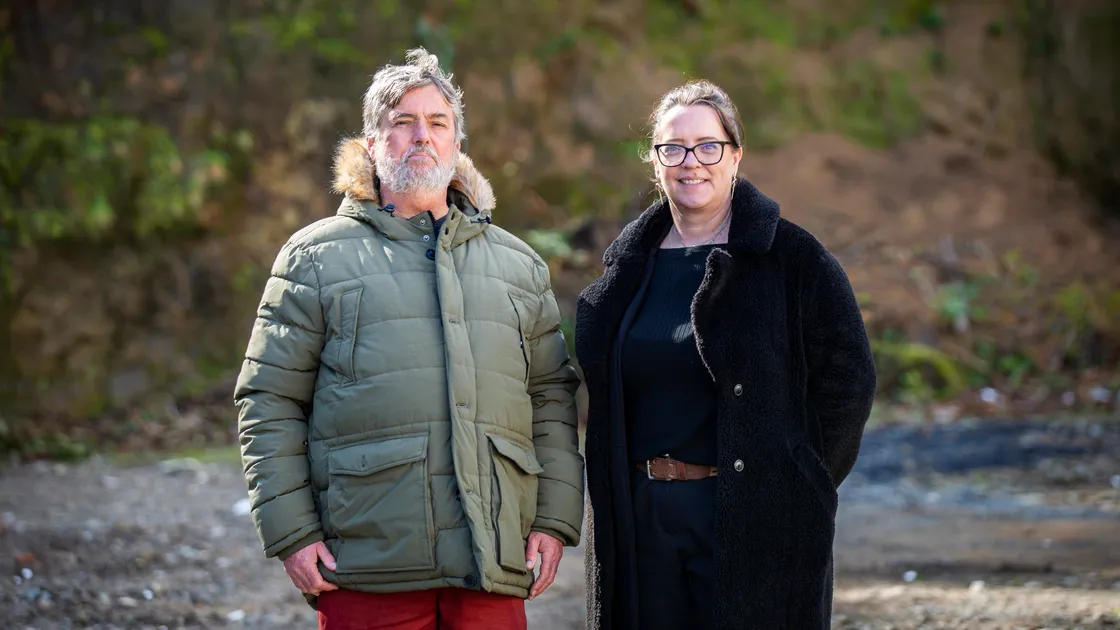
The Guernsey Housing Association intends to continue growing, but points out that it doesn’t have either the capacity, or the mandate, to solve the island’s housing crisis alone. It quickly became obvious that they were quite frustrated with the narrative, among some in the island, that they no longer wanted to expand. They pointed out that two big developments, both soon to get under way, would increase their stock by 139 homes. Thereafter they have a medium-term target to add an average of 25 properties a year to their portfolio.
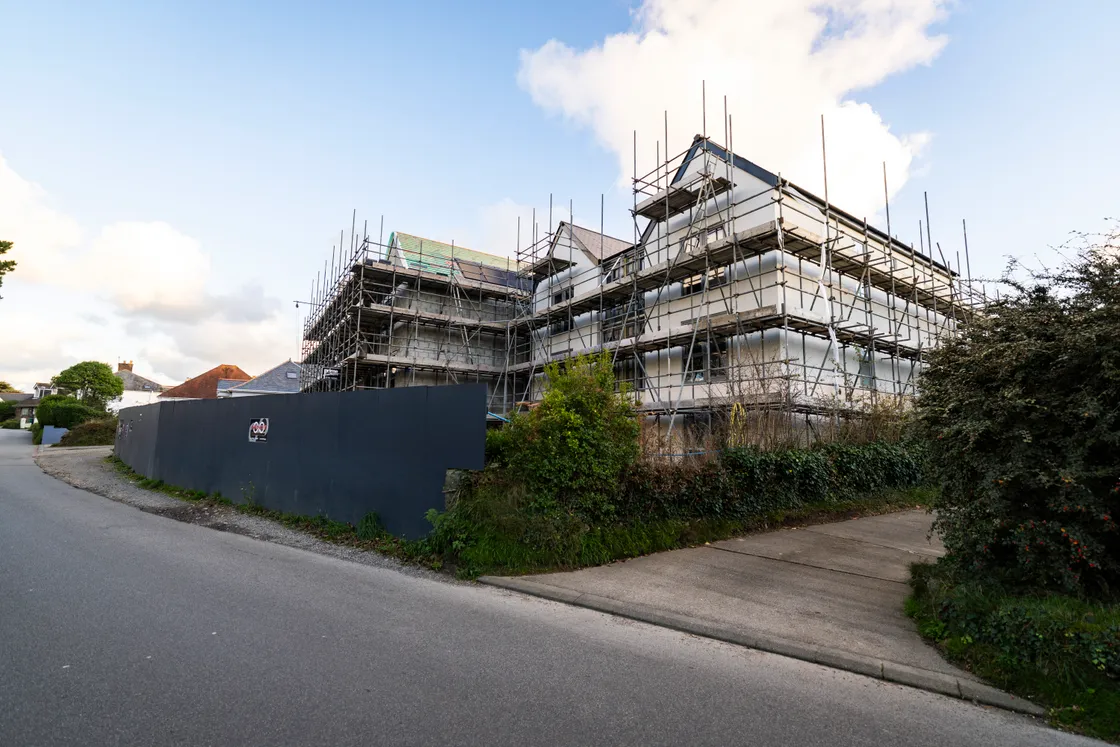
Chief executive Vic Slade says they’ll do more than that if they can. ‘Each year we look again at the business plan, and stress- test to see what we can afford, what’s happening in market conditions, and then see if we can do more.’ But she also points out that, despite the narrative, they had never stopped building. Indeed, they have two smaller new developments coming on stream this year. One at Sandy Hook, which residents moved into this spring, and one in the Oberlands, due for completion this summer.
She accepts that recently they have needed to refocus a lot of their attention on sorting out issues within their existing stock. Vic points out they are primarily a social landlord, rather than a property developer and as such they have a responsibility to their tenants to ensure they reinvest in their current properties and ensure they remain in top condition.
Vic says that, although they will certainly do their bit to increase the supply of housing in the island, they can only be part of the solution to Guernsey’s housing crisis. ‘I think it will be great if the Housing Committee can bring things forward too, because in a housing crisis then it should be all hands to the pump. And if there as many people as possible involved in delivering the right thing, in the right place, at the right price, and its affordable then of course it has our full support.’
It was clear that the GHA gets a bit fed up of people claiming that they have bought land but then show no obvious wish to build on it. Lisa stressed that when it came to their two biggest land ownerships, Kenilworth Vinery and the ‘data park’, they fully respected the States’ decision to consider a comprehensive infrastructure plan for the wider area, before any development goes ahead.
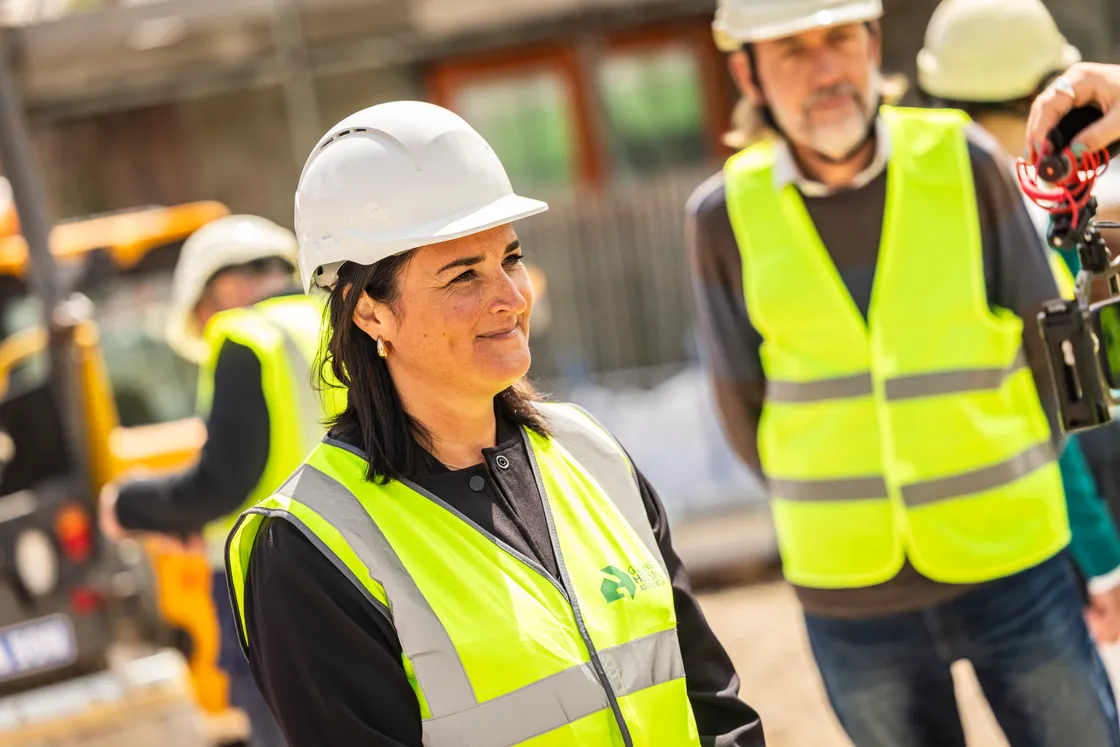
In the meantime, Vic says the housing association is keen to look at any smaller sites which might be made available for affordable housing as a result of the current review of the Island Development Plan. While they don’t rule out buying such sites themselves, they are becoming increasingly keen on joint ventures with private developers. ‘We are talking to one developer who has got a couple of sites in the IDP list to see if they could slot in at the back of our current business plan, because they would probably be the right size and right numbers for us to hit that target.’
This is the latest evolution in their way of operating. In the early days they often re-developed old States housing estates, like the Bouet and Delancey. More recently they tended to buy development sites on the open market. But the project close to completion in the Oberlands represents one of the GHA’s first joint ventures with a private developer, and I got the impression they had now got a taste for this way of operating.
Despite their longer-term desire for steady and sustainable growth, the next few years will involve a significant change of gear and quite rapid expansion. The first of their big new developments to get under way will be the creation of 70 new apartments at the old CI Tyres site in the Charroterie. That development will be known as Court Falaise and completion is expected in 21 months.
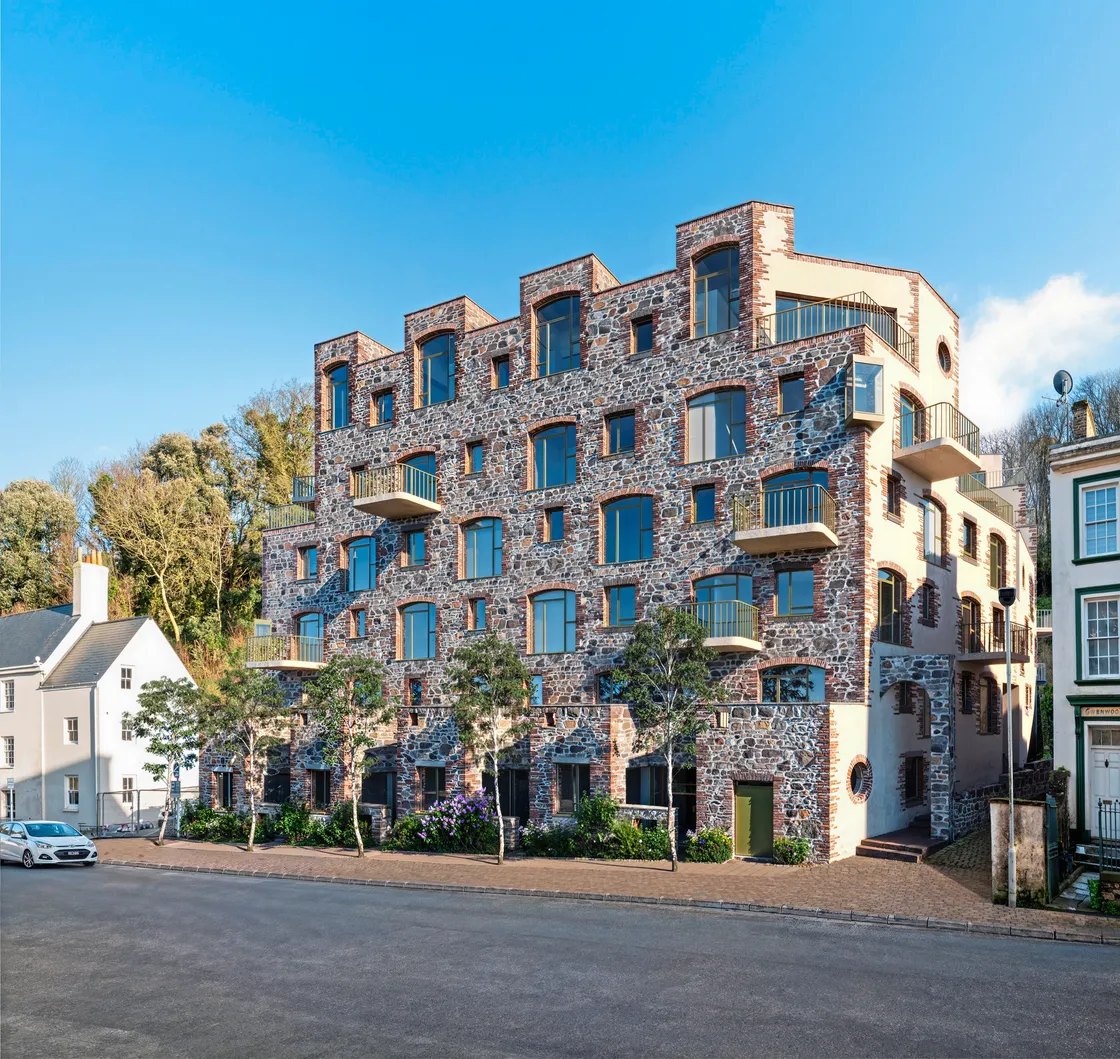
That project, like most GHA developments, has received grant funding from the States. Vic is keen to point out this is not any sort of gift to the GHA. Rather it’s the element of the total finance package which allows the housing association to offer properties at rents far below those in the commercial rental sector. Something which is essential because social housing is specifically aimed at those who cannot afford to either buy or rent privately.
Lisa says what the GHA would really like is some clearer metrics from the States over the level of grant support they are willing to provide. ‘If they’ve got pressure on grant funding, or different things, then let us know what the possible range is, and that will help us model our developments in future, otherwise we are just guessing what the acceptable scenarios are, so I hope they can tell us what their parameters are and we can work to that.’ She says this would allow them to quickly determine which opportunities are worth pursuing, and which they can rapidly discard as not stacking up financially. Not only would that speed up development appraisals but also save limited staff time. It is something they wish to discuss with the Housing Committee and P&R over the weeks ahead.
The second very large project which the GHA will be involved in over the next few years will be the development of land around the Mallard. Although the developer will be local firm Infinity the project will be a joint venture, with the GHA committing to take all 69 affordable homes.
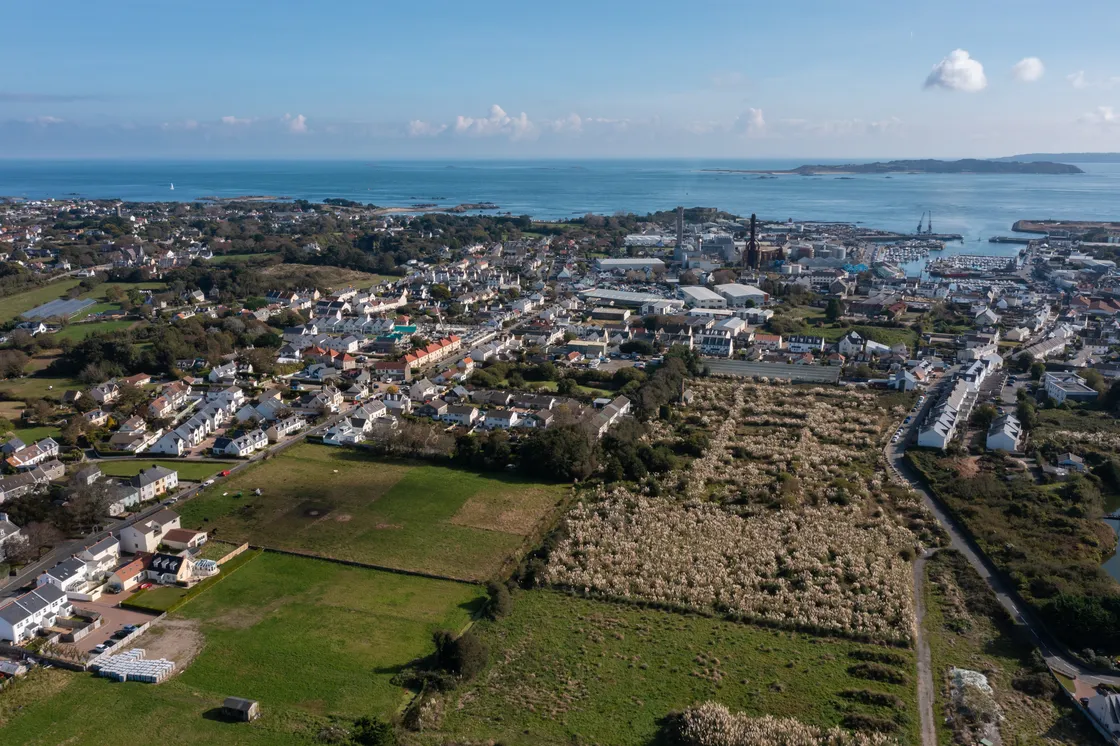
These include a significant number of one-bedroom units for social housing tenants looking to downsize, but there will also be some four- and five-bedroom homes. This is important because, despite Guernsey’s falling birthrate, there are still a number of larger families living in overcrowded conditions.
Unlike Court Falaise the project at the Mallard will be built in phases, with the total project taking two to three years. When completed it will be very much a mixed tenure development. While many of the GHA’s new homes will be used for social rental, others will be allocated to its shared equity scheme. There will also be a significant minority of purely private housing on the site.
The start date for the Mallard project remains uncertain. It already has outline planning permission, but Infinity is current waiting for the detailed plans to be approved. Meanwhile the GHA is in the final stages of working up its proposal to put to the States for grant funding for the scheme. Despite these uncertainties the GHA is hopeful work will be under way on the Forest site by the end of this summer.
When I came away from my interview with Vic and Lisa, two things were very clear to me. The first was that any suggestion that the GHA had lost the appetite for expansion was entirely false. But the second was that any expansion plan would be on their terms, bearing in mind the long-term sustainability of the housing association. They point out that they are not an arm of government, but a wholly independent, not for profit, company. They are keen to work with the States and to help them in tackling Guernsey’s housing crisis. But it has to be on their terms, in ways which comply with their long-term financial plan, and which never puts their existing tenants at risk.