
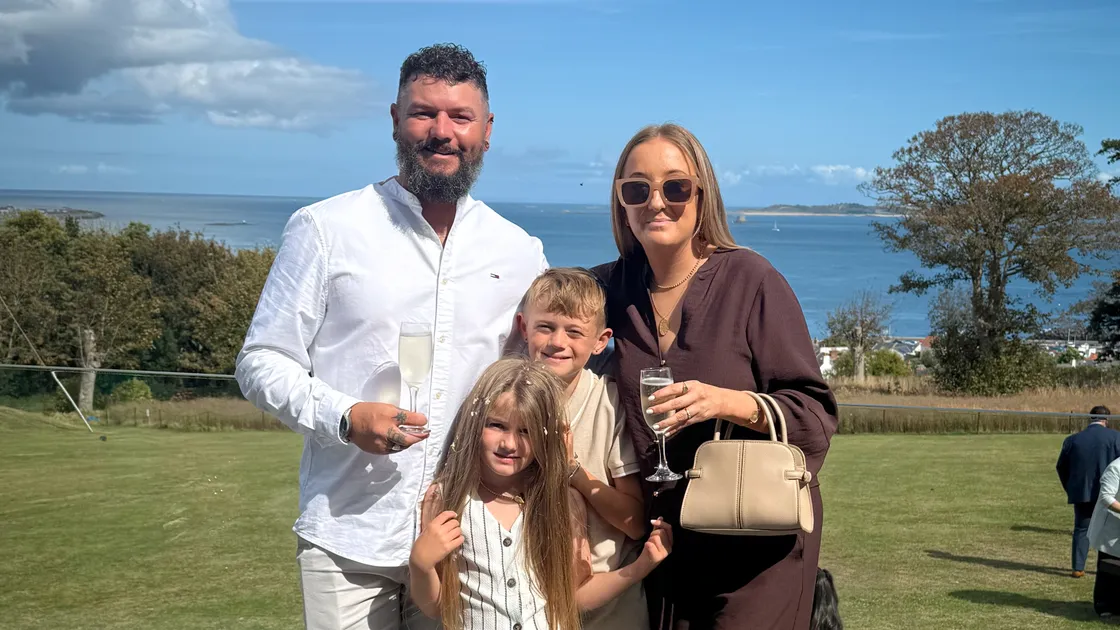
This article first appeared in the spring/summer edition of Inspire magazine, which celebrates inspirational activities, ideas, people, and places in the islands. Read the online edition here.
It started in a way I think a lot of parents will recognise, with small things that didn’t quite add up.
Flossie was constantly thirsty. She was weeing all the time. She’d say her tummy hurt. At one point she told a family member her eyes were going blurry. Looking back, the signs were all there, but at the time you don’t jump straight to something like type 1 diabetes.
I decided to do a urine test at home, and I’ll never forget that moment seeing the ketones and glucose. Something just didn’t feel right, so I took her to the GP.
We were told to sit back in the waiting room while they sorted some paperwork, but that we needed to go straight to the hospital, not A&E, straight to the children’s ward. Then she said something that stopped me in my tracks: ‘If anything happens on the way, call an ambulance straight away.’
At the time, I remember thinking, ‘what do you mean if anything happens? What’s going to happen?’ It all suddenly felt very real, very quickly.
I drove to the hospital in a complete daze.
When we arrived, we were met by a team straight away. They needed to take bloods and to cannulate her, which was incredibly traumatic. She was severely dehydrated, and they needed to get fluids into her urgently, which made everything feel even more intense. The strange thing was, she looked ‘okay’, like she was still herself but she was also so unwell at the same time.
I remember going back into the waiting room with her and seeing people I knew, chatting like it was a normal day. And I just had this overwhelming feeling of this can’t be real. How can everything feel so normal for everyone else when our world had just completely shifted?
It was only then I really looked at her properly. I noticed the weight loss, her flushed cheeks, the slightly sweaty look, and then the fruity smell on her breath, all the things that now make sense, but didn’t fully register before.
From that point on, everything happened so quickly.
We were introduced to diabetic nurses and dieticians, and suddenly we were learning how to keep our child alive with insulin. We started injections straight away, along with constant finger pricks to check her blood sugars. It was overwhelming, but you don’t get a choice, you just learn, because you have to.
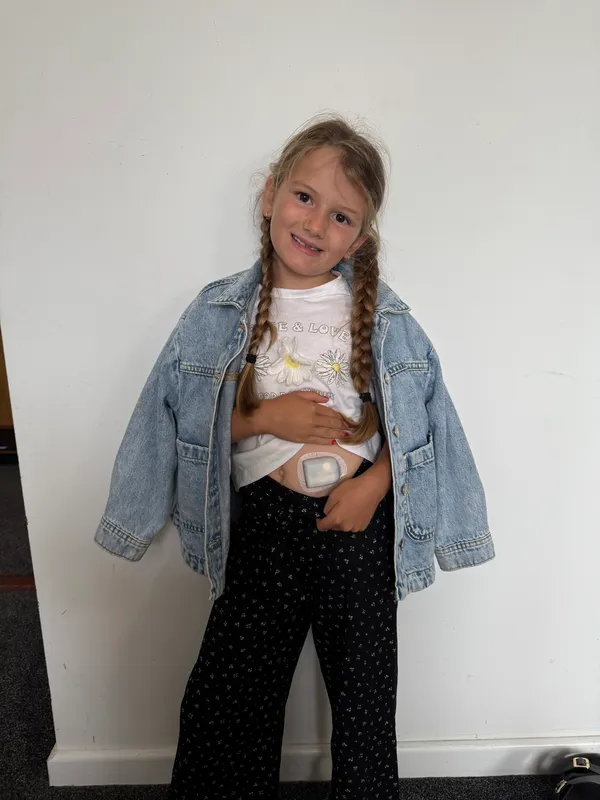
We did injections for around six months before moving onto an insulin pump, which helped, but the reality is, type 1 diabetes never switches off.
There are still sleepless nights. There’s constant thinking, planning, weighing food, counting carbs, calculating insulin. It’s a full-time mental load that never really leaves you.
And for me, working in a medical setting, that mental load can feel even heavier.
I know what uncontrolled diabetes can lead to. I’ve seen what it can do, the impact on the kidneys, the heart, the risk of losing eyesight, even limbs. And as a mum, that sits deep in my soul in a way I can’t really explain. It’s a constant undercurrent of fear that never fully goes away.
For Flossie, there’s also been trauma around appointments, especially her HbA1c checks every three months. It’s not just the physical side it’s emotional too, and that’s something people don’t always see.
School has been another journey in itself. It’s taken time for everyone to understand what type 1 diabetes really involves and how to manage it safely day to day. There are some incredible people in her corner there, and we are so grateful for that. It’s a big responsibility for them, and we truly appreciate it but like us, it’s been a learning curve for everyone involved.
There are also parts of childhood that now look a little different. Most things she can still do, especially when we’re there, but things like sleepovers or being cared for by others aren’t as simple. The reality is, you have to really know what you’re doing, and at her age she’s just not able to manage it all independently yet. That loss of normality can be hard.
Scott struggled too, but in a different way. He kept a lot of it inside, trying to carry it quietly.
Freddie, on the other hand, has been incredible. He’s shown a level of care and understanding beyond his years. He looks out for his sister, supports her, and would defend her endlessly. Watching their bond through all of this has been one of the most powerful parts of our journey.
As a family, we’ve been forced to grow in ways we never expected.
Flossie lives with something that demands so much from her every single day, and yet she continues to show strength and resilience that makes us so proud. She is so much more than her diagnosis.
Type 1 diabetes changed our lives overnight, but it doesn’t define her. It’s something we carry together, navigate together, and face one day at a time.
And because of her, we’ve found a new kind of purpose in all of this.
If there’s one thing I would want people to take from our story, it’s this: know the signs.
The four Ts:
Toilet – going to the toilet a lot (including bedwetting if that’s unusual)
Thirsty – constantly thirsty, drinking loads
Tired – very low energy, more tired than usual
Thinner – unexplained weight loss
Three peaks. Hundreds of miles. One very important reason
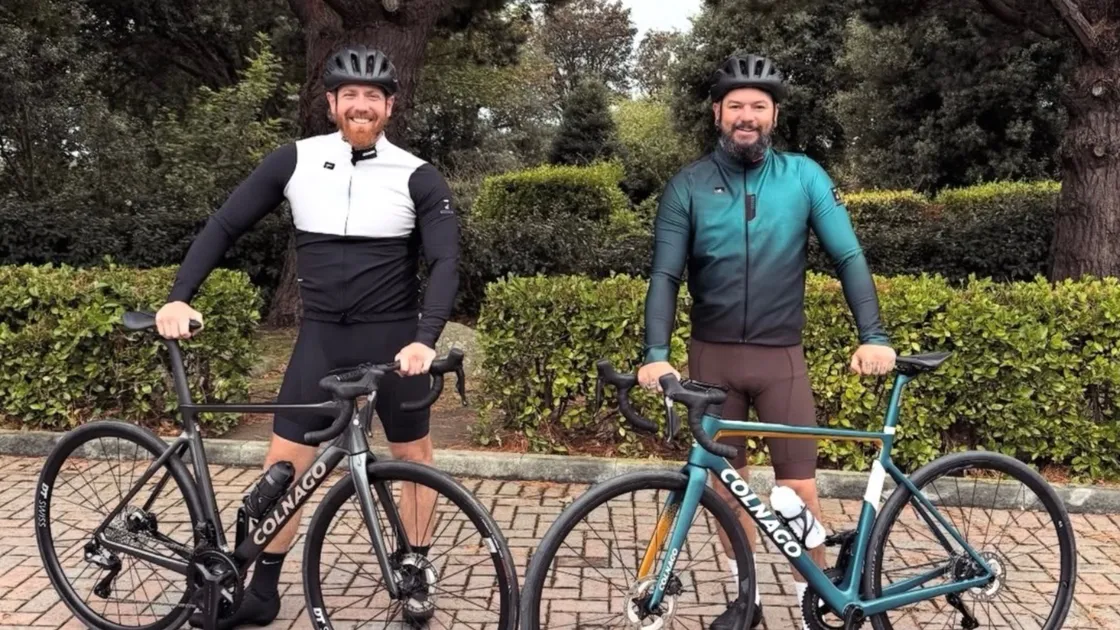
Scott and Kelly’s brother Blane are taking on a huge challenge, pushing themselves physically and mentally to raise money and awareness for type 1 diabetes: The Three Peaks – climbing Snowden, Scafell Pike and Ben Nevis. In between, they will cycle, eventually finishing at John o’Groats.
Blane’s partner, Corrie, will also climb the Three Peaks, while Kelly and Freddie will join them to climb Ben Nevis. Then, both Freddie and Flossie will cycle the last mile of the challenge with their dad and uncle.
It’s something that means more than words can really explain, says Kelly, because it’s not just a challenge, it’s personal. It’s for Flossie, and for every other family living this life every single day.
‘We are incredibly grateful to Wheels & Co for sponsoring this challenge and helping kit the boys out for the road ahead. From equipment to expertise, their support means Scott and Blane can take on the cycling miles properly prepared. It’s a reminder that this isn’t just our family’s fight, it’s a community standing behind us.’
Follow the Peaks and Pedals story on Instagram and Kelly Hamblin here.

You need to be logged in to comment.