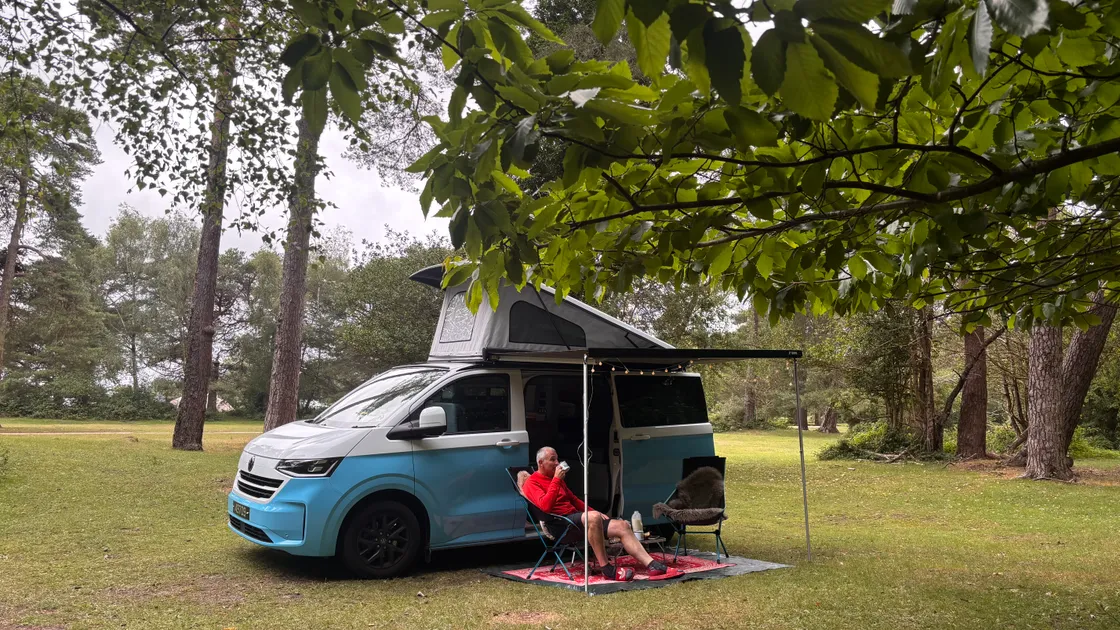
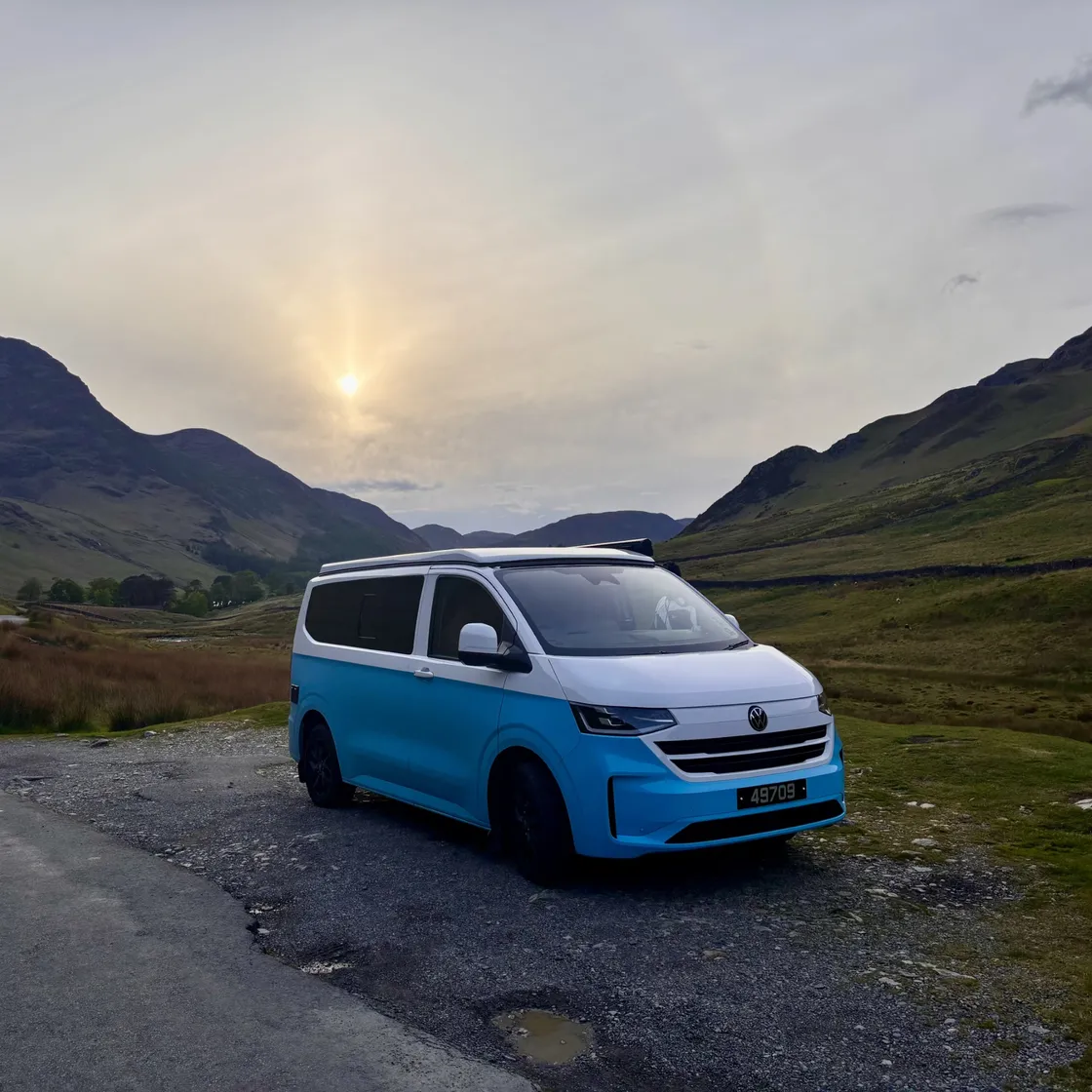
For my personal mid-life crisis, I’d not chosen a Harley Davidson or a hair transplant, but to buy a campervan.
After investing in a VW my wife Kate and I, along with our dog, Stick, set out on a month-long trip to the UK with various destinations planned to take in family and friends.
We weren’t campervan novices, having hired them before for festivals and family holidays, but this was the first time we had ever owned one.
We were realistic enough to know there would be bumps along the road but were driven by thoughts of escaping to some of England’s most picturesque places and quiet star-filled nights with a glass of wine or two along the way.
The plan was to do about five nights in the van, broken up with two or three visiting friends or staying at an Airbnb.
We took the slow ferry to Portsmouth with Brittany Ferries, and – afraid of cooking in a van for a month – I indulged in both a bacon sarnie and fish and chips.
Over the last few years I’ve started taking the slow ferry by choice, due to their reliability and comfort (and the wi-fi is excellent).
There is something very different about time spent on a ferry compared to the limbo of a departure lounge, the chance to relax but with the knowledge you’re are still moving steadfastly to your destination.
Our first camp site was a quick stop just off the M6 on our way towards the Lake District. A small isolated spot in which we were the only guests.
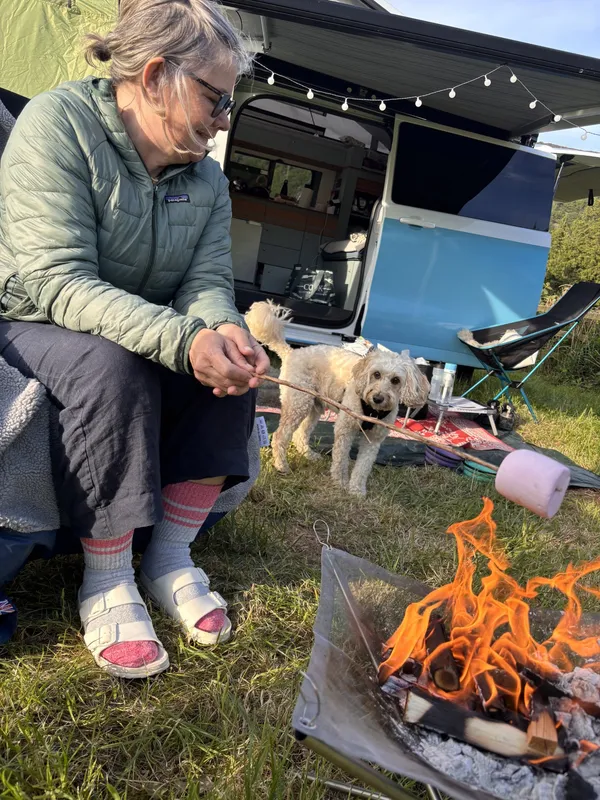
Under the glimmer of our own fairy lights we enjoyed a gin and tonic and roasted a Camembert on our foldable fire pit.
It was everything we wanted, despite being 200 yards from the main railway to Birmingham, and, after a solid night’s sleep, we looked forward to the month ahead.
However the success of any holiday, as every traveller knows, is largely part-dependent on the weather. Nowhere is this more true than camping, even within four metal walls.
May was not kind to us. Everyone will look back and remember the record-breaking temperatures around the bank holiday, but the month started damp and unseasonably cold.
In fact, after our first night in the van it rained for 10 days.
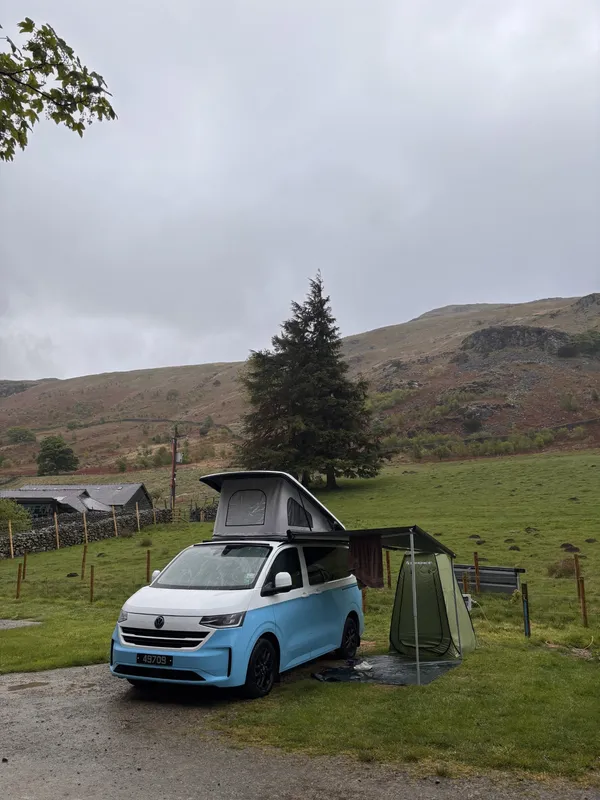
Although we got respites from the rain for long walks it seemed that every morning and evening was drearily wet and cold.
In our entire month camping we only went to bed and woke up under dry skies twice.
The other random factor was the dog – he settled into camping life surprisingly well, enjoying the long afternoon walks and enthusiastically inspecting each new surroundings – but a wet dog is just another complicating factor.
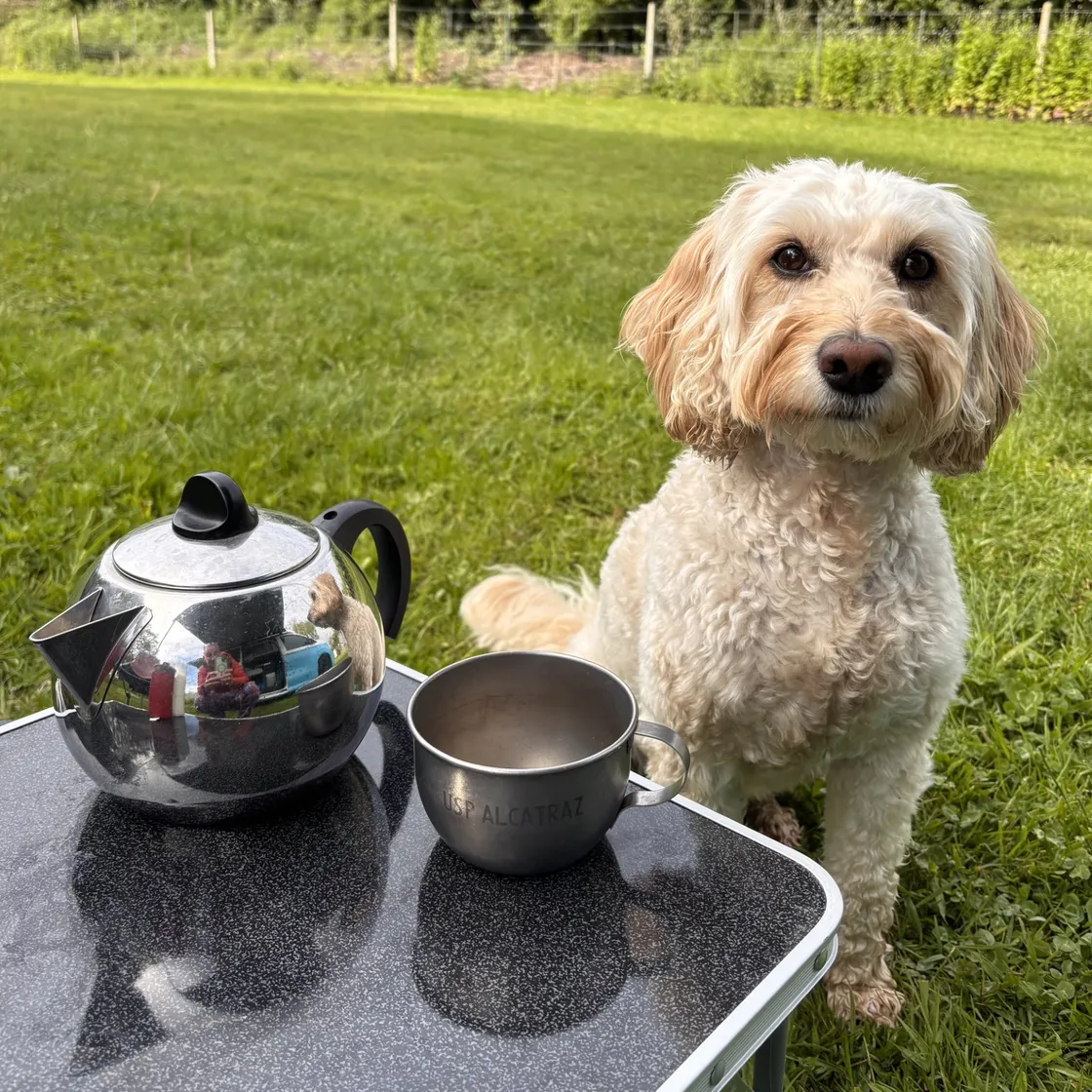
Despite the weather we were enjoying ourselves. We were surrounded by beautiful countryside and wildlife, and there can be few more beautiful sounds than the song of a whistling kettle on a gas stove first thing in the morning.
However, things really went wrong on the fourth day.
The gas hob and adjacent sink in the van are covered by glass lids.
Apparently, these are not totally heat resistant. I found this out after ours exploded into a million pieces just as I put a pot of coffee on it.
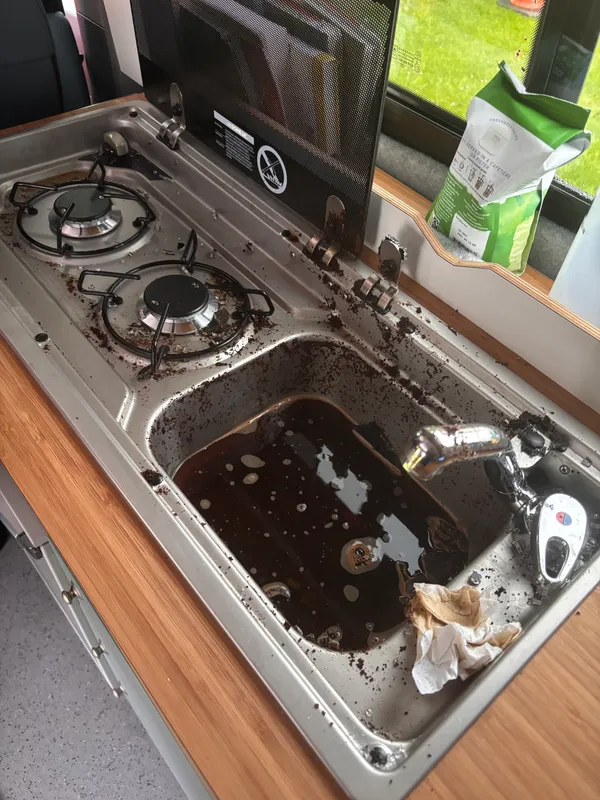
After the initial clean-up, I wisely went to turn off the gas, and inadvertently nudged the shower control on, spraying the inside of the van with water from a shower hose I’d left under the back seat.
To make matters worse I didn’t know that this was the reason for the flooding and we spent the afternoon at a garage trying to work out why the water tank kept emptying and puddling on the van floor.
Like houses, campervans need maintenance, they have plumbing and electrics as well as engines that can all malfunction or suffer mishaps due to misuse by clumsy and inexperienced owners. In that way it’s different from a normal holiday as many of your responsibilities come with you.
The first question almost everyone asks about our van, though, is does it have a toilet?
And the answer is, yes, although we have never actually used it. It’s there for ‘emergency use’ only.
Camp sites and cafes all have toilets and, of course, there is the great outdoors.
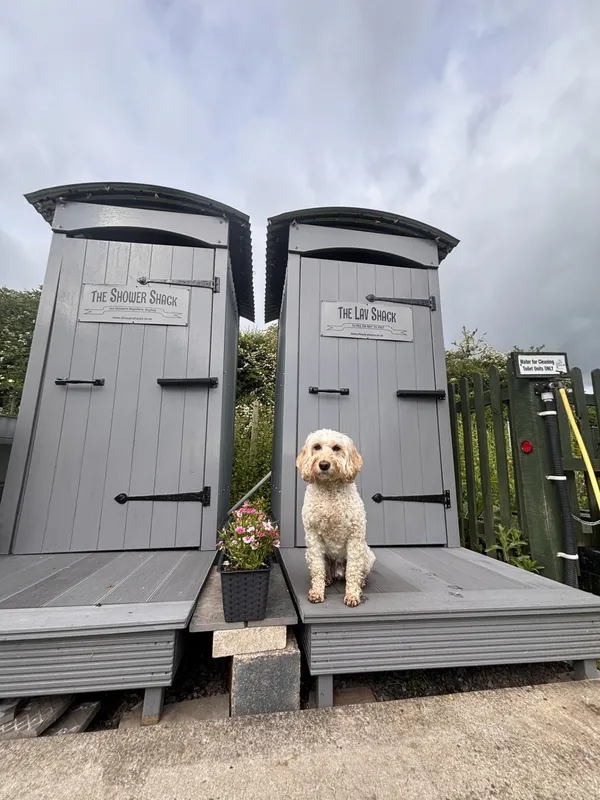
If I had my time again I probably wouldn’t have bothered buying one and would have used the space for storing something more useful – like an inflatable rhinoceros.
Overnight sites tend to come in three types, the farmer’s field, the hyper-professional caravan club sites, and the roadside wild camp.
Our favourites were the smaller more ad-hoc sites with limited facilities – as long as there was a toilet and a rudimentary shower we were happy.
The larger sites we found a bit formal and too much like living in a car park, although it was good to be near a washing machine.
We had planned a couple of nights completely off-grid but changed plans due to the weather.
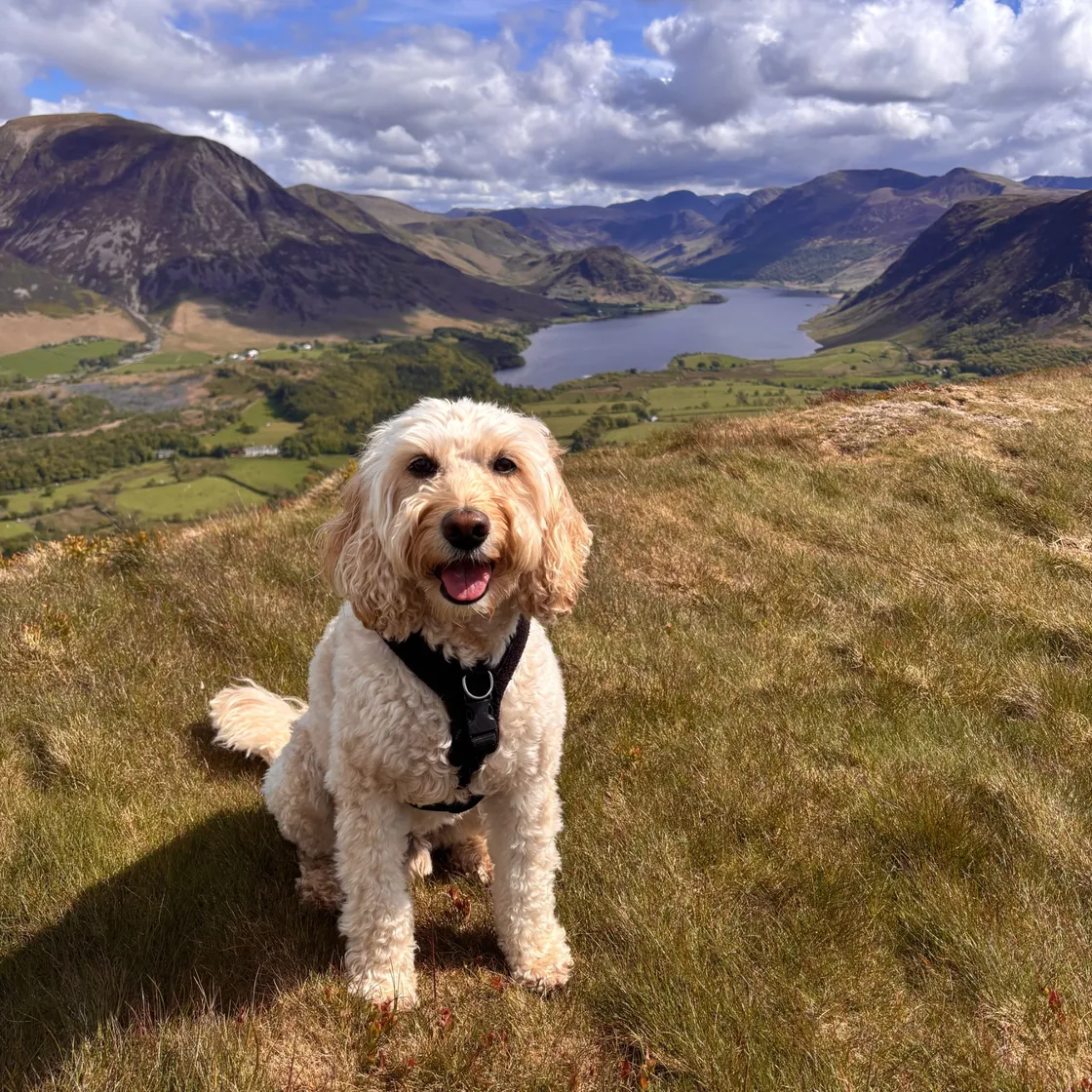
Reading the article back, it all sounds a bit bleak, but in truth we had a wonderful time.
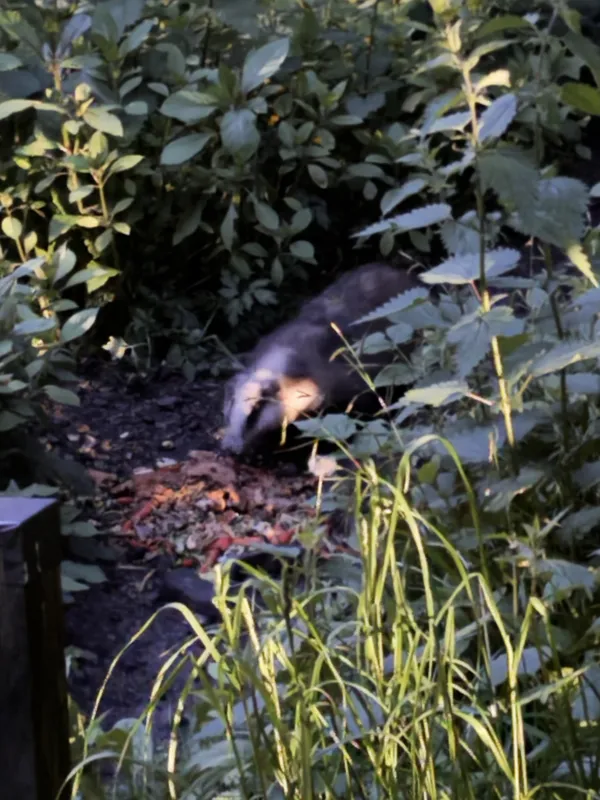
It’s all about the adventure. We were woken by cuckoos calling and the sound of drilling woodpeckers, saw badgers foraging, and a lamb born while we ate a bowl of pasta at the side of the road.
Everywhere we camped seemed to come with a friendly, inquisitive robin, even the more traditional campsites were replete with tame rabbits and amiable ducks.
I didn’t watch a moment of television, I read three books and did far less doom-scrolling.
It’s been a good lesson in not always planning too far ahead. Instead we learnt to relax, go with the flow and the weather forecast – something made much easier when your holiday home has wheels.
Do I regret buying the van? No. And the ferry’s already booked for the European leg in August.
Top five campervan tips
Be flexible – We made the mistake of booking too far ahead and so couldn’t react when the weather forecast changed. Every time the sun shone we were in an Airbnb, friend’s house or hotel. Don’t book too early if you can avoid it.
Be organised – There’s a limited amount of space in the van and if you’re trying to find your waterproof trousers in a downpour and the wind is trying to remove your awning you need to know exactly where they are. Packing cubes are a great idea, they allow you to find your stuff easily and can fit into the tightest spaces rather than one big bag.
Be foldable – With limited room it’s best to invest in equipment that takes up minimal space. Almost everything comes in a foldable form, from micro camping chairs to a collapsible watering can for filling up the water tank, and even a pop-up dog bowl.
Bedsocks – it can get cold as well as too hot. We’d been to the lakes many times but never without a house to hide in when the weather turned bad. It may sound obvious but make sure you have the appropriate clothing. My first purchase of this trip was a pair of thick socks to wear at night. As the Norwegian proverb goes ‘Det finnes ikke darlig vær, bare darlige klær!’ – ‘There is no such thing as bad weather, only bad clothing!’
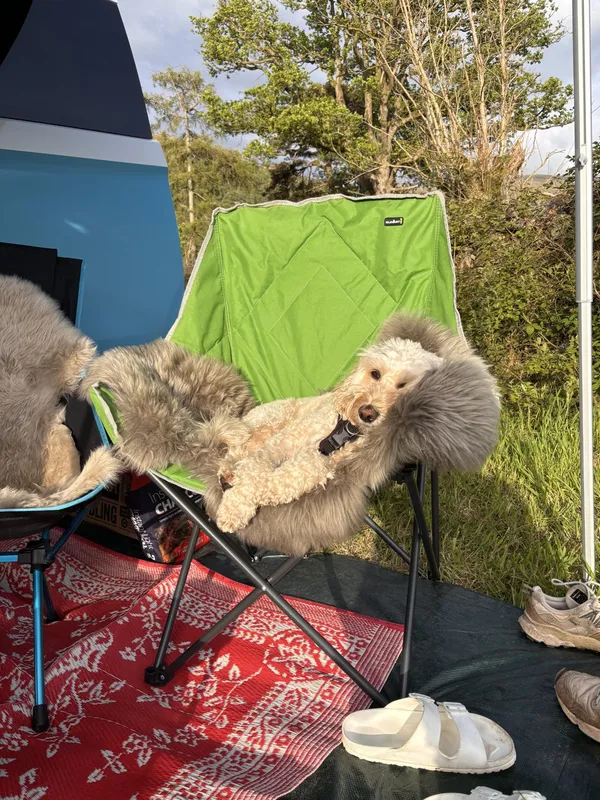
We also bought two small sheepskin rugs to put in our chairs or on the van floor for that extra bit of comfort.
Peg it – You can’t have enough pegs, bungees and straps. Something always needs tying up or tying down, from makeshift washing lines to fairy lights, the humble peg is the campervanner’s friend.