


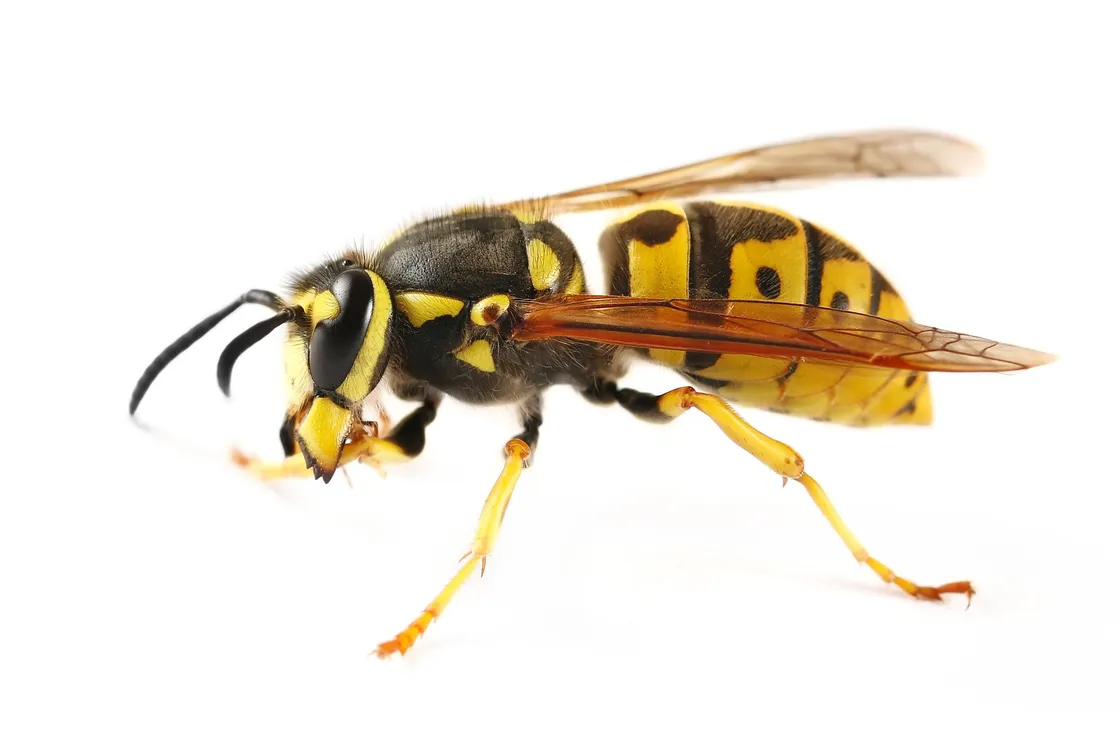
As summer arrives, so do bees and wasps. These insects belong to an order called hymenoptera, a large family of insects that includes honeybees, bumblebees, wasps, hornets and ants. Although most stings cause nothing more than a day or so of pain and swelling, for a small number of people the venom can trigger a potentially life-threatening allergic reaction.
The good news is that severe venom allergy is uncommon. Most people who are stung experience only a normal reaction, and even those with a true venom allergy now have excellent treatments available. The key is recognising the difference between an expected reaction and one that needs urgent medical attention and further investigation.
Local reaction or allergic reaction?
Almost everyone who is stung will develop a local reaction. This is the body’s normal response to the venom and typically causes pain, redness, warmth and swelling around the sting site. The swelling may become quite dramatic, particularly if the sting is on the face, hand or foot, and can continue to increase over the first 24 to 48 hours before gradually settling over several days. Although these ‘large local reactions’ can be uncomfortable, they are not usually dangerous and do not necessarily mean you have developed a venom allergy.
A systemic allergic reaction is very different and symptoms are not confined to the sting site. The immune system overreacts and releases chemicals throughout the body, causing widespread itching, hives, flushing of the skin, swelling away from the sting site, abdominal pain or vomiting. In more severe cases, symptoms affect the airway, breathing or circulation, causing throat tightness, wheezing, difficulty swallowing, dizziness, collapse or loss of consciousness. This is known as anaphylaxis and is a medical emergency.
An important point is that people do not become allergic to bee or wasp venom after the very first sting they ever receive. The immune system must be exposed to the venom before it can develop an allergy, a process known as sensitisation. This means that someone who develops anaphylaxis has almost certainly been stung at some point previously, even if that earlier sting caused little more than temporary discomfort.
First aid after a sting
If you are stung by a honeybee, remove the sting as quickly as possible because it continues to release venom for a short time after the sting occurs. The easiest method is to scrape it away sideways with a fingernail or the edge of a bank card. Try not to squeeze the venom sac with tweezers or your fingers, as this may release more venom. Wasps, in contrast, do not leave their sting behind and can sting repeatedly.
Wash the area with soap and water and apply a cold compress or wrapped ice pack for 10 to 20 minutes to reduce pain and swelling. If the sting is on an arm or leg, elevating the limb can also help. Simple painkillers such as paracetamol or ibuprofen may ease discomfort, while antihistamines can be helpful if itching develops.
Most stings can be safely managed at home. However, if symptoms spread beyond the sting site, particularly if you develop difficulty breathing, throat swelling, dizziness, widespread hives or feel faint, seek emergency medical help immediately.
Who is at greater risk?
For most of us, bee and wasp stings are relatively uncommon events. On average, people are stung only once every 15 to 20 years. However, some occupations and hobbies involve repeated exposure to stinging insects, increasing both the chance of being stung and, over time, the likelihood of becoming sensitised to venom.
Beekeepers are perhaps the best-known example, but gardeners, farmers, tree surgeons, grounds maintenance workers, landscapers and others who spend long periods outdoors are also at greater risk.
There is an unfortunate paradox here. The people whose work brings them into regular contact with bees and wasps are also those most likely to develop a venom allergy, affecting their ability to continue their occupation safely. For these individuals, obtaining the correct diagnosis and having a personalised management plan is particularly important.
Anyone who has experienced a systemic allergic reaction after a bee or wasp sting should be referred to an allergy specialist. Diagnosis involves taking a detailed clinical history alongside blood tests to confirm the allergy and determine whether the allergy is to bee venom, wasp venom or occasionally both. This information guides future treatment and helps determine whether venom immunotherapy is appropriate. In contrast, people who experience only large local reactions generally do not require allergy testing.
Living with a venom allergy
If you have been diagnosed with a venom allergy, preparation is key.
Many patients will be prescribed adrenaline (epinephrine) autoinjectors and should always carry two devices with them. Family members, friends and colleagues should also know where they are kept and how to use them.
Anyone who develops symptoms affecting their breathing, throat or circulation after a sting should use their adrenaline autoinjector immediately and call 999. Adrenaline is the first-line treatment for anaphylaxis because it rapidly opens the airways, supports blood pressure and reduces the allergic response. If symptoms have not improved after five minutes and a second injector is available, a second dose should be given while waiting for the ambulance. Even if symptoms improve after adrenaline, assessment in hospital is still essential.
Avoidance is also sensible. Wear shoes when walking on grass, avoid heavily scented perfumes when outdoors, keep food and sugary drinks covered during picnics and barbecues, and always check inside drink cans or bottles before taking a sip. If a bee or wasp approaches, remain calm and move away slowly rather than swatting at it, which is more likely to provoke a sting.
Venom immunotherapy – treating the cause
Unlike many allergies, venom allergy can often be treated rather than simply managed.
Venom immunotherapy (VIT), sometimes called desensitisation, involves giving carefully controlled injections of tiny amounts of purified bee or wasp venom over several years. The aim is to retrain the immune system so that it no longer reacts severely if another sting occurs. Treatment is delivered in specialist allergy centres. After an initial build-up phase of gradually increasing doses, patients move on to maintenance injections every few weeks, usually for around three years.
The results are remarkable. Venom immunotherapy prevents future severe reactions in around 95% of patients with wasp venom allergy and 80-90% of those with bee venom allergy, making it one of the most successful treatments in allergy medicine. For many patients, particularly those whose occupation puts them at ongoing risk of stings, it can be genuinely life changing.
Seeking help – the allergy clinic
The reassuring message here is that while bee and wasp stings are a normal part of summer, severe allergic reactions remain rare. If you have experienced symptoms affecting more than just the sting site, or if repeated occupational exposure puts you at increased risk, speak to your GP about referral to an allergy clinic. Assessment can provide an accurate diagnosis and a personalised plan, allowing you to enjoy the outdoors with greater confidence and peace of mind.








You need to be logged in to comment.