

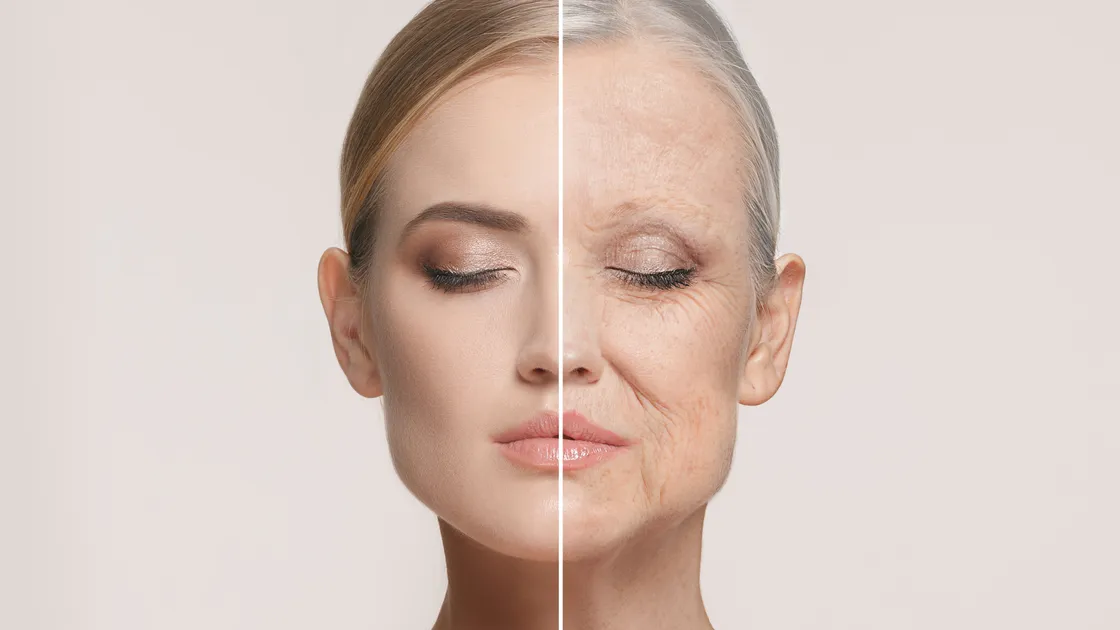
When I recently visited the Ashmolean Museum in Oxford, my attention was grabbed by a hair comb from Ancient Rome which had been intricately carved from bone to depict a couple drinking from the fountain of youth. It caused me to pause and consider how many conversations I have with patients around the effects of ageing. Often these revolve around gently explaining how their maladies are linked to some of the inevitable consequences of getting older, while trying to avoid sounding dismissive or unsympathetic. These usually include hearing loss, visual problems such as cataracts, back and neck pain, joint pains and stiffness due to osteoarthritis, loss of energy and stamina, poor sleep or physical weakness.
Not all age-related problems are inevitable, however ageing can be an important risk factor in how these conditions develop. Examples include osteoarthritis, which results in joint pain and stiffness due to loss of cartilage in joints, chronic obstructive pulmonary disease (COPD) which is linked to smoking in earlier years and causes wheezing and increased risk of chest infections. Diabetes also becomes more common with ageing, as does depression and dementia.
The underlying process of ageing begins with changes at microscopic levels affecting molecules, the genetic material of DNA and chromosomes, and ultimately our cells. These changes result in cellular processes slowing down, becoming less efficient and more prone to damage. Cells lose the ability to divide to recover or regenerate, which results in damage to tissues and organs from which they are unable to recover. This is all linked to low-grade inflammation which underlies a lot of disease processes.
All a bit depressing? It can be. Thousands of years later, the search for the fountain of youth continues. The United Nations declared 2021-2030 the decade of healthy ageing, which has triggered collaboration among governments, international agencies, professionals, academics, media and private businesses to work collectively to achieve a world in which ageing is best supported to promote ageing with the best health possible. Unless there becomes a miraculous breakthrough, ageing remains unavoidable, however how we age is very dependent on health, and how society views older people and makes accommodations which allow them to remain connected and engaged in the world around them.
So, the ageing process and how this impacts on individuals relates not just to physical and mental health, but also social factors. In Japan, for example, where 30% of the population are over 60 years old, age is respected and valued, with the consequence that older people remain included in society and are seen as having a contribution to make. Across the world, everyone is living longer. It is estimated by experts that by 2030 one in six of the global population will be aged 60 or over, and by 2050 this age group will have doubled to a total of 2.1 billion.
As ageing progresses, a range of complex interactions can result in so-called ‘geriatric syndromes’ which include frailty, urinary incontinence, falls, delirium and pressure ulcers. We know that we lose muscle mass as we age, and this is a common thread in many of these complex processes.
Much of the focus is nowadays on healthy ageing. Longer life can be seen as an opportunity to further education, new careers, pursuing our hobbies and passions with new energy. While genetic factors are important, and indeed our environment as foetuses in the womb and as young infants can influence how we age toward the end of our lives.
The good news is that we can influence how we age. Traditionally seen as a time of inevitable decline and dependence, healthy behaviours are hugely important in maintaining independence and happiness, altering the perspective on getting older. Avoiding weight gain, balanced diets, physical activity, and avoiding smoking and alcohol are key. Engaging with people around us is also important, particularly as people lose family and friends through bereavement, and social and mental stimulation help maintain healthy active minds. Increasing evidence is supporting physical activity with a combination of aerobic exercise such as walking, swimming, cycling or running, balanced with resistance exercise to maintain muscle mass and strength. This combination not only helps people live longer but allows them to avoid losing their independence as they age.
We should also remember that there are many modern interventions which help. Technology has improved communication, through digital hearing aids, cataract surgery, other surgical techniques and doctors are able to more early diagnosis problems and prescribe treatments which can help reduce the impact of diseases. This may be through drugs, physiotherapy or psychological measures such as counselling or psychotherapy. Within our community in Guernsey we have U3A (University of the Third Age) or Men’s Sheds as examples of promoting fulfilling active lives which provide interaction with others as we live longer.
There is a balance between accepting the ‘ravages of age’ against suffering in silence, with problems which may be age-related but can be managed more effectively with help. Older people may not necessarily ‘rage against the dying of the light’, as Dylan Thomas implored of his father, but you should neither take it lying down. As GPs we are here to help by listening, understanding and offering advice or treatments which enable people to stay as well as possible for as long as possible.
Do not be afraid to approach your doctor for advice, as they will be able to offer something. Perhaps not the fountain of youth, but valuable insights and treatment to allow you to grow old gracefully.

You need to be logged in to comment.