An Irish language film which highlights the early life of two well-known Guernsey residents is receiving rave reviews as it does the circuit of film festivals, before going on general release next month.
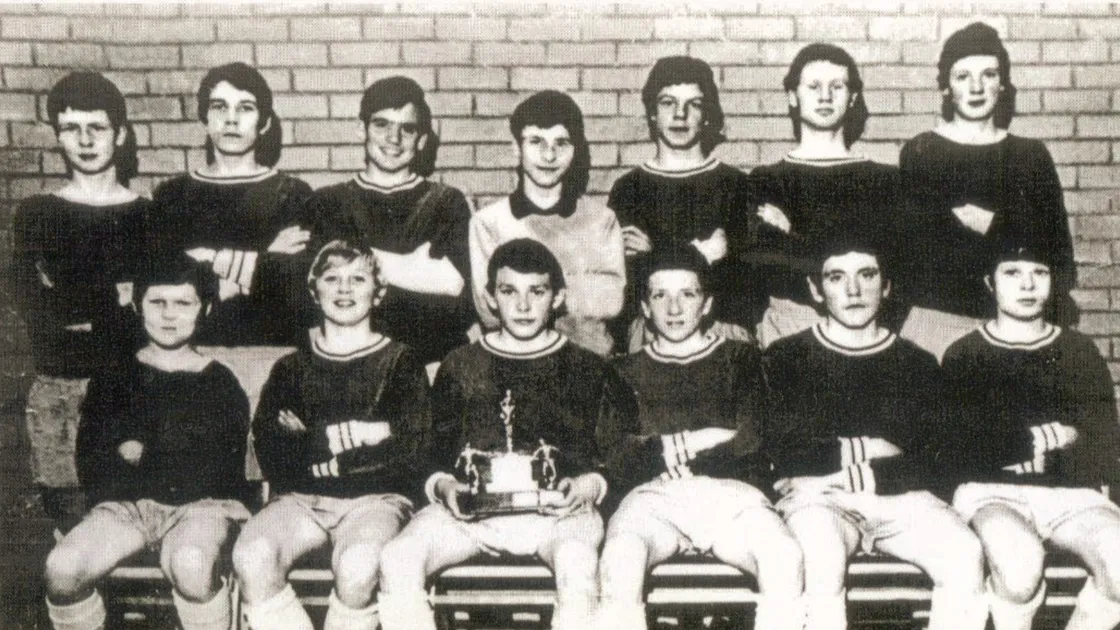
Realt na Mara (Star of the Sea), tells the story of a mixed religion boys’ football club in Rathcoole, on the outskirts of Belfast, in the early days of the Troubles.
The club, which was run by the inspirational Dr Liam Conlon, contained lads from both sides of the sectarian divide. Among the famous names lining up for the club were Bobby Sands, who ended up joining the IRA after suffering anti-Catholic harassment in his workplace, and died after a hunger strike while a prisoner in the Maze Prison. On the other side of the divide were Terry Nicholl and Michael Acheson, who ended up joining the Protestant paramilitary the UVF.
But not all of their teammates ended up being radicalised, and many from both communities have remained lifelong friends. Among them are two men who are well known in their adopted island home.
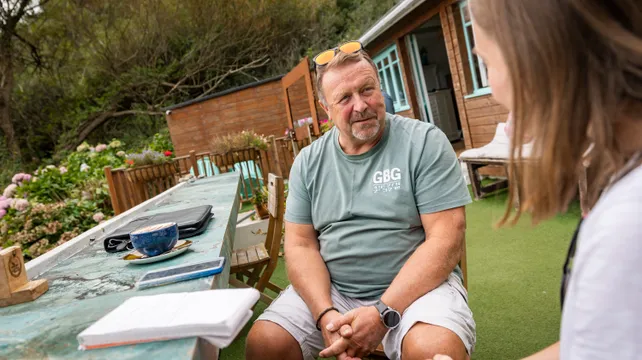
Shortly after the film got its first outing at the Galway Film Festival I met up with Dessie Black and Willie Caldwell to talk about the old days – and their life journeys from Belfast to the Bailiwick.
The two men are from different communities in Northern Ireland but have remained good friends since they first signed up for Star of the Sea. As Willie explained, it was a club with modest beginnings.
‘When I first joined the club there was only a handful of young people in it and our clubhouse was a little wooden hut. We were 12 years old at the time, and they had an under-14 side, so we started playing for them. Later on, as the club grew, Liam Conlon raised the money for a new building – I remember the opening – and he got the OBE.’
Dessie joined the club shortly afterwards but people who know him from the local football scene back in the day might be surprised at the position he played – in goal.
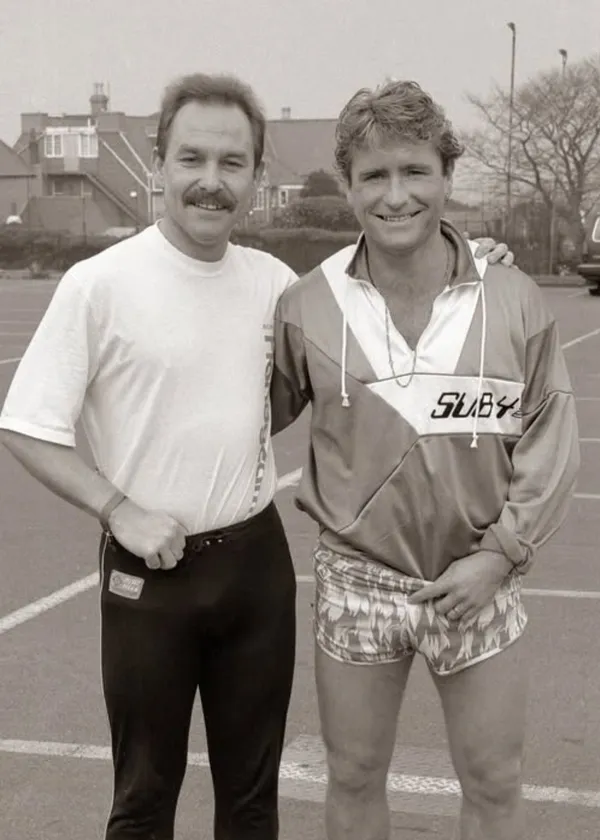
I asked him how he ended up as the goalie.
‘I didn’t want to play in goals, I said I wanted to play out, but after four or five games the lads just moaned and said “Get him back in goals.” It was a pity really.’
I asked Dessie if that was because he was great between the sticks, or not so impressive outfield. It was the only time during our conversation where the Catholic and the Protestant didn’t quite see eye to eye.
Dessie: ‘Well the lads didn’t think I was much good playing out, but I was.’
Willie: ‘You weren’t that good playing out.’
Dessie: ‘Yes I was, remember I scored quite a few goals.’
One thing I hadn’t realised was that Dessie had been very close friends with Bobby Sands, and had been in the same class as him in both primary and secondary school.
‘Bobby was a top man, you know, he wasn’t a trouble-maker, he was a lovely guy. As well as football, Bobby and I did a lot of running. We were the only two Catholics in Willowfield Harriers, but there was never any hassle, we were all just runners, and they had some guys who went to the Olympics.’
But Dessie was equally warm about Michael Acheson, another of his teammates who ended as a notorious member of the UVF. ‘Michael’s mum and dad lived near me and he was the last person in the world you’d expect to get involved in violence. His two sisters worked as staff nurses at the Royal Victoria Hospital, they were a lovely family.
‘The Troubles just changed people.’
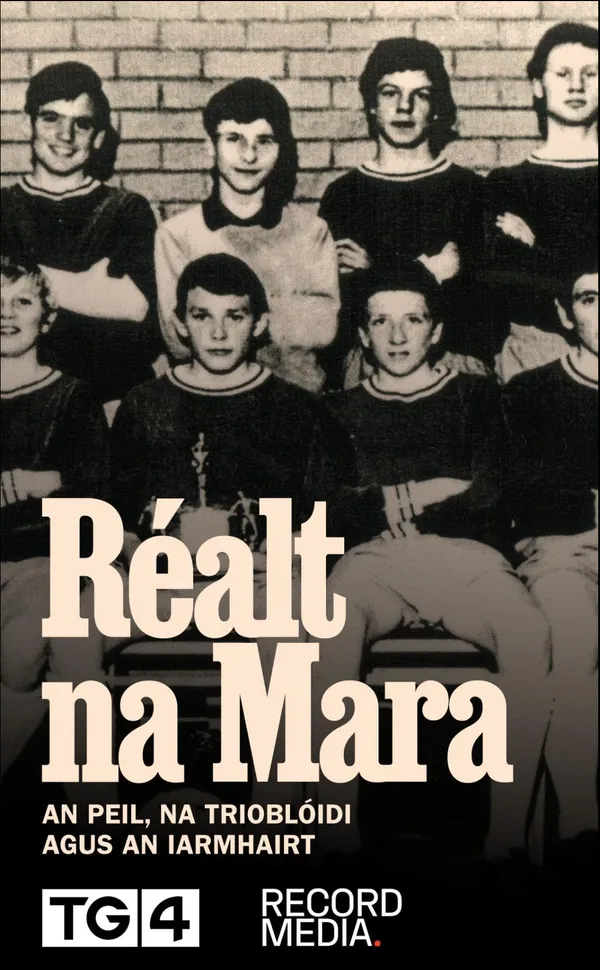
The new film, Realt na Mara, isn’t the first time the pioneering multi-faith club has featured on screen and stage. There has been an English language BBC documentary called Old Scores, made more than 40 years ago, and featuring Dessie and Willie, and a musical called The Beautiful Game, which was a collaboration between Ben Elton and Andrew Lloyd Webber, which saw performances in Guernsey.
But how did the club manage to make the non-sectarian formula work in such a divided city?
Willie says it was simple. ‘There was no problem between anyone because Dr Liam Conlon, who ran the club, said he would let anyone in, but if you have got any beef with the other religion then you were not welcome. That was basically his rule and he stuck to it.’
It might have been a very good rule but it was also one which nearly got Dessie expelled from the club when he was spotted near some older boys, suspected of being informers, while on his way to football training.
‘A couple of days later I got bombed from the club because someone said I was ratting with the rest of them. So I had to go and see a priest and beg to be allowed back into the club again.’
But how did the two old teammates from Star of the Sea both end up in Guernsey? They didn’t come together but both were motivated to leave Belfast by the escalating conflict.
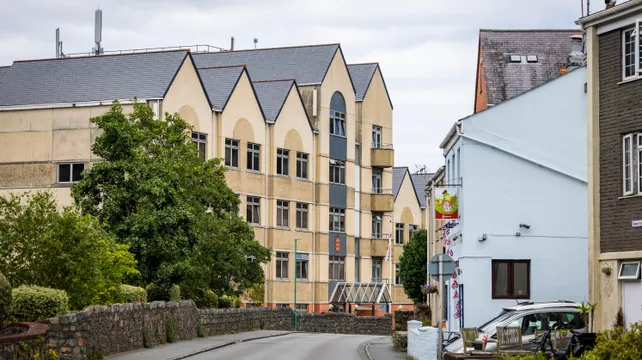
Dessie was the first to arrive. He was working as a blocklayer and he and a colleague heard about the project to modernise the Princess Elizabeth Hospital in the early 70s. They phoned up inquiring about jobs and the rest is history.
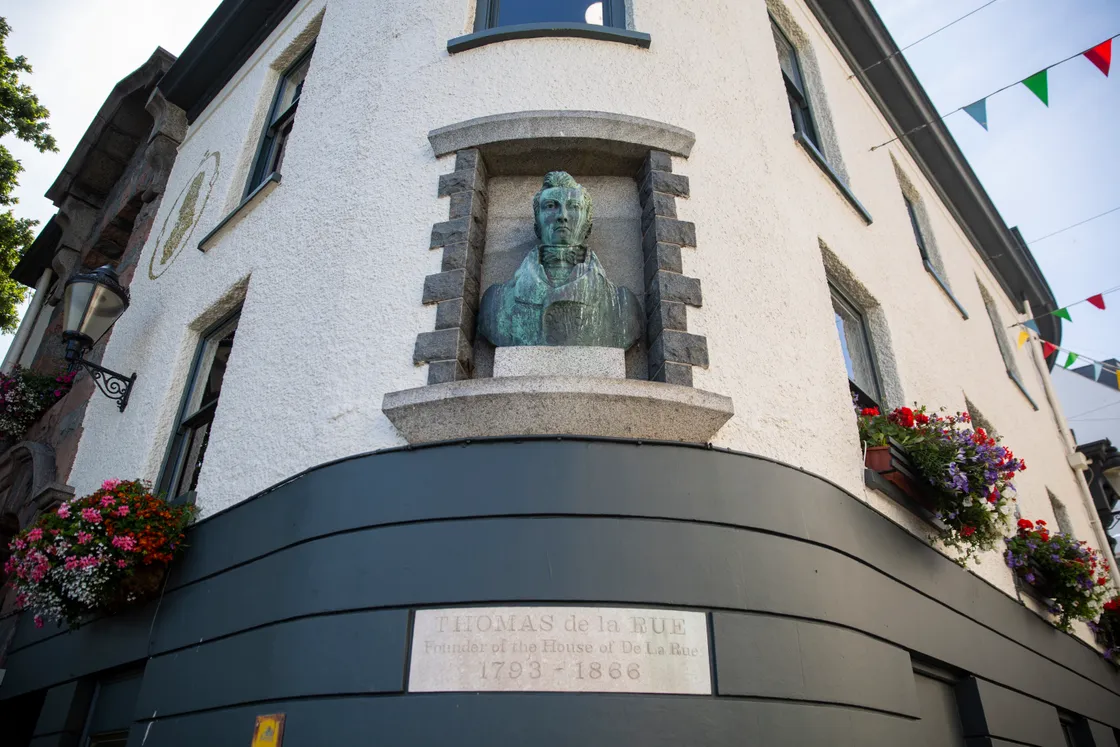
I loved his story about how he quickly became settled in the island.
‘On the second day after I got here, I went down to the De La Rue pub, and by the end of that day I not only had a job, but somewhere to live, and a football team.’
The process was pretty similar a year or two later when Willie arrived with a friend. ‘As I got off the boat over here, because Dessie didn’t know we were coming, I said to someone: “Is that the centre of town over there?” He said “Yeah” and I said we are looking for somewhere to stay and a job. He says “Fair play, go to that pub, the De La Rue, and you’ll get sorted”. And sure enough...’
The new film is going on to further premieres in Belfast and a red carpet event in Dublin before being released on television.
The two adopted Guernseymen are following its reception with interest, and it’s clear that their experience in the Star of the Sea football team was one of the events which moulded both of their lives.
‘We were part of a football team with five Protestants and six Catholics. I mean we broke the mould by having a team like that, and it got around about us being a mixed club and we had Protestants joining, and Catholics joining. Religion didn’t matter, you just went in and played football.
‘If you wanted to talk religion you did it outside of the club, you didn’t do it inside of the club, or you wouldn’t be in the club any more.’