
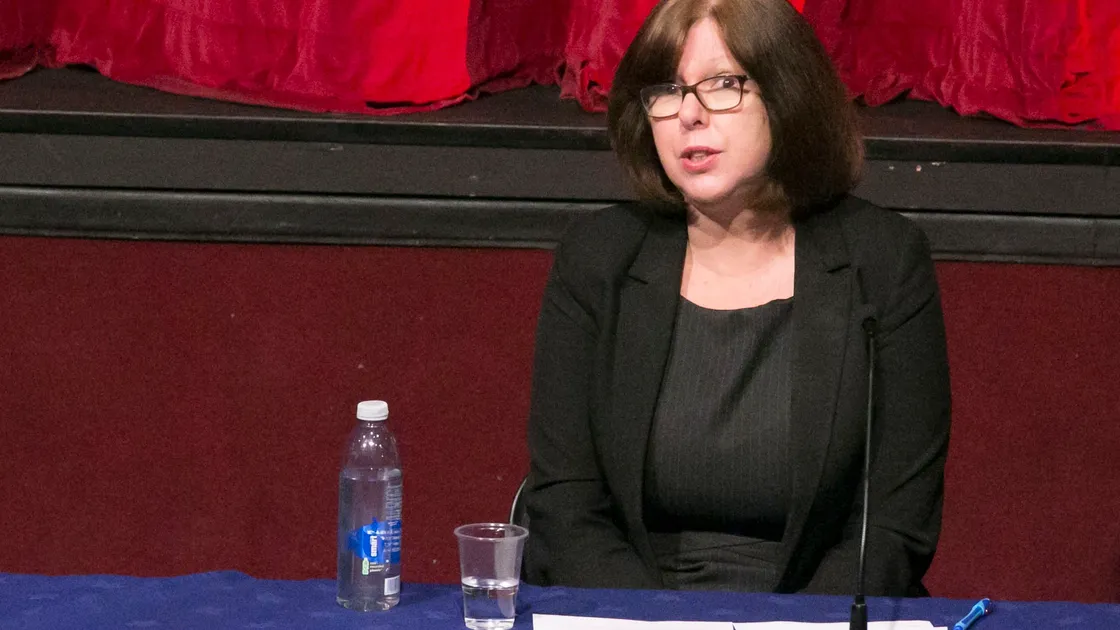
Dr Nicola Brink said that Covid-19 tests can now be turned around in under 24 hours which allows her team to manage situations and cases in real time, like the rapid response to the cluster of cases in a care home over the weekend.
‘We have the molecular testing on island so that’s the direct testing of the virus via nose and throat swabs which is really positive because now we can move onto real time case management.
‘We can identify a case and within 24 hours we know exactly where we are and this will be fundamental as we move forward and try to control this pandemic locally.’
The benefits of this rapid testing regime became immediately clear when it detected a cluster of cases in a care home over the weekend.
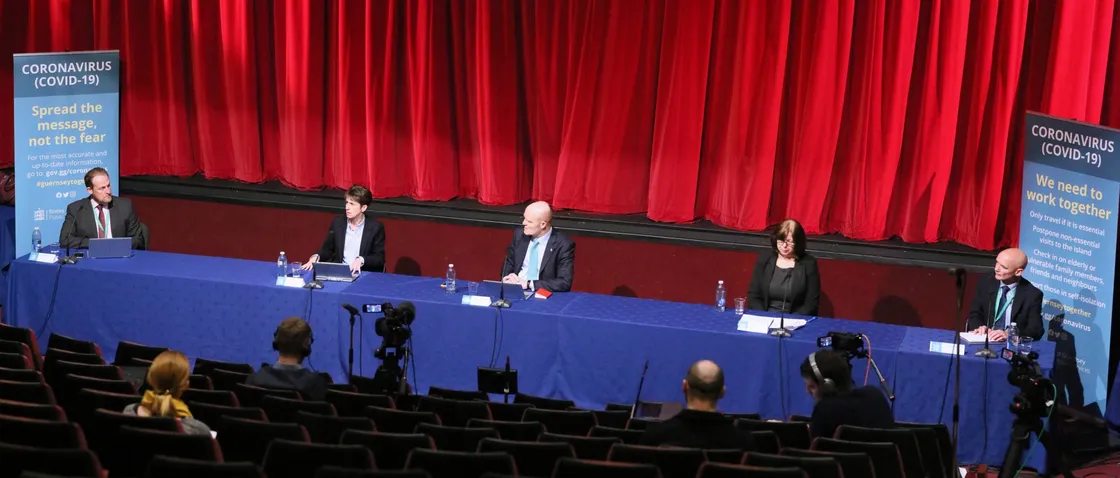
Dr Nicola Brink was hopeful that on-island testing would paint a clearer picture of the level of community transmission in two or three week’s time which could provide essential information for shaping the island’s isolation protocols moving forward.
Due to the rapid testing, there were only 27 test results outstanding, with 60 confirmed cases and 504 negative cases.
The jump in positive results was attributable to a family cluster and five cases that were found through contact tracing, Dr Brink said.
With molecular testing established, Dr Brink has turned her gaze towards antibody testing, a technique that could allow us to find out who has had and recovered from the infection already.
Mass antibody test data could be used to fully understand the impact of Covid-19 on our community.
Dr Brink explained that, once established, the new form of testing would be used on healthcare workers to detect those who might have built up some immunity to the disease.
'With the antibodies test the first group we’d like to look at is our health and care workers, those that we think could have had an infection we’ll test for antibodies.
'We’re learning about this virus all the time and if someone has antibodies we’re not sure if they’ll have long-term immunity but we think they’ll have some short or intermediate-term immunity.
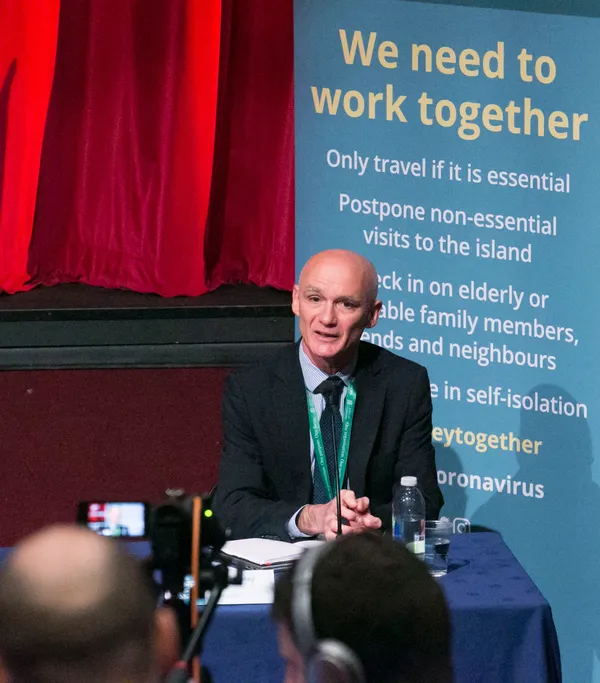
'Of course those workers will still use personal protection equipment and so on when looking after infected individuals but it would give us an additional level of confidence and give us an idea of the level of infection among our hospital staff’
The next phase, population testing, would not be conducted by home testing kits due to the danger that information would not be correctly collected.
'We don’t want to have a home testing because it is important to collate that data so what we’re looking to do is have some sort of drive-through testing where people come and get the antibody test and we validate the results.
'We’ll also then start collating data to look for the evidence on what is going on in our population.'
Dr Brink said that the molecular testing would have usually taken three months to set up, but had taken only three weeks, but unfortunately antibody testing could be some way off.
When it does arrive, however, the significant increase in data available to the Civil Contingencies Authority and Public Health will facilitate proportionate responses to the crisis.

You need to be logged in to comment.