Metal detectorist finds rare badge on the beach

A METAL detectorist has uncovered a piece of Guernsey’s little-known history.

Matthew Kneebone has found a rare military shoulder badge on the beach using his metal detector. It is thought to be a part of the 107 regiment (known as Bengal light Infantry) They were only in Guernsey for one year, between 1879-80. (Picture by Sophie Rabey, 29372586)
Matthew Kneebone has found a rare military shoulder badge on the beach using his metal detector. It is thought to be a part of the 107 regiment (known as Bengal light Infantry) They were only in Guernsey for one year, between 1879-80. (Picture by Sophie Rabey, 29372586) / Guernsey Press

Matthew Kneebone found a metal ‘107’ badge on the west coast and, after a bit of research, discovered it might be linked to the 107th regiment of the Bengal Light Infantry.

The Bengal Light Infantry, raised by the East India Company in 1854 and which later joined the British Army, came over to Guernsey for just a year between 1879 and 1880, so it appears to be a rare find.

Mr Kneebone said he found the item near a fort in the sand.
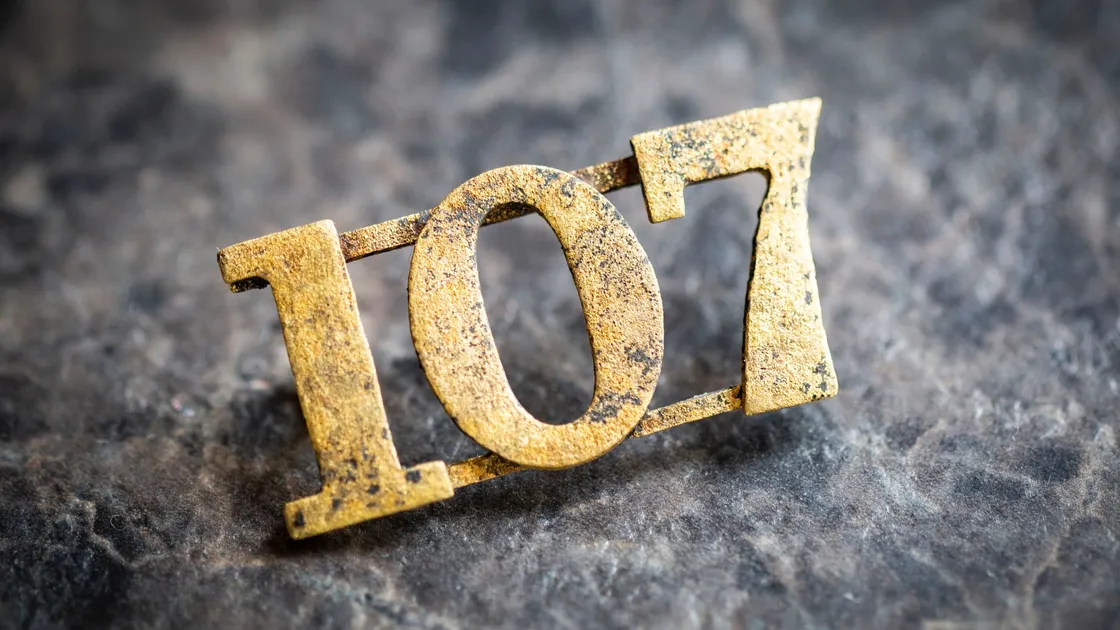
Matthew Kneebone has found a rare military shoulder badge on the beach using his metal detector. It is thought to be a part of the 107 regiment (known as Bengal light Infantry) They were only in Guernsey for one year, between 1879-80. (Picture by Sophie Rabey, 29372584)
Matthew Kneebone has found a rare military shoulder badge on the beach using his metal detector. It is thought to be a part of the 107 regiment (known as Bengal light Infantry) They were only in Guernsey for one year, between 1879-80. (Picture by Sophie Rabey, 29372584) / Guernsey Press

‘I found it just after phase two of lockdown as we were allowed to metal detect with permits,’ he said.

‘I sent pics to Dr Phil de Jersey from Guernsey Museum and he came back with what I’d researched at that point, but I didn’t know how long they were here, so to hear more about it was amazing.

‘As a military shoulder badge it sounds like the guy probably lost it and I bet he got into a lot of trouble for it.
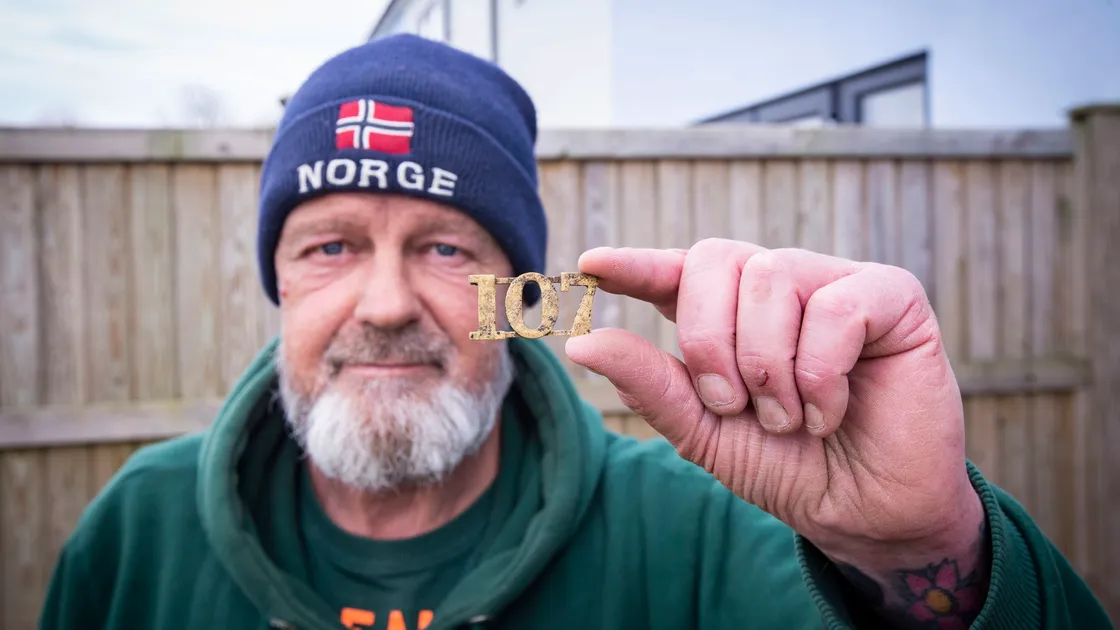
Matthew Kneebone has found a rare military shoulder badge on the beach using his metal detector. It is thought to be a part of the 107 regiment (known as Bengal light Infantry) They were only in Guernsey for one year, between 1879-80. (Picture by Sophie Rabey, 29372582)
Matthew Kneebone has found a rare military shoulder badge on the beach using his metal detector. It is thought to be a part of the 107 regiment (known as Bengal light Infantry) They were only in Guernsey for one year, between 1879-80. (Picture by Sophie Rabey, 29372582) / Guernsey Press

‘To find parts of history like that is really what makes metal detecting.’

Mr Kneebone has found other pieces during his outings, including musket balls thought to be from the 1700s and buckles from the 1800s, as well as the obligatory cans, ring pulls and some lost jewellery, for which he always tries to find the owner, but said the badge was probably one of his best finds.

He said he will donate the 107 badge to Guernsey Museum.

It will give States archaeologist and Guernsey Museum’s Dr Phil de Jersey, who has seen only pictures of it so far, the chance to research it more.

Matthew Kneebone has found a rare military shoulder badge on the beach using his metal detector. It is thought to be a part of the 107 regiment (known as Bengal light Infantry) They were only in Guernsey for one year, between 1879-80. (Picture by Sophie Rabey, 29372586)
Matthew Kneebone has found a rare military shoulder badge on the beach using his metal detector. It is thought to be a part of the 107 regiment (known as Bengal light Infantry) They were only in Guernsey for one year, between 1879-80. (Picture by Sophie Rabey, 29372586) / Guernsey Press

‘It’s an interesting object,’ said Dr de Jersey – ‘although from a strictly archaeological point of view, its significance is limited because it was a beach find, so could have washed up on Belle Greve from more or less anywhere.’

It means that other than trying to identify the object, there was not much he could do to confirm its contextual information, but was intrigued given the links it could have to the island.

He added that Mr Kneebone brought his finds in periodically and was keen to see his latest offering.

‘It’s always interesting to see what he’s got – he obviously has a very good eye for spotting things.’