

A public consultation into the licensing of animal businesses has shown that a clear majority support proposals to expand Guernsey’s existing animal welfare licensing system.
It received more than 260 responses and the results will help to shape the licensing conditions and requirements for each businesses.
The most common response to the consulation said that the advantage to licensing was to protect animal welfare, followed by providing minimum standards to be met. Encouraging ethical business practice, improving public safety and improving consumer confidence were also important considerations.
The most common answer raised over potential disadvantages was the administrative burden and the cost.
‘It was vitally important we heard from the broader population – particularly those who regularly work with animals,’ said deputy States veterinary officer Grace Hodgkinson.
‘The feedback we have received will certainly help towards shaping licensing conditions for animal-related activities such as dog walking, home boarding, and pest control – to ensure the highest standards of animal welfare in Guernsey.’
All but two of the survey respondents ranked a list of 10 types of businesses in order of how important it is for them to be licensed.
In top priority was animal breeders, followed by dangerous animals and restricted dog breeds under the general import licence.
Kennels and catteries, day carers, professional dog walkers and home boarders came in middle priority.
Lowest priority were pet shops and pet groomers.
Almost 90% of respondents agreed that there should be a public register of those licensed businesses, while 70% of respondents supported a one-to-five star-rating system for licensable animal activity, to encourage high standards, differentiate between a provision of basic services from ‘best practice’, and to help customers make informed position.
One comment said that it would add to the competitive nature of some businesses.
Another said that having a licence should be enough. If a business did not meet the criteria then it should not have a licence.
A majority agreed that professional dog walkers should require third party insurance, canine first aid qualifications and experience and competency to become licensed.
‘Any qualifications enforced should be accessible on-island to all if being enforced by licences,’ said a participant.
‘It isn’t needed. We need less regulation, not more. Laws are already in place for anyone suspected on animal cruelty,’ said another.
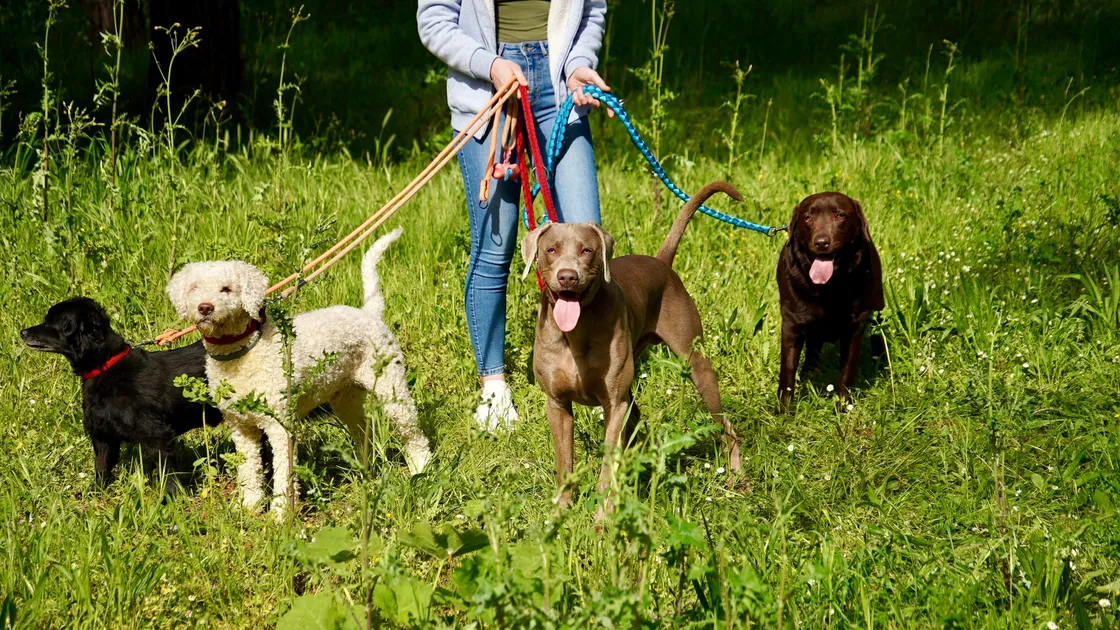
93% supported a proposal that there should be a limit to the number of dogs a professional dog walker could walk at once. Most people felt that the maximum should be three.
96% supported a limit on the number of litters a female animal should have in a year, and 83% supported a limited on the number of breeding animals per licence.
‘Licensing should be applied to commercial businesses that work with larger numbers of animals,’ said one respondent.
‘It should not apply or a different licence should be applied to smaller ventures that do not take large numbers of animals, or it will not be financially viable to offer such services.’
Another said that checks should be robust but affordable.
‘Yes it needs to wash its face but do not use this as a revenue raiser. Please make it run smoothly and not [be] a shambles.’





You need to be logged in to comment.