

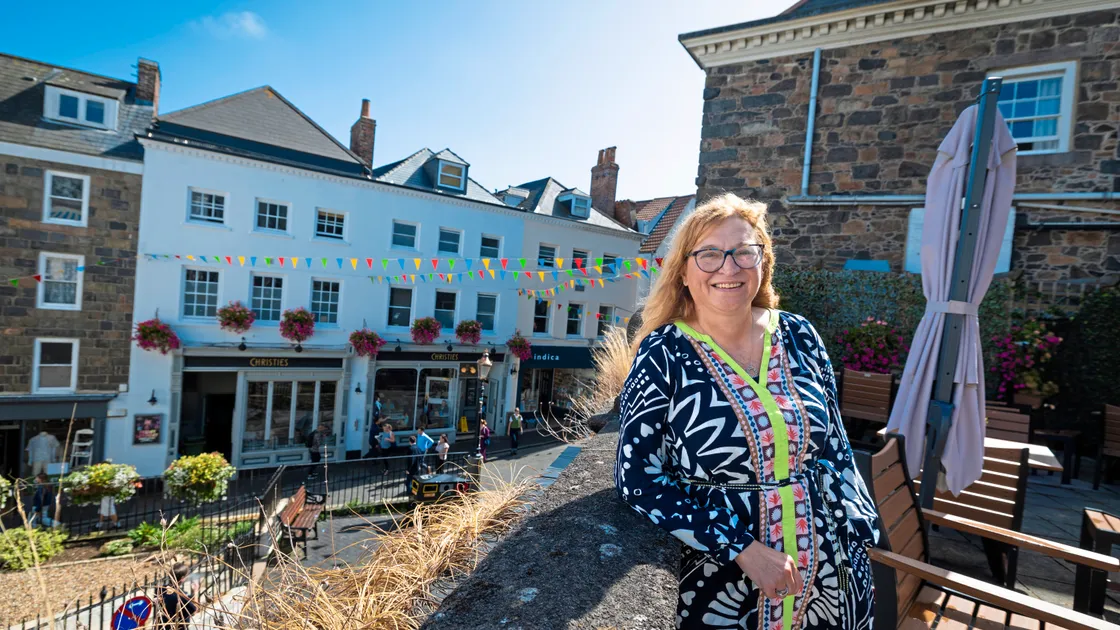
The Guernsey Hospitality Association agrees and is trying to encourage the States to back such a scheme.
It presented to 30 deputies at an event earlier this week, which also heard from Fiona Drane, the director of Scotland’s Community Tourism Association, who supports the levy idea.
‘This is what the best practice is,’ she said. ‘It could give Guernsey the tools it needs to compete and thrive. Tourism is absolutely vital here. It supports jobs, hospitality, transport and local pride.’
GHA president Alan Sillett has suggested a ‘per-person, per-night’ charge, estimating that £2 to £4 nightly could raise between £2m. and £6m. annually. The prospect of somehow charging French day-trippers has also been suggested.
Mr Sillett reiterated that all decisions would have to be made and communicated clearly from the start. It believes that a ring-fenced tax would make the industry more self-sufficient and independent.
‘A collaborative approach makes so much sense,’ he said.
‘The Guernsey Hospitality Association very much look forward to working with government in a positive and constructive way.’
He wants to set up an industry focus group to work with States officials on the project.
Hotelier Callum Le Noury, operations director of Sarnia Hotels, is backing the idea.
‘I’m all for it as long as the funds stay in tourism,’ he said.
Jamie Le Friec, who owns Driftwood Inn, said it was a great idea.
‘What’s not to love about it?’ he said. ‘I think it would inspire more French visitors. With the levy we could fund extra things.
‘The big hook for French visitors will be the two rock stars of their age – Victor Hugo and Renoir, which we haven’t really done anything about. The funds would trickle down to everything.’
Mrs Drane said that across the globe, tourism expectations were increasing – with people seeking a high-quality experience as well as value for money.
‘At the moment Guernsey doesn’t have an independent tourism body,’ she said. ‘Which arguably leaves the gap in leadership and funding. Other destinations are investing this through levies.
‘Without action, Guernsey risks slipping behind. But with the right action, Guernsey can position itself as a thriving island economy.’
She said that visitors wanted to experience the uniqueness of the island and visitors would benefit if funds were reinvested back into the marketing, culture infrastructure and environment.
‘All research shows that visitors are quite happy to pay a visitor levy as long as they know what it is for.’
Guernsey’s tourism offering is ‘very good’
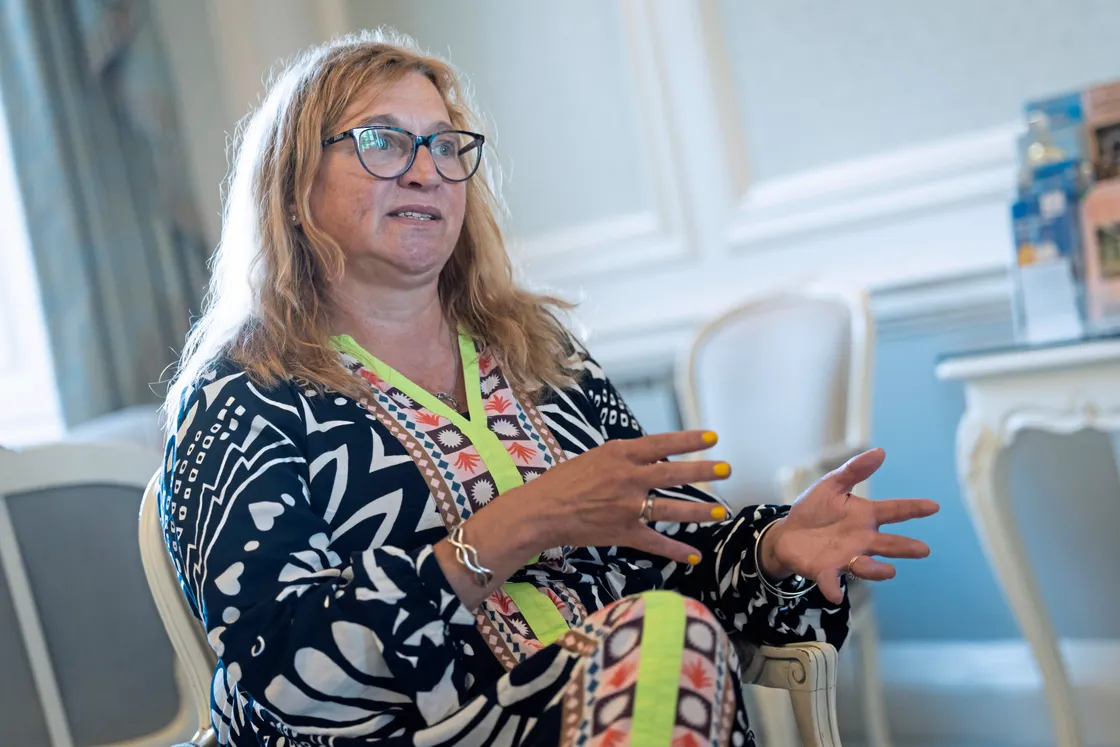
Fiona Drane has more than 30 years’ experience in Scottish tourism and rural marketing, but was on her first visit to Guernsey.
However her message was the same – if done correctly, implementing a visitor levy would benefit the local tourism industry.
Mrs Drane has been working in the industry since she was 19 years old, after finding that she enjoyed showcasing her home to her French exchange friend.
‘I was 14,’ she said. ‘My mum remarked that I was so enthusiastic about showing off how beautiful Scotland is, that I should work for the Scottish tourist board, so I did.’
Mrs Drane has spent her career in the industry and now runs her own tourism marketing consultancy.
She has held key leadership roles in Scotland’s tourism sector, and is currently director of Scotland’s Community Tourism Association.
‘I love what I do,’ she said. ‘I’m a proud Scot, and love helping others share the very best of Scotland with the rest of the world.’
Coming from Melrose, she stood in front of most of the island’s deputies and several hospitality representatives earlier this week to say that Guernsey’s tourism sector would thrive under the introduction of a tax to tourists, as long as the funds went back into the tourism sector – marketing, services, events and products such as Victor Hugo’s house and Floral Guernsey. She said it would improve both visitor experience and local pride.
‘But I do think it’s important that the public are consulted and there’s communication from the start,’ she said.
‘The Scottish government didn’t consult or communicate very well with the communities or the visitors when they implemented the visitor levy and I think that’s where they went wrong. I think it needs to be made simple and clear from the start.
‘Jersey has looked at implementing a visitor levy, and I think, ideally, it would be better it was Channel Islands-wide.
‘The success factor is transparency and communication.’
Tourism taxes are now common across the world. In the UK, Edinburgh is introducing a levy from next year. Manchester and Liverpool already have nightly fees, and they are the norm across Europe and in New York.
Successful examples elsewhere include Bermuda and Wales – who she said communicated it from the start, not as a tax but as a contribution that visitors are making for their stay.
Mrs Drane said she had enjoyed her first taste of the island.
‘I love the whole Guernsey-ness of it all,’ she said.
‘I did history at university and studied the Second World War, so I’ve read so many books on Guernsey.
‘For me, if I had to pick which Channel Island to visit, it’s always been Guernsey. I think your offering is very good.
‘You realise that people are coming for the beauty, the beaches and the heritage and you focus in on the local food as well. I love islands and I love wild swimming, so I’m very much in your market and I’ve always wanted to come here, so I’m thrilled that I had this opportunity. I said to my husband that we need to come back.’
She said that the island’s 62% repeat visit rate indicated strong potential for success.

You need to be logged in to comment.