

The last major review was more than 15 years ago, when deputies agreed to maintain student grants rather than introduce loans.
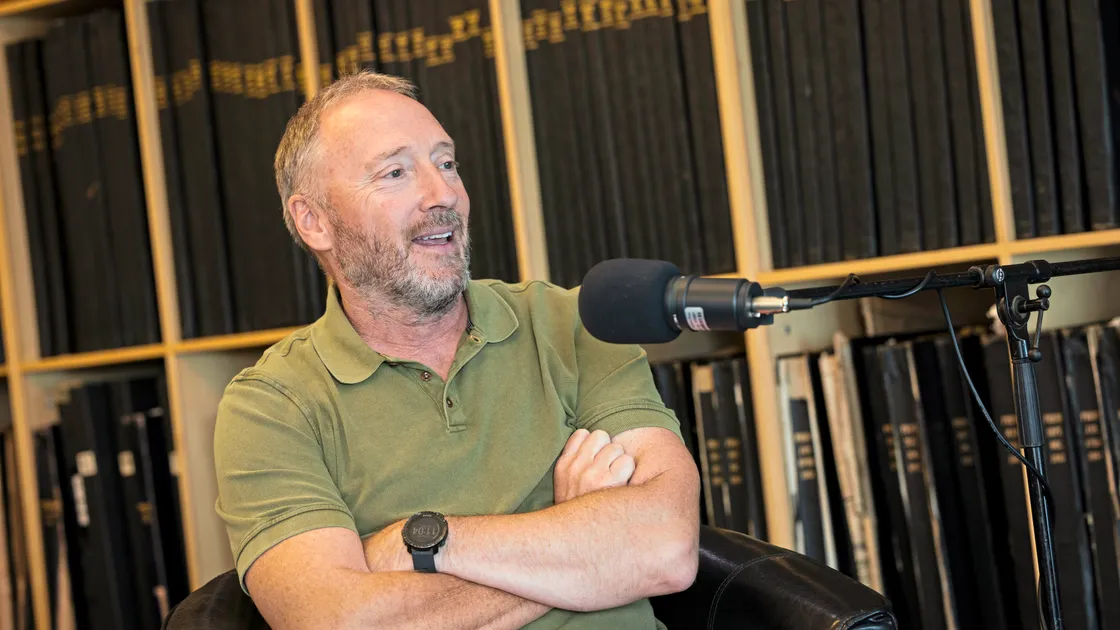
Education president Paul Montague wants his new committee to re-examine the financial support offered to students in higher education outside the island before its term ends in 2029.
‘I have already heard from parents who feel like they are being treated unfairly who are paying their taxes,’ he said.
Listen to a full interview with Deputy Montague on the Guernsey Press Politics Podcast
‘Very wealthy parents aren’t having a problem. Parents on lower salaries are getting a lot of support from the States. But there’s a real squeezed middle. I think we need to look at that. We need to take stock of how we are spending money there.’
The States budgeted nearly £4.5m. for higher education grants this year. But 15 years ago it was spending about £6m. a year – twice as much as today in real terms, taking into account inflation since 2010, although the number of students has declined.
Deputy Montague said he recognised that it was ‘incredibly expensive’ to fund a Guernsey student at university.
Tuition fees have risen to £9,535 a year. Accommodation and living expenses typically push up the cost per student above £20,000 each academic year – more than £60,000 in total for a three-year degree course.
Each funding grant from the States is calculated on a means test of parents’ household income and a range of allowances.
A student from a typical two-parent family could expect to receive a full grant if the gross income of the household is under about £60,000 a year, after which the parental contribution rises steadily.
Parents with gross income of about £90,000 a year can receive a grant of approximately £7,000 annually.
Households with gross income in the region of £120,000 or more are unlikely to receive any grant.
‘We have got a whole bunch of parents on reasonably good incomes but they are not getting any support,’ said Deputy Montague.
He was concerned that the current funding arrangements could be limiting some students and be detrimental to the island’s economy in the long term.
‘It’s all part of that idea of encouraging students to go away, but also making sure they do things that enable them to come back as well.
‘We definitely do need to look at that.
‘It’s a huge expense.’



You need to be logged in to comment. If you had an account on our previous site, you can migrate your old account and comment profile to this site by visiting this page and entering the email address for your old account. We'll then send you an email with a link to follow to complete the process.