

Successive Assemblies have been unable to agree a tax and spending plan to bring their budget back into balance and a structural deficit of nearly £80m. has been estimated for 2026.
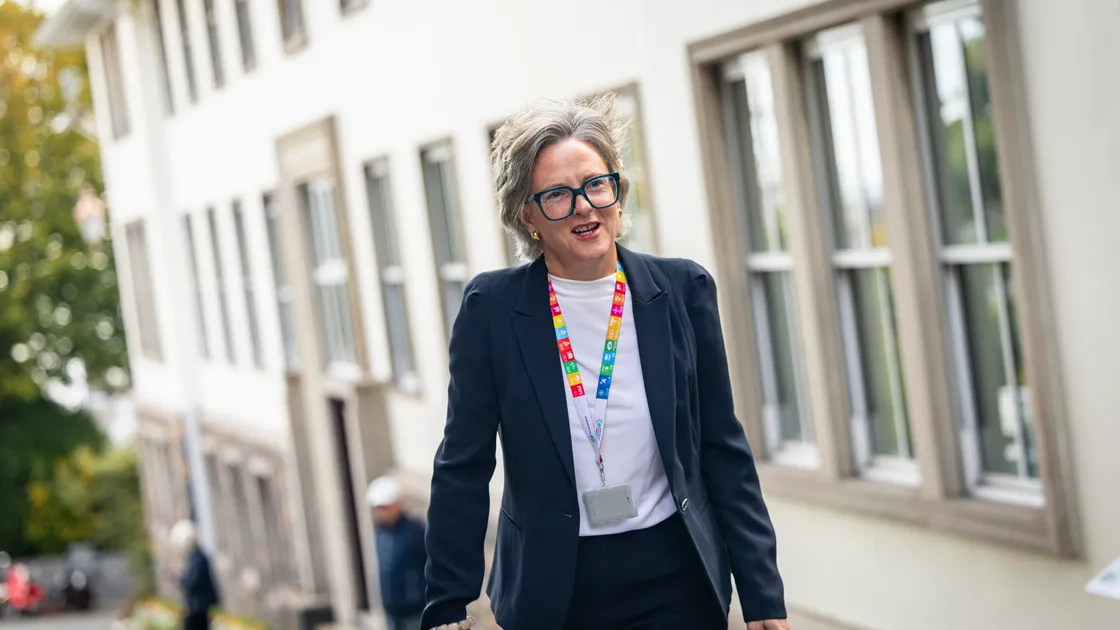
Deputy Sally Rochester did not believe that the recent general election, at which 35 of the 38 seats were won by independent candidates, provided clarity about the size and style of public sector which the island wanted or felt it could afford.
‘There is a question we aren’t asking at the moment... it’s what our national contract is and what we as a community want from our public sector,’ she said during debate on the 2026 Budget. 'We aren’t asking the very question of why we are trying to deliver Scandinavian public services when we ask only for a relatively small income compared to other jurisdictions.
‘We must have an honest, brave and well-informed conversation about what services we can provide in the long term for our community and what services our community wants us to provide. It’s a question which at some point we will have to wrestle with.’
Listen to our Shorthand States round-up of this week’s Budget meeting
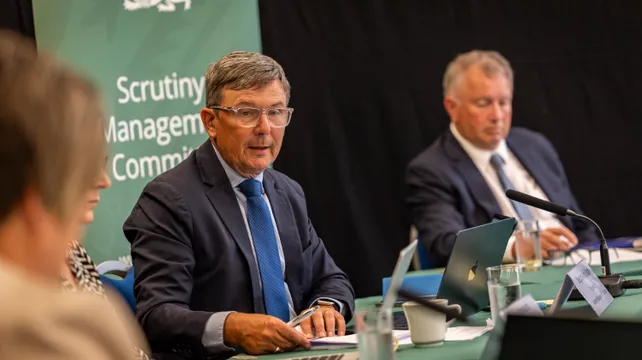
Policy & Resources president Lindsay de Sausmarez said her committee was already giving thought to Deputy Rochester’s suggestion.
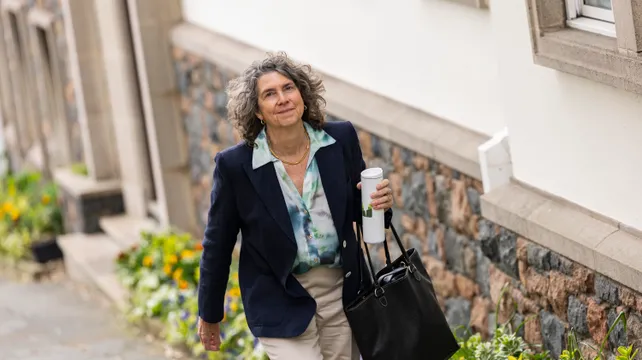
Deputy de Sausmarez also praised a speech from Sarah Hansmann Rouxel in which the former Vale deputy, who won back a seat in the Assembly in June, asked States members to recognise that rash policy decisions made with good intentions could all too easily push up spending years later.
Deputy Hansmann Rouxel used the example of the secondary education model agreed by the previous States as a decision which had ‘baked structural inefficiencies into the budget of Education, Sport & Culture’, of which she is now a member.
She also recalled a vote in favour of expanding drugs and other medical treatments, despite the-then P&R presciently warning that the cost of funding them could climb well above original estimates.
‘The lesson here is not that the decision was wrong – access to effective medicines has real social value,’ she said.
‘But that requetes and amendments can hardwire structural costs and commit future Assemblies to permanent expenditure without a clear plan for how it will be funded.
‘If we are serious about fiscal discipline and reform, we have to learn from that experience and insist on full life cycle costing and a clear understanding of the long-term implications before we commit to any policy which creates an open-ended revenue line.’
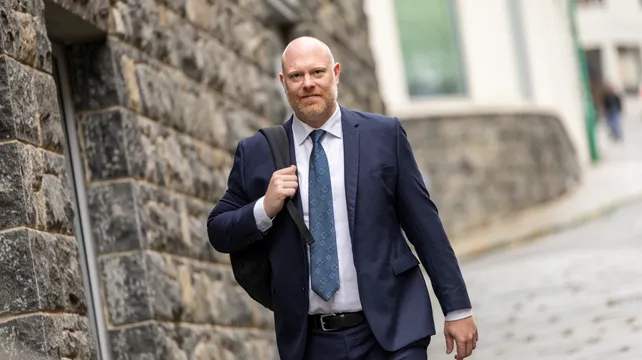
Making his maiden speech following his election in June, Lee Van Katwyk criticised P&R for proposing a budget which he believed would do little to help the average Guernseyman or woman.
He called on deputies to ‘declare a state of emergency’ in the face of an ongoing cost-of-living crisis.
‘Guernsey’s sons, daughters, fathers, mothers and even grandparents are leaving their island home in droves because they cannot afford to live here.
‘To accept this Budget is to hammer the final nail in the coffin,’ said Deputy Van Katwyk.
Liam McKenna was so dismayed at how the island was being run that he claimed ‘the Sahara Desert would have a shortage of sand within five years if the States was in charge of it’. He knew of one removal firm which was assisting about 20 families a month to leave the island, he said.
‘People cannot take any more pain of the cost of living here,’ said Deputy McKenna.


You need to be logged in to comment.