

This week Home Affairs proposed amendments to the Sexual Offences Law 2020 to address nine areas relating to sexual imagery, AI, voyeurism, and the creation of images without consent.
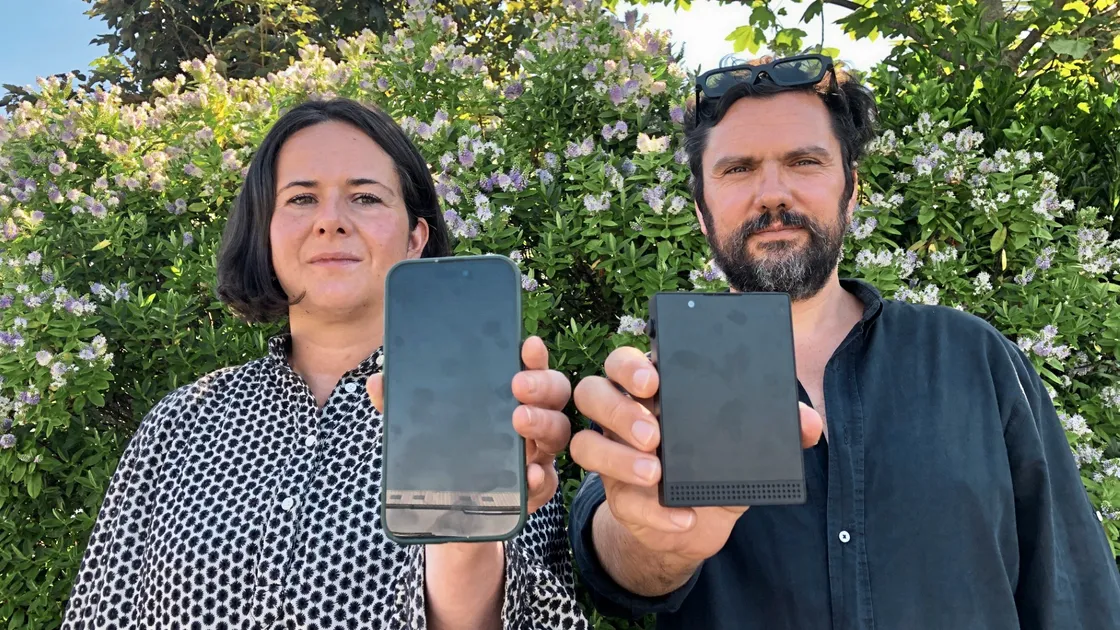
Victoria Falla, one of the local parents who is part of the Smartphone Free Childhood campaign, said the need for changes showed the previous laws had not been adequate.
‘We are glad to see that parts of the law are being prioritised to protect our children and any improvements in safeguarding are welcome,’ she said.
‘But this could have been done much sooner.
‘The UK has moved much quicker and we are late to the party.’
She added that it was important to remember that it was not just the challenge of AI that posed a threat.
‘We must remember it is not just AI, it’s kids having been exposed online to beheadings and pornography,’ she said. ‘What are we doing to help kids already traumatised by this sort of content?’
She also pointed out that Guernsey was still to adopt the UK’s Online Safety Act, parts of which came into force in July.
This meant that from that date, platforms must prevent young people from encountering harmful content relating to suicide, self-harm, eating disorders and pornography.
This will see some services, notably pornography sites, start checking the age of UK users.
‘We are still not protected by those laws – when will adopt them?’ she said. ‘It’s scary but research from the UK shows that only 35% of children actively look for pornography – the rest just stumble upon it.’
Mrs Falla said that overall she and her fellow campaigners felt that not enough was being done to safeguard children from online threats.
‘The law should just be the beginning of the approach – it needs to be across Home Affairs, Health and Education,’ she said.
‘Who is actually in charge of children’s wellbeing at the top level? Is there even a role?
‘When we need to raise an issue it requires us to go from pillar to post to get our message across.
‘No one is taking ownership, and the issue needs to be allocated and prioritised at the top level.’
Home Affairs is looking to address the use of AI, voyeurism, and the creation of images without consent, known as deepfakes.
This would become a specific offence, as would creating or taking intimate images without consent.


You need to be logged in to comment.