

It is considering the idea of requiring a two-thirds majority of votes in the Assembly, rather than a simple majority, to change the rate of GST in the future, if it is introduced at 5% in 2028.
But even if such a rule was introduced, it could be set aside at any time by a simple majority of votes – 50% plus one – with the same simple majority then agreeing to alter the rate of GST.
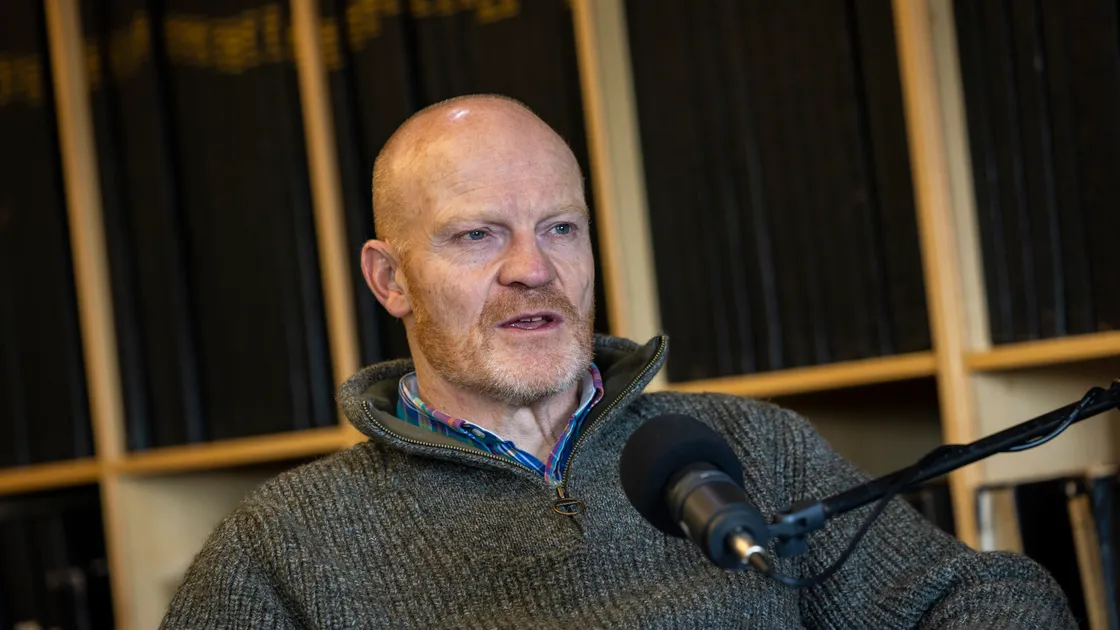
‘We’re saying we think it’s worth looking at,’ said P&R treasury lead Gavin St Pier.
‘Does it mean that the rate could never be changed in the future? No, and that is not the intention.
‘It is intended to address one of the concerns which I think the community has, and indeed one of the concerns that the committee has, that if you ever do go down this route there is the perception that it’s too easy to change the rate.
Listen to a full interview with Deputy Gavin St Pier on the latest Guernsey Press Politics Podcast
‘It creates a hurdle that has to be overcome so that it’s not as easy as it would be otherwise. I wouldn’t describe it as a gimmick, but I would describe it as making it just that little bit harder.’
P&R wants the Assembly’s backing later this month to include food in a new 5% GST, if it decides to go ahead with the GST-plus tax package at a major debate this summer about how to deal with a ‘black hole’ in public finances projected to be growing towards £100m. a year.
The senior committee’s policy letter faces a counter-proposal, led by Liam McKenna, which would take GST off the table for the rest of the States term.
Deputy St Pier told the latest Guernsey Press Politics Podcast that States members would need to get behind serious spending cuts if they were not prepared to raise substantially more from tax.
‘In public discourse, when you talk about cutting public spending, that means if we’re just a little bit less wasteful, and if we cut a few middle managers, then job done,’ he said.
But he claimed that was unrealistic because of the proportion of public spending committed to essential services, such as health care, which is also rising largely as a result of demographic changes.
‘If there is not an appetite for some form of revenue raising... then it’s really having a conversation about exactly what we are willing to cut.
‘That could be that there are schools that need to be closed, or maybe we couldn’t continue to provide all the NICE drugs approved at the back end of the 2010s and so on. They are equally difficult conversations which, frankly, have never really been had because it’s just been dressed up as “let’s just have public service efficiency” and then the job will be done.’




You need to be logged in to comment.