

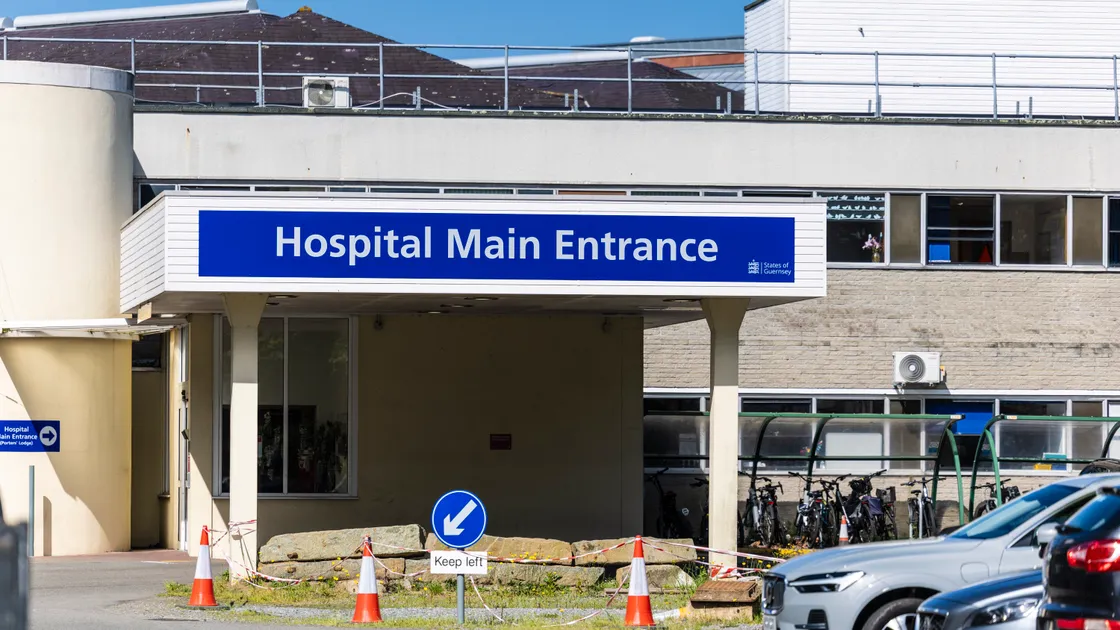
NHS bosses have estimated there could be a gap of six to eight weeks’ supply of the material, which is needed when fitting artificial joints, after a packaging fault halted production at its main supplier’s European plant.
But the Princess Elizabeth Hospital, which holds several months’ worth of stock of bone cement and uses a different supplier, is confident that it will not need to follow hospitals up and down England and cancel elective surgery.
‘We routinely maintain around two months’ worth of stock, which ensures we have a comfortable buffer and can continue procedures without interruption, even if supply chains fluctuate,’ said medical director Dr Peter Rabey.
‘We currently hold more than 12 boxes in our main stores, with a further 16 boxes held by the pharmacy team. These are sufficient for well over 100 procedures.
‘Additional supplies are already on order and, combined with what we currently have in stock, that would give the pharmacy enough for three months’ supply based on current usage, so we remain in a strong and stable position.’
It was reported yesterday that the UK had only two weeks’ supply of bone cement and NHS hospitals were ordered to protect supplies for trauma and urgent procedures. As news of the national shortage broke yesterday, Health & Social Care did not have enough information to know whether there would be any effect on local patients awaiting procedures in the UK.
But it was pleased to learn that its supplier was not hit in the same way as the NHS’ supplier, Heraeus Medical, which is based in Germany.
‘We use a different supplier whose stock levels are not affected by the pressures reported within the NHS,’ said Dr Rabey.
‘Our supplies are monitored at least weekly and we place regular orders to ensure continuity. This approach gives us confidence that our supply chain remains secure.We do not anticipate any delays to local operations. Many procedures do not require this product, and where needed we also have access to suitable alternative products. Our current stock levels and supply arrangements mean patients should expect services to continue as normal.’
Bone cement is used to anchor artificial joints and fills the space between the new joint and the patient’s bone.





You need to be logged in to comment.