

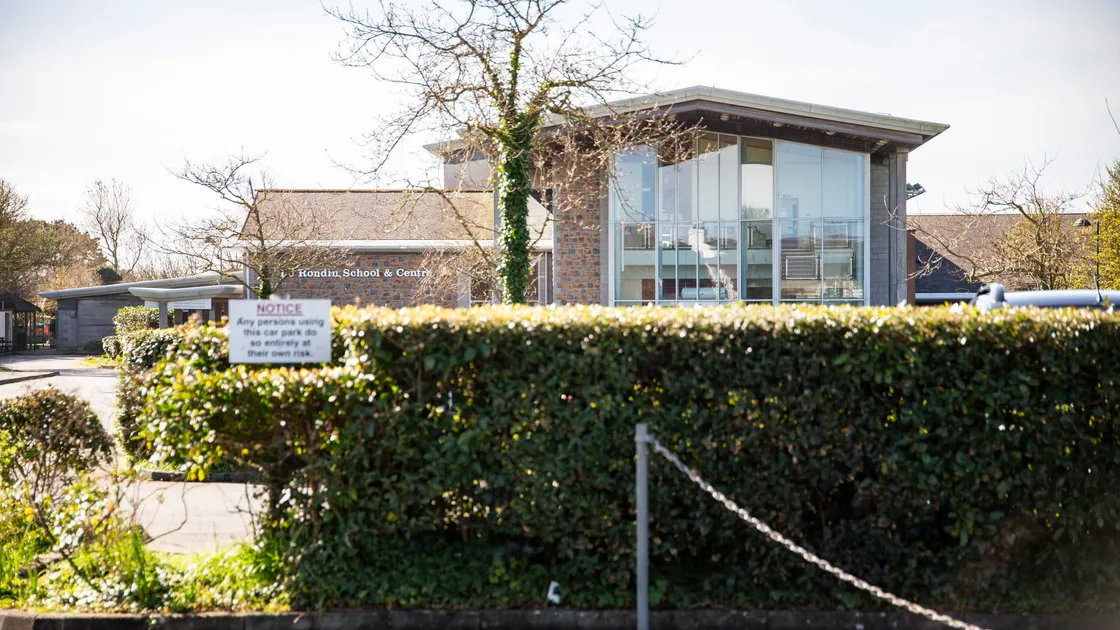
Special schools have 60 more pupils between the ages of two and 19 than they had a decade ago, which represents an increase of just over 30%.
There is also a greater number of youngsters with particularly complex needs who require more staff support and specialist equipment.
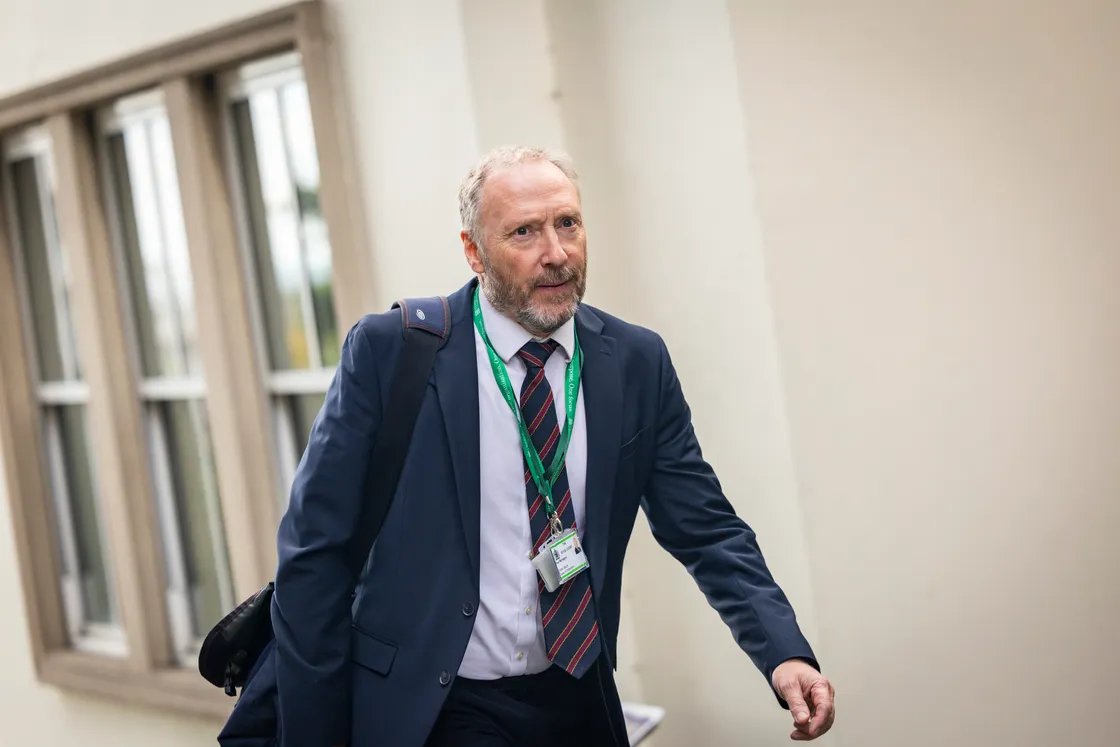
The trend is expected to continue and Education president Paul Montague has made an early appeal for more money next year for special educational needs.
‘As in the UK, we are seeing a marked rise in children with complex needs, particularly in communication, interaction and neuro-developmental conditions, such as autism, often alongside social, emotional and mental health challenges,’ he said.
‘Demand for specialist placements and intensive, bespoke support is increasing, and we must not let these learners down.
‘However, rising complexity brings financial pressure. We must balance sustained investment and early intervention with responsible, efficient use of public funds to ensure support remains effective and sustainable.’
Deputy Montague said he needed ‘to signal an early consideration for the 2027 budget’ ahead of the next round of committees’ financial talks with Policy & Resources.
In 2016, 194 pupils were enrolled in special schools in the primary and secondary phases, but that had jumped to 255 by 2025. The percentage of the island’s youngsters in special schools rose from 2.58% to 3.39%.
An initial response to questions submitted by the Guernsey Press indicated that special educational needs, sometimes known as additional learning needs, were also increasing in mainstream primary and secondary schools. However, detailed figures which followed showed the opposite.
Since 2015, the number of children identified with additional needs in mainstream primary schools has declined from 807 to 583, and in mainstream secondary schools from 516 to 452. In total, the number of such children was down 22% over the 10-year period.
Education said there had been changes in how additional needs were categorised in mainstream schools.
An external review of special educational needs and disabilities, carried out in 2021 after being delayed by the pandemic, found ‘substantial effective practice’ in Guernsey and Alderney but also inconsistencies which meant that the experiences of learners and their families could ‘vary significantly’.
Education believed that much progress had been made since then.
‘The additional learning needs code of practice has strengthened identification and support through closer collaboration across Education and Health & Social Care,’ said Deputy Montague.
‘Schools are embedding inclusive practice, supported by ALN co-ordinators and targeted roles, alongside multi-agency safeguarding arrangements.’