

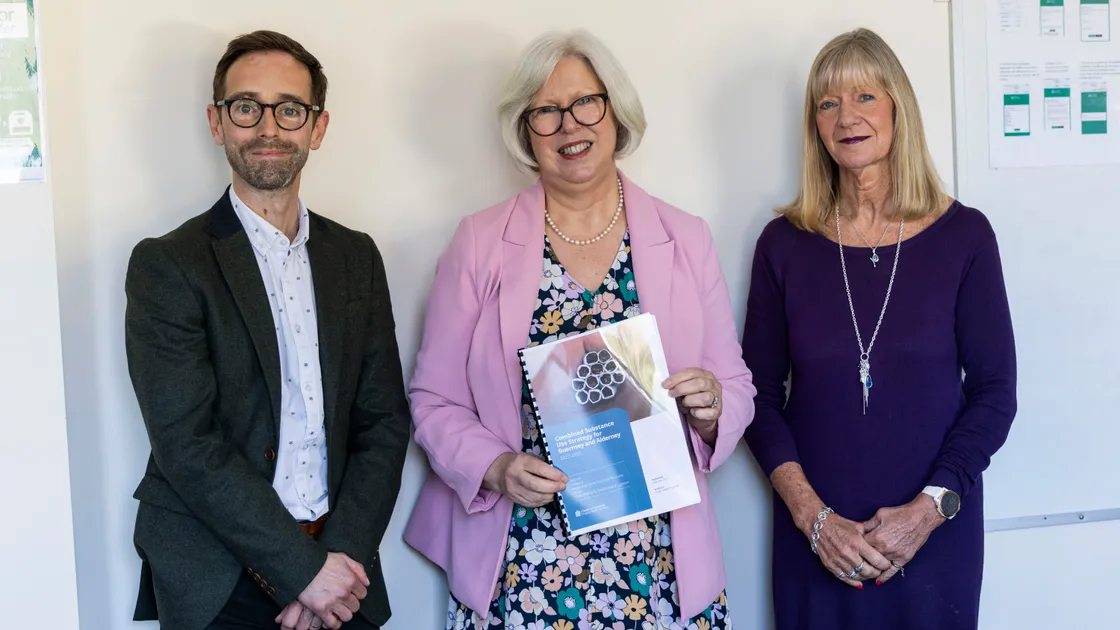
The Combined Substance Use Strategy 2027-2032 includes actions and initiatives across a range of sectors including Public Health, the Health Improvement Commission, pharmacy, mental health services, primary care, Education, Bailiwick Law Enforcement and third sector organisations.
The new strategy builds on progress made over the past five years, including the regulation of vaping products, legislation prohibiting smoking in vehicles carrying children, and continued investment in high-quality trauma-informed community support services.
The agencies involved will look to strengthen prevention, improve access to support, and ensure that policy and legislation focus on creating healthier environments and keep pace with emerging risks.
The strategy is structured around four coordinated pillars of work – awareness and stigma reduction; prevention activities; operational services; and policy and legislation. All these pillars are underpinned by enhanced local data collection and monitoring. This includes the development of new indicators such as smoking and alcohol-related hospital admissions, enabling more responsive and evidence-based action.
Dr Nicola Brink, director of Public Health, has expressed concern about the ‘normalisation’ of both high levels of alcohol consumption and the use of cannabis.
‘Alcohol remains the substance causing the greatest harm locally, contributing to significant impacts on health and wellbeing. Alcohol-specific deaths are among the leading causes of years of life lost in Guernsey, with around 10 deaths each year attributed to alcohol,’ she said.
‘The strategy highlights the normalisation of high levels of alcohol consumption and the increasing normalisation of cannabis use as areas of concern.
‘Equally, the normalisation of cannabis use is a significant concern.
‘The strategy includes actions to strengthen regulation of prescribing clinics and to develop reporting mechanisms for concerns regarding prescribing practices and illicit diversion.’
Andrea Nightingale, substance use lead at the Health Improvement Commission, added: ‘Working closely with Health & Social Care and our commissioned community partners is essential to delivering the strategy.
'It balances upstream prevention to create healthier environments with community-based awareness and impactful person-centred services that provide effective early advice and ongoing support for individuals experiencing substance use at all levels.’





You need to be logged in to comment.