


Surveys have revealed the extent of the diversion of medicinal cannabis as Public Health pledged to look at strengthening its regulation of prescribing clinics.
Nearly 80% of users were doing so without a prescription. Two-thirds of them said they used medical grade cannabis.
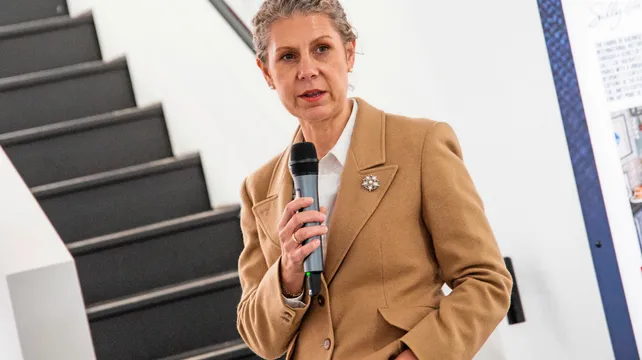
‘Between the wellbeing surveys in 2018 and 2023, the level of cannabis consumption hasn’t changed, it’s drawn 11% in both surveys,’ said director of Public Health Nicola Brink.
‘What has changed is for the first time we have data on medicinal cannabis. One of the concerns was diversion of medicinal cannabis, and that forms part of what we’re looking at in the action plan of the strategy.’
11.9% of adults reported using cannabis in the past year, compared to 11.3% in 2018, and concerns have been raised by stakeholders regarding the normalisation, misuse and diversion of medicinal cannabis.
A Joint Strategic Needs Assessment, produced by Public Health and the Health Improvement Commission, has identified the need for a formal process to raise concerns about diversion of prescriptions, enforcement around illicit use of prescription cannabis, and its diversion to those to whom it is not prescribed.
The report also highlighted the need for an early-warning drug system to identify emerging trends and enable services to be alerted of any concerns.
Other drugs were found to be used less frequently, with just 2% of adults reporting the use of other illegal substances, excluding cannabis.
‘We know from previous reports that we’ve seen an increase of admissions to our secondary inpatient ward, Crevichon Ward, with suspected cannabis-related psychosis and mental health problems,’ said Dr Brink.
‘I don’t think that we can say it’s safer because it’s prescribed.
‘The concern is that these people are not having it prescribed.
‘It’s prescribed medicinal grade cannabis which has been diverted, so essentially it’s unsupervised.’
In 2023, specialist mental health services raised concerns regarding the increase in the numbers of individuals requiring in-patient treatment associated with cannabis use, including cannabis induced psychosis.
In December 2024, there were 1,599 prescriptions for medicinal cannabis issued, comprising 1,573 on-island prescriptions and 26 licences issued to patients to import their medicinal cannabis dispensed from a UK pharmacy.
The proportion of admissions to the Crevichon Ward that were associated with cannabis use increased from 4% in 2019 (five admissions), prior to the availability of medical cannabis locally, to 25% (27 admissions) in 2023. This decreased to 16% (20 admissions) in 2024.
The JSNA supports the commissioning of an economic and health needs assessment on the legalisation of cannabis, if this change was considered in the future by the States of Deliberation.
The economic and health needs assessment, which should be carried out by an independent expert, could include evaluating the potential public health implications of cannabis legalisation, assessing the economic cost and benefits associated with legalisation, identifying social, regulatory and equity considerations and providing evidence for decision makers, to support evidence-based decisions.
But Dr Brink said that legalisation of cannabis was not part of the strategy.
‘It wasn’t brought up as a priority by anyone in the strategy at all,’ she said.
‘There is a cannabis requete [to investigate the legalisation of the drug, being led by Deputy Marc Leadbeater] but that is a separate issue.’
Respondents who used cannabis not prescribed to them and which was non-medical grade were able to comment on the cannabis they had used.
But more than half of the individuals were unsure of the source or left the space blank.
About 30% had purchased non-medicinal cannabis from the illegal market, and there were some mentions of home-grown cannabis, skunk and hash. Smaller proportions of respondents mentioned gummies or edibles.
Qualitative data from stakeholders found that since the last JSNA was conducted, diversion of prescription cannabis had increased, with many stakeholders citing clients and service users openly stating that they used prescriptions from others or shared prescriptions.
Stakeholders agreed that drug use among young people in the Bailiwick was low and erratic, however, did highlight the normalisation of cannabis use as a potential problem.
Services felt there was a lack of understanding from young people about how the diversion of prescribed cannabis was illegal and found it difficult to challenge this when use is normalised in their home settings.
Cannabis use in the last year was more common amongst younger age categories than older age categories.
The highest use was 29.1% among 16-24s and 24.3% among 25-34s with higher levels in males than females for ages 25 through 54.
Respondents who reported using cannabis were asked about their usual method of using it. The most common method was 54.7% who reported smoking, 25.9% took cannabis in edible form, and 16.5% vaped it.
It was highlighted that cannabis was also often used by young people when alcohol was not, particularly in social settings, however the use of ‘party drugs’ was less common and mostly used socially.
Participants highlighted the accessibility of diverted medicinal cannabis products, and the normalisation and social acceptance of its use across the community.



You need to be logged in to comment.