
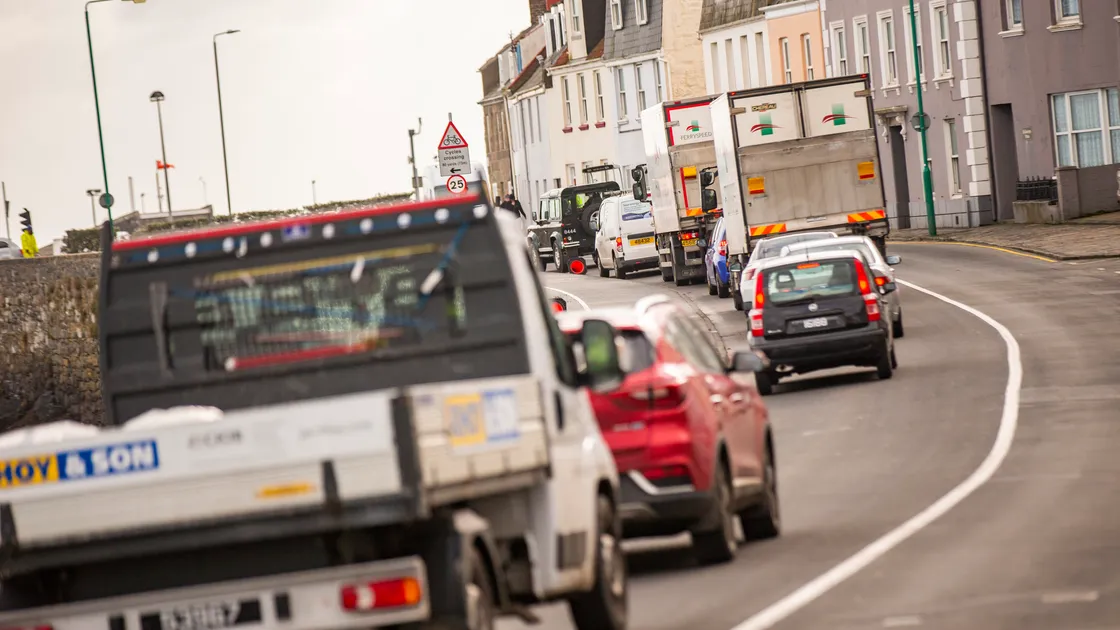
This comes after the States of Jersey spent up to £50,000 preparing legal changes needed to allow driverless cars on the island and then dropped the plan.
Certain assisted functions in vehicles, such as braking, are allowed in existing legislation in Guernsey, but the Environment & Infrastructure Committee is aware of the need to be prepared to respond to advancements, while avoiding wasting time and money on unnecessary tasks.
‘Existing legislation already permits certain assisted functions, such as automatic braking, parking and driver-confirmed lane changing, where a driver is present in the vehicle and remains legally responsible and can override and take immediate control,’ said Laura Oxburgh, head of on-island travel and transport implementation at the States of Guernsey.
‘The committee has acknowledged the need to be prepared as technology develops and is liaising with the Law Officers’ Chambers and external parties, but is also mindful not to carry out work that turns out to be unnecessary or out of date.’
In Jersey, figures provided by the States revealed that between £35,000 and £50,000 was paid to consultants to prepare law drafting instructions for potential automated vehicle trials before the project was abandoned.
In the UK, legislation has been introduced which would allow self-driving cars, with the government aiming to have everything in place for autonomous vehicles to take to the roads from as soon as September, as US driverless taxi firm Waymo is set to launch.




You need to be logged in to comment.