
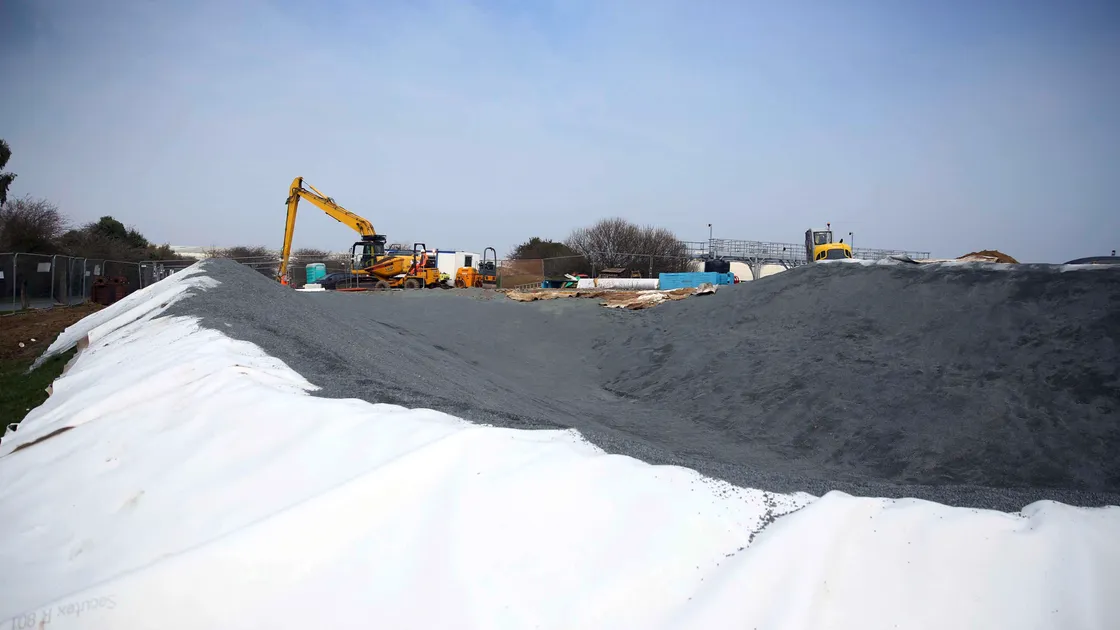
On the surface, Guernsey Ports had a disastrous year, seeing its net deficit rise to £14.6m. from £5.8m. the year before.
But if the one-off provision of £10.4m. to deal with PFAS-contaminated soil is stripped out, the results actually show a modest but significant improvement year-on-year.
Guernsey Electricity’s results were virtually identical to 2024, with a trading surplus of £11.6m., and a net surplus of £1.5m.
Supporting this apparently static position the auditors’ report points out that GEL has significantly ramped up its capital investment to start to address an historic legacy of under-investment.
Aurigny moved from an operating deficit of £1.6m. in 2024 to an operating surplus of £1.1m. in 2025.
Despite this positive trend its net deficit came in at £6.3m., partly explained by two accounting adjustments amounting to £1.7m. This was an improvement of £1.3 million on Aurigny’s ‘annus horribilis’ in 2024.
Guernsey Post had a difficult year. While its operating surplus rose from zero in 2024 to £400,000 in 2025, depreciation and finance charges saw its bottom line deteriorate from a loss of £1.1m. to a loss of £2.6m. Guernsey Water moved into a net surplus position for the first time in several years, showing a bottom-line profit of £500,000. Auditors Grant Thornton pointed out that, like GEL, Guernsey Water is also cranking up capital investment across its network.
States Works saw a modest improvement in its results, with an operating surplus up by £500,000 and net surplus by £300,000. Guernsey Waste halved its net deficit to £700,00.
The Guernsey Dairy recorded a net surplus for the first time in a number of years, albeit a modest one of £100,000. This was helped by a big increase in sales of local butter, which rose by 9%.





You need to be logged in to comment.