

Since its inception in 2015, the Multi-Agency Support Hub for Guernsey and Alderney – known as the Mash – has evolved into a dynamic, integrated early help model, bringing together professionals from education, health, police, social care, and third sector organisations.
The States said that multi-agency collaboration had transformed safeguarding and family support across the islands.
As the single point of contact for concerns about children and their families, the Mash enables swift, coordinated responses to provide early help to support or identify any safeguarding concerns through accurate, up-to-date information-sharing and joint decision-making.
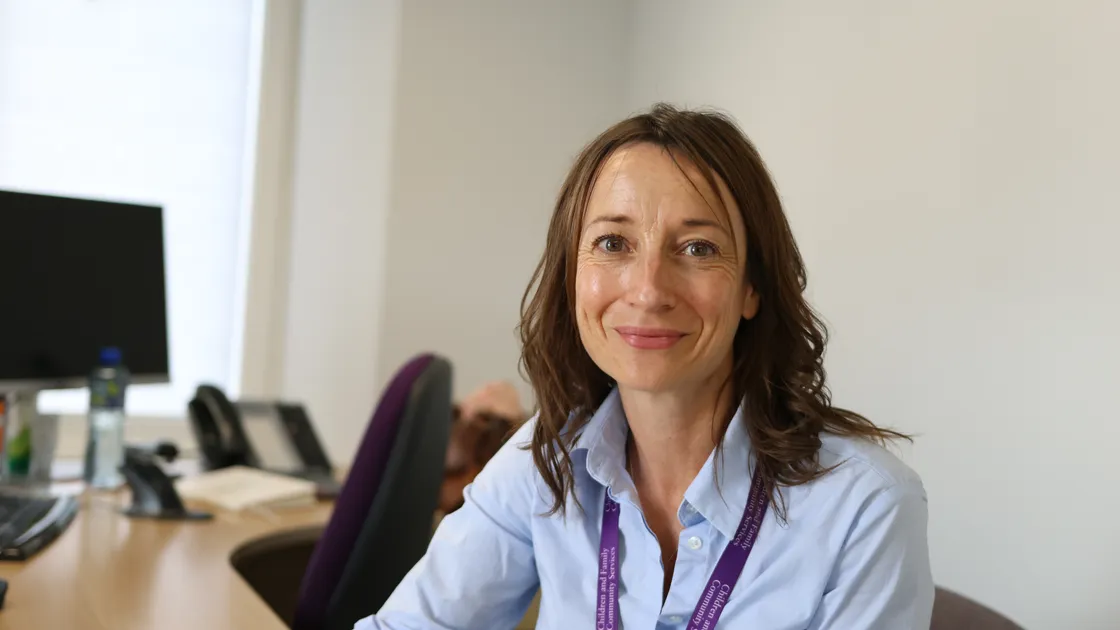
‘It started off in 2015 as the Multi-Agency Safeguarding Hub and it was our very first attempt at having a multi-agency group to process referrals for children coming into children’s services,’ said associate director Lucy Cook.
‘It has evolved quite substantially over the last 10 years and is now the Multi-Agency Support Hub.
‘It’s not just about safeguarding. There was a bit of a misunderstanding within the community that it’s just about safeguarding but it’s about providing access to support for families, whatever level of need they’re at.
‘It’s quite different, we didn’t have established premises, it was all in separate places, there were different people chairing it, different police officers and education officers.
‘Now it’s established roles, with Jo Ogier as the service manager, and with established education and police roles, which is great.’
Referrals used to be between 70 and 100 each month, but now that the Mash is promoting early help and encouraging self-referrals to access support, the numbers are increasing, which the team sees as a positive due to helping families at the earliest opportunity.
In October last year there were 173 referrals into the Mash, at least half of which were signposted to family support services for processing.
There were 158 referrals in November and 150 in December, but referrals have previously risen to as high as 200 a month.
In 2024 early help pathways were introduced to ensure that timely support can be offered to those most in need. New roles were introduced to strengthen the ability to be proactive in safeguarding.
And a team of 15 in Family Support Services delivers targeted programmes including functional family therapy, non-violent resistance, and the nurturing programme. These services supported 415 children in 2024 alone.
A family community connector role, developed in partnership with the charity Health Connections, helped an additional 129 families in the same year to access local resources and drop-in support through its Talking Cafes.
‘At the heart of the Mash is the principle that effective early help and safeguarding is everyone’s responsibility,’ said Jo Ogier, service manager for Family Help.
‘Positive change to a child and family is more likely via a coordinated multi-agency approach. The Mash actively encourages agencies and self-referrals at the earliest opportunity so families can receive early coordinated support to difficulties they may be facing.’
An education safeguarding officer enhances the effectiveness of social work in and outside of educational settings while health services offer support and a gateway for families to access help at the earliest opportunity, looking to improve long-term outcomes and reduce demand for higher level social care.
Police say their involvement can involve high-risk cases including violent offenders, domestic abuse and child sexual abuse. But through involvement with Mash, it shifts the emphasis from reactive enforcement to proactive prevention.
The multi agency referral form can be found at www.gov.gg/childprotection
Permanent role for police in the Mash
Guernsey Police now has a permanent role in the Multi-Agency Support Hub.
When the Mash was first launched there was a meeting every day. An on-duty sergeant would attend the meeting, share any relevant information and leave again.
In order to be more responsive, Detective Sergeant Kiara Walsh is now part of the Mash to ensure constant discussion about the families the hub helps.

‘In my role as detective sergeant in public protection, we would have a look at everything that the police has gone to and officers have dealt with throughout the night and the previous day,’ she said.
‘Anything that involves children, any safeguarding, any high risk, any domestic abuse or incidents that have children involved, anti-social behaviour, child mental health, vulnerable children are things we would flag.’
If officers were concerned for a parent’s ability to cope, or have reason to believe they are struggling, that would also be shared at meetings. The Mash can then signpost them to additional support. If the need arises, information can also be shared with Safer.
‘What’s really nice about being there full time is we hold a lot of information, as do all the other services,’ said DS Walsh.
‘It’s now a constant discussion, as opposed to going away and having to wait for the next meeting the next day.’
She added that it was very responsive, compared to the reactive approach to safeguarding that the Mash used to have.
‘I could hear someone else talk about a family that I’ve also just seen something about and then that sparks a discussion,’ she said.
‘Collectively, we’ll have a conversation about what’s going to happen and what direction it goes in.’
Promoting early help is a priority
Promoting early help for local families is a huge focus for the Multi-Agency Support Hub as it passes its 10-year anniversary.
The Mash brings together early help and safeguarding to ensure children and young people receive the right support at the right time, along with their families.
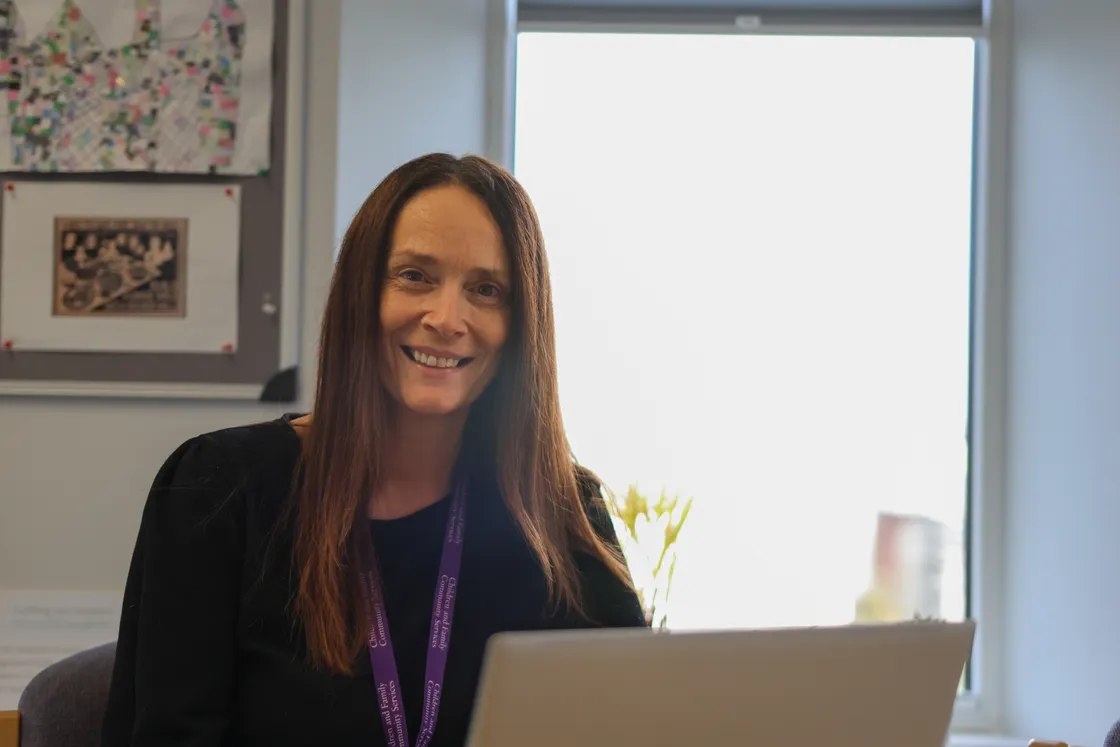
When service manager Jo Ogier took over the Mash, she realised there was a need for improved information-sharing to be able to screen referrals in real time.
‘I worked hard to promote early help and safeguarding as everybody’s responsibility and we’ve changed the referral form to be much more family-friendly,’ she said.
‘We’ve had a lot more self-referrals, so we’re encouraging families to access support at the earliest opportunity.
‘You can self-refer or can be referred by professionals. Ordinarily, we want people to consent that they’re on board with the referral. It’s an integrated front door approach to early help and safeguarding.’
The Mash is aligned with the Guernsey and Alderney threshold framework, which outlines roles and responsibilities of all organisations to work together with the understanding that responding at the earliest opportunity to families who are experiencing difficulties is the most appropriate way to reduce levels of risk.
When a referral comes into the Mash, they are screened by the duty response social worker and the screening manager, who will decide the best route. Options open to them are referral to family support services, which was a newly-developed area during 2024 with 13 staff, the functional family therapy team, the nurturing programmes, early intervention practitioners, and family coordinator.
‘We have a family response intervention worker who works with the crisis-type scenarios,’ said Mrs Ogier.
‘The family community connector is a really key role that’s being developed alongside Health Connections, and they will meet with families and talk about types of services they might like to access.
‘If their child is a bit socially isolated and needs some extra support, they can link them with the relevant services such as Youth Commission or Action for Children.’
There are about 500 side-noted agencies and the family community connector has an oversight of what in the community can help.
‘We’ve got really good referral pathways to access in terms of external agencies or in house interventions, they will sometimes screen referrals that are coming in needing social work-led services,’ said Mrs Ogier.
‘They may well do a triage visit to the family to see, find out a little bit more of the circumstances, and then make some decisions about whether further assessment is required.’
The Mash reports its data on a quarterly basis to the Island Safeguarding Children Partnership.
There is an operational meeting each quarter where all partner agencies are invited, and practices are constantly reviewed for improvements.
‘We’re developing a lot of services in collaboration with other agencies. Education in particular we’ve been working really hard with and they’ve really invested in our family support services,’ said Mrs Ogier.
‘We recognise that it’s important not just to work with the referred child, but the family unit as a whole.’
‘It’s very much about the holistic needs of the child’
Education is part of the team which helps to triage and put support in place for families within the Multi-Agency Support Hub.
Within the child safeguarding model, there is an education responsibility.
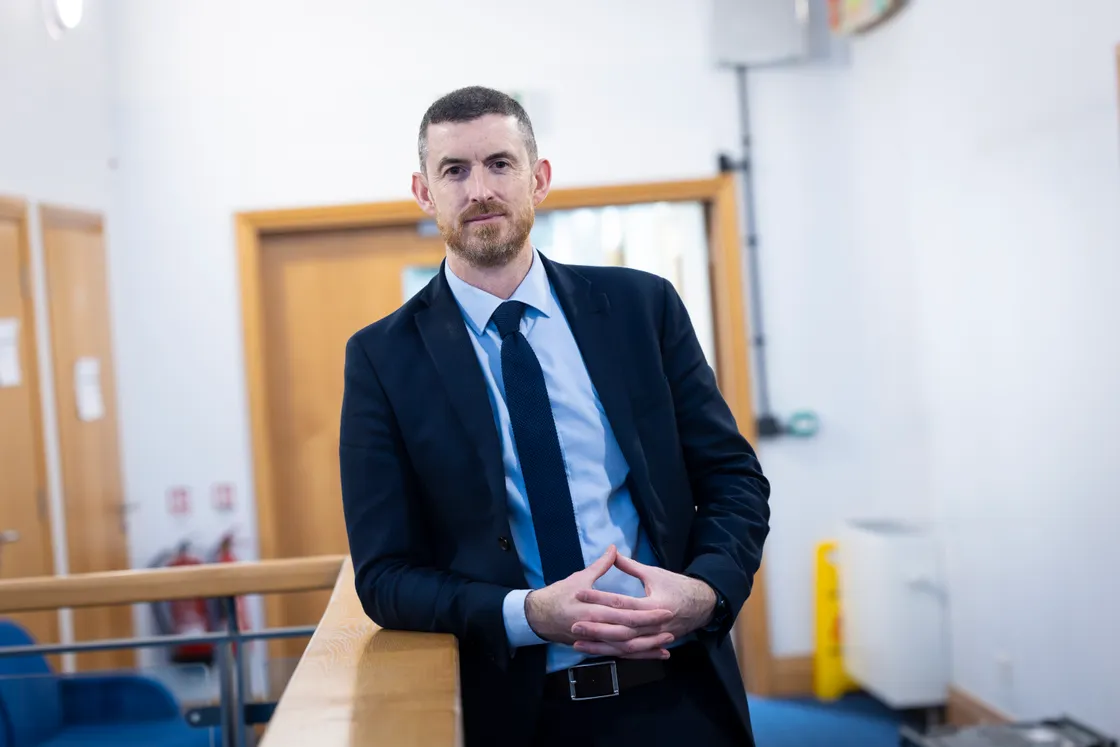
‘Over time we’ve developed with the Mash and now we’re trying to get the right support at the right time,’ said head of education inclusion services Dave Stumpf.
‘Within that we’ve always worked collaboratively with other agencies to ensure that the child’s needs have been met, but also with the family, which is a real development.
‘We’ve changed the mechanisms for early help, from a team around the child to a team around the family. It’s very much about the holistic needs of the child.’
He added that it is not just police, as education has also allocated a children’s safeguarding officer to work with the Mash.
It allows the officer to carry out joint visits with HSC colleagues.
‘If there is something that’s specifically education-focused, there may be other welfare aspects and it gives us the opportunity to do joint visits to support the family and see if there are any complexities within a particular situation,’ said Mr Stumpf.
‘Education is part of the conversation that helps to triage and put the right support in place, so families can make referrals and the appropriate professionals will get together. It might be the school attendance service, colleagues from HSC, or professionals who can support the family to ensure they can engage in education, or it might be some of the welfare aspects that education can support to address particular needs.’
The help provided can be diverse, depending on the specific needs of the child.
Education works with family support service to look at the level of support needed, whether it be a team around the family, or additional needs such as child protection.
‘The early intervention practitioners within the family support service helps to put a plan together.
‘Support can be anything that we need to put in place depending on the needs of the child and the family, but working collaboratively with other agencies.
‘For example if there was a level of anxiety to access the school, there might be additional parental guidance that HSC could offer such as a family support programme and then it depends on the child’s and family’s needs.’
Particular needs will be identified by the early help team based on the early help assessment.