

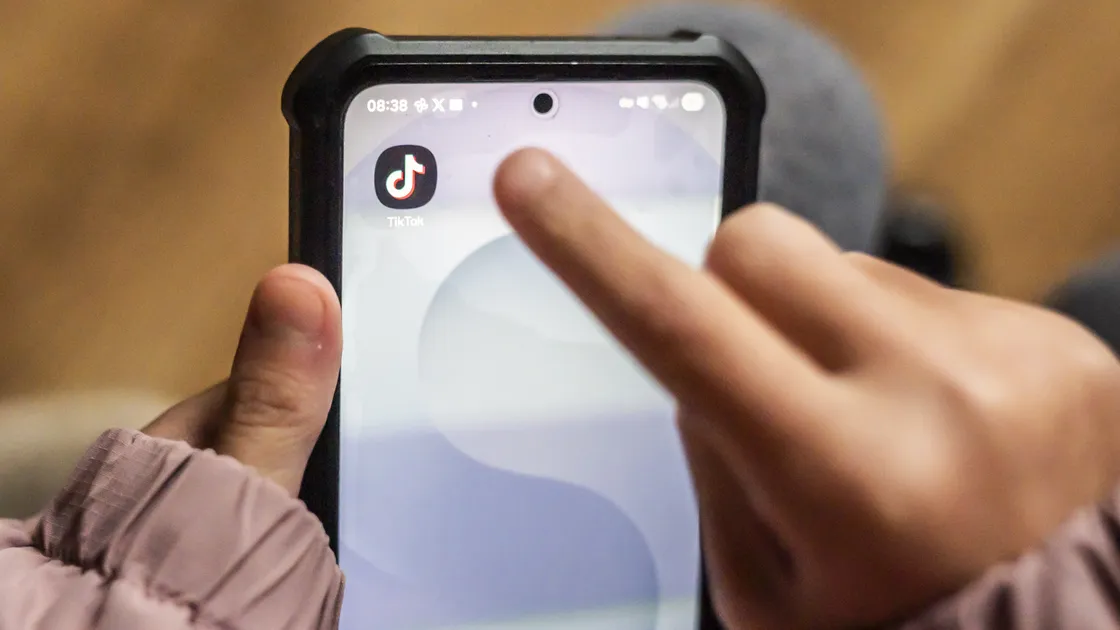
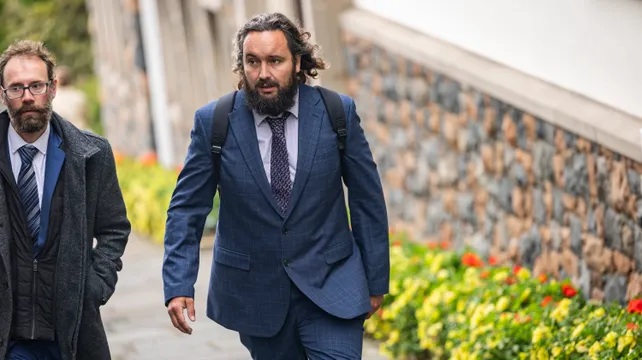
Deputy Marc Leadbeater said the States are already in discussions with the UK government over how its ban might impact the Bailiwick.
The next step will be to consider whether to duplicate the policy in Guernsey.
While Deputy Leadbeater stressed that he was not pre-empting the outcome of those discussions, he was open about his personal views.
‘Any measures which better protect young people online deserve serious consideration. While social media can have many benefits, some platforms include features such as disappearing messages, location sharing, and private communications, which can be exploited by predators and others seeking to groom, coerce, or abuse vulnerable children,’ he said.
No firm date has yet been set on when a final policy decision will be taken, but talks with the UK are taking place this week.

Nor is it yet clear if Guernsey has the complete legislative framework needed to allow such a ban to be introduced as soon as next spring, as proposed by the British government.
However, Home Affairs pointed out that the UK Online Safety Act does contain what is known as a ‘permissive clause’, which would allow it to be extended to the Bailiwick at our request.
Deputy Leadbeater said he made clear in last year’s presidential elections that he had concerns about online environments that facilitate grooming, bullying, intimate image sharing and the exploitation of vulnerable children.
‘If there are practical and proportionate steps we can take to better protect young people in our community then we should be prepared to take them,’ he said.
As well as the social media ban for under-16s, the UK is considering a ‘social media curfew’ for those aged 16 and 17. If Guernsey followed suit, young islanders would be banned from scrolling late in the evening for two years after being allowed to vote.



You need to be logged in to comment.