

‘Pegasus’ involved all of the Crown Dependencies and the UK and was led by the UK’s Health Security Agency. It simulated how agencies would coordinate as well as the decision-making process.
It identified areas of strong performance, particularly in governance and multi agency working, as well as showing areas that required further development.
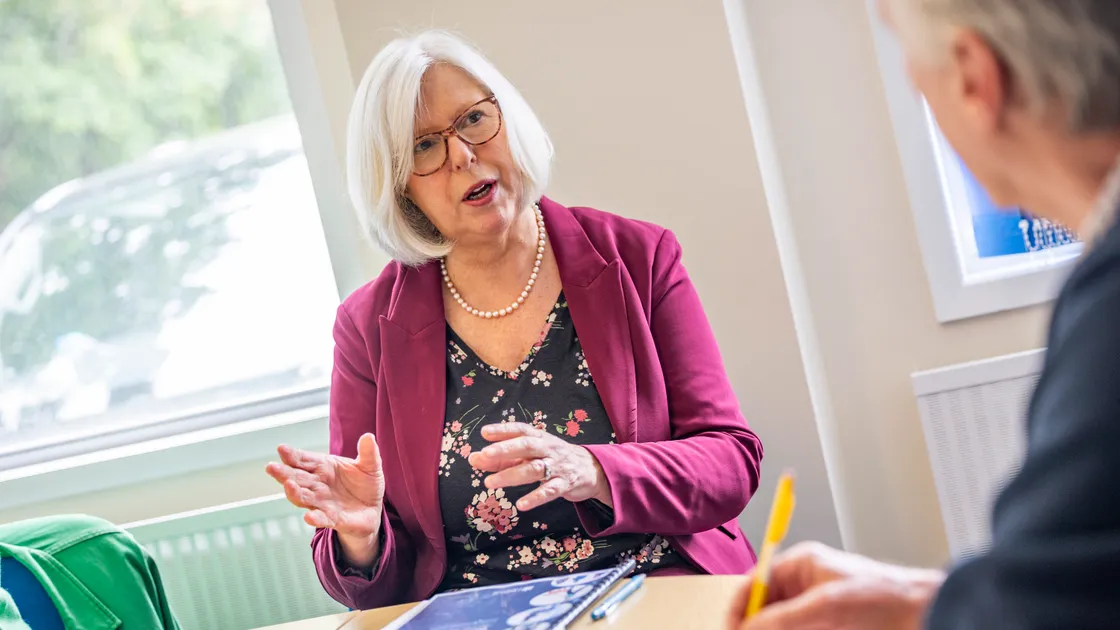
‘It was incredibly helpful, and the lessons we learned we integrated into our pandemic response,’ said director of Public Health Dr Nicola Brink.
‘One of them was the importance of communication and community involvement, and we really felt that that was key in our pandemic response.’
The results of this exercise are summed up in the second Health Protection Forum annual report, based on work by a multi-disciplinary team with Dr Brink as its chair. She had notably led a pandemic exercise in 2019, just months before the Covid outbreak.
Among the local bodies represented were public health, environmental health, the States vet and the States analytical laboratory.
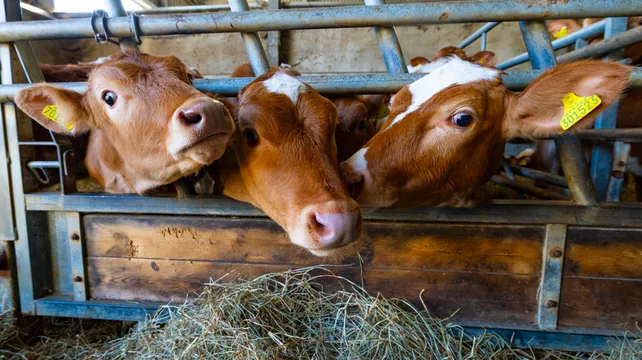
‘What’s really encouraging for me is that it embraces the “one health” approach,’ she said. ‘We know that human health doesn’t exist in a silo, and the interlinking between human health, animal health, and environmental health is of absolute fundamental said importance. It’s a real team effort, and it’s all about looking at how we can have healthy islands.’
Work has also taken place between Guernsey, Jersey and the UKHSA on a review of the joint nuclear risk, and this, said Dr Brink, was ‘informing updated planning arrangements and response frameworks’.
‘While the likelihood of such an incident remains extremely low, this work ensures that preparedness is proportionate, evidence-based and aligned across jurisdictions,’ she said.
Among the report’s findings was that there was no major illness outbreak during the year, although the levels of influenza-like illnesses were higher than the previous five-year average.
And more young children, four and under, had GP consultations than in recent winters for flu-like illnesses while fewer adults in the 50-59 age range sought GP appointments than would usually be expected.
‘This shift offers useful insight when considering service demand, particularly for primary care and paediatric services,’ said the report.
There were cases of Covid recorded, but fewer than in recent years.
Dr Brink said progress had been made against an Infectious Disease Plan which has included strengthening surveillance, maintaining vaccination programmes and moving forward with work on anti-microbial resistance.
‘These areas remain essential to protecting the Bailiwick against both established and emerging threats,’ she said.
The overall focus needed to be on preparedness and response, but she said it was also important to ‘move upstream’ and look at prevention. This was why many programmes focused on the preventative approach.
Ultimately, though, for her it was all about ‘calm preparedness’ plus community resilience and engagement in health protection messages.
‘It’s just really trying to make our health protection messages really targeted and relevant to the current situation,’ she said.
‘That is something that I have reflected on, and I think it’s something that I would really like to see, that really targeted messaging.’



You need to be logged in to comment.