


Andy Burnham, whose father is currently receiving care for Alzheimer’s, teared up during a discussion on social care reform last month, saying that carers ‘should be the best paid people in society, not the worst’.
Charity Carers Guernsey provides a range of services in Guernsey and Alderney, available to carers who may need regular or one-off support, free of charge.
Chair Ellie Lawrence said that unpaid carers provided a vital service that underpinned the entire community, often while managing their own health problems and emotional pressures.
‘We look after all different types of carers, they might be accessing dementia services, support services or autism support services. We’re kind of a catch-all for the carer,’ she said.
‘Charities typically offer support to the person with the condition, rather than the carer, so that’s why it goes unseen with the unsung heroes in our community propping us up.’
Mrs Lawrence said Mr Burnham was right to highlight the challenges faced by carers.
‘I think Andy Burnham, whether you like him or not, is right for highlighting what a difficult position carers are in acting in the best interests of their loved ones,’ she said.
‘Being a carer makes you incredibly empathetic to all sorts of different situations. There’s still joy to be found in all sorts of aspects of life, and there’s some satisfaction in caring for a loved one, it’s not joyless.’
In Guernsey, there are respite services and one-to-one support for carers, but services are often isolated and Carers Guernsey aims to link up carers with the available resources.
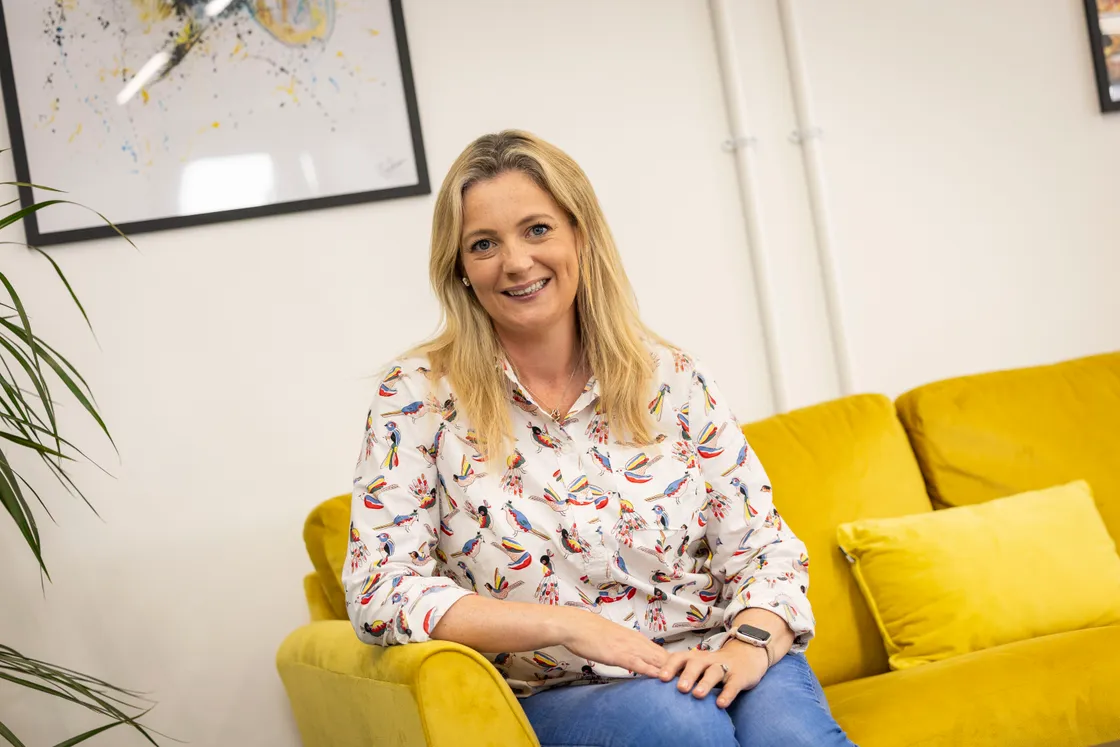
Mrs Lawrence said that some carers were not aware of the help available, because they are under considerable mental strain and emotional pressure themselves.
‘We’re constantly trying to raise our profile to make people aware. The biggest challenge for us is that carers don’t see themselves as carers, they just think they are looking after their spouse or their child,’ she said.
‘We also get referrals from GPs and HSC and then from other charitable organisations, where the cared-for might be accessing their services.
‘We’ll then help to support the carer to get access to carers’ allowance and to all sorts of services that can make their lives a bit easier day to day.’
Three in five carers also suffer with their own medical condition, and a large percentage are older themselves.
To receive a carer’s allowance in Guernsey, someone must be looking after the cared-for for 35 hours a week.
‘It’s tricky because some people don’t decline straight away. A person might become a carer for 20 hours a week, but for the carer’s allowance it does need to be a sort of full-time role for that to kick in,’ said Mrs Lawrence.
‘But there will also be a lot of people doing way more than 35 hours a week.’
Despite the hardships that carers go through, there is a benefit to society from more care being provided at home.
‘Those cared for can often stay at home for a lot longer, we would like to see more paid community carers who can help,’ she added.
‘We did a carer wellness day where we encouraged all carers to come along and they wrote post-it notes about happy parts of their life and their reflections, and all of them talked about the people they cared for and little gems that they wouldn’t have experienced otherwise.’