

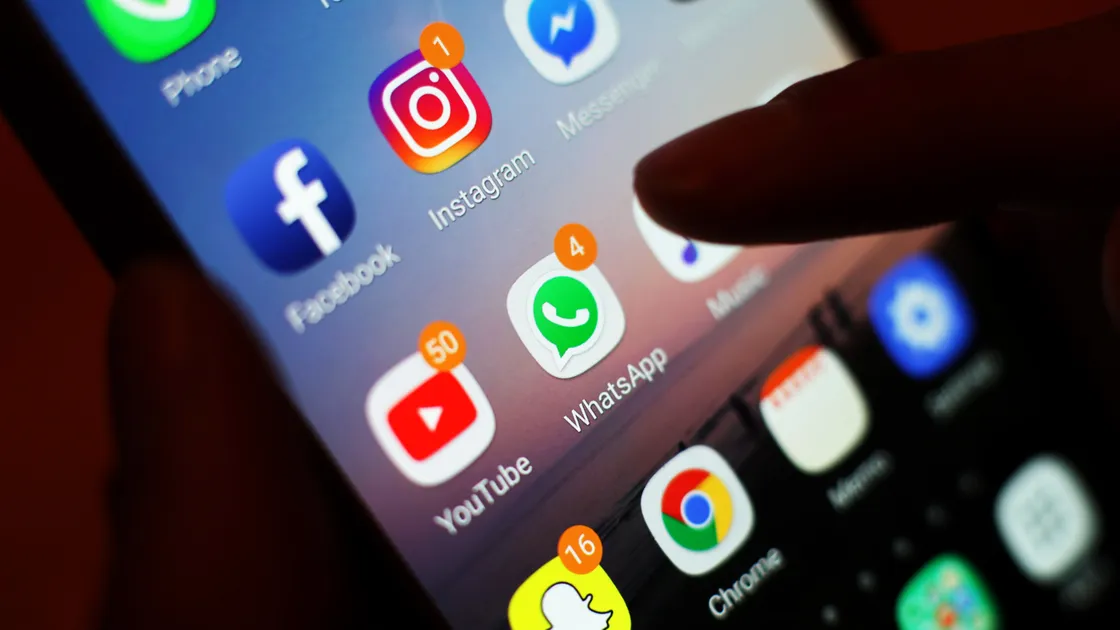
Deputy Sally Rochester, who has been outspoken about the potential harms associated with children and young people using social media and smartphones, said she was ‘really disappointed’ with the $18bn deal, which was approved by a judge in California.
It marks the company’s largest payment to date in respect of claims that Facebook and Instagram harm children and includes measures aimed at better protecting children online, including default daily time limits and night-time blocks, though in making the payment over 10 years, it continued to deny any wrongdoing.
‘This is just reducing the harms, not removing the harms,’ said Deputy Rochester.
‘There is absolutely no addressing of the root cause and it is conditional on other companies doing the same.
‘I think it’s an awful settlement.’
But she said there would be more cases to come and she was encouraged to see that some legal action was being taken.
Locally, she said she would like to see Guernsey following the UK with any social media bans or curfews it implements.
Guernsey’s former data protection commissioner Emma Martins said the Meta settlement had also deprived the public of seeing the full picture.
‘One of the important aspects of any legal proceedings is disclosure – of information, evidence and testimony,’ she said.
‘The settlement means we have been deprived of seeing the complete picture, which I think is very disappointing.’
A central question, she said, was whether Meta and other platforms had understood the risks and harms to children and young people. The company has argued that it did not, while whistleblowers have argued otherwise.
She pointed to recent comments by the head of the UK National Crime Agency, who said children were not safe online amid a rise in reports of child abuse on social media and gaming platforms – put at 900 a day – and warned that two generations of teenagers had already been failed.
‘The way we have allowed children and young people to be exposed to truly appalling content, and for their data and attention to be exploited for profit, is absolutely not fair,’ she said.
‘This settlement does not resolve any of this in a meaningful way, and I do not think it means children will be any better off now.’
However, she said cases like the Meta settlement, and the billions spent on legal fees, had made the firms pay attention.
‘This is the beginning, not the end,’ she said.
‘Being on a small island does not protect us from these risks and harms, like it does so many others.
‘This is a problem for children here, and children everywhere. I hope with all my heart we rise to this moment.’
Meta has agreed an $18bn settlement with US states and territories to resolve claims that Facebook and Instagram harmed children.
It is the company’s largest payment over child safety litigation to date.
Meta will also implement a host of changes aimed at better protecting children online, which the states had demanded, including default daily time limits and night-time blocks.
The judge approved the settlement, writing that it ‘reflects a fair, reasonable, comprehensive, and good faith approach not only to provide monetary relief, but importantly, to change conduct in a way that attempts to meaningfully address the negative impacts of the social media platforms at issue’.