

The Policy & Resources Committee’s offer was in line with annual inflation up to the end of March, but significantly below the uplift requested by unions.
The senior committee also knocked back the unions’ request for a three-year agreement, instead proposing a 12-month deal for the 2026/27 academic year only.
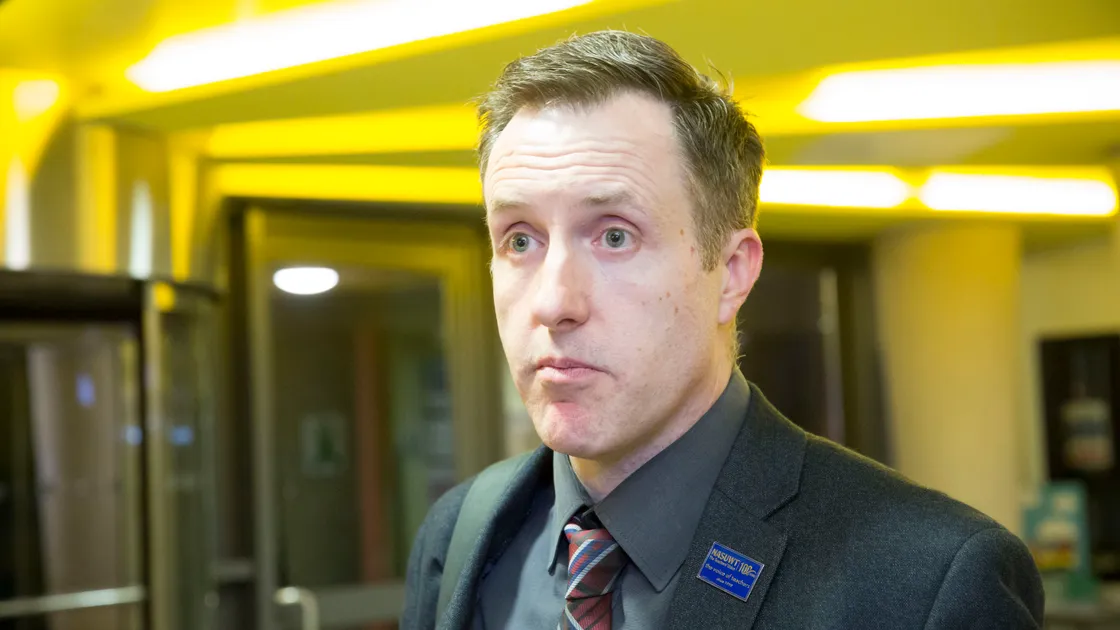
‘Following a process of negotiation, we have had an offer of 4%,’ said Wayne Bates, national negotiating official for the NASUWT union.
‘We are currently consulting with members over this, which should conclude very shortly.’
Teachers and lecturers – whose numerous unions negotiate with the States under an umbrella body known as the Negotiating Committee for Teachers and Lecturers in Guernsey – are understood to be the only public sector pay group yet to conclude a deal for 2026.
Should they accept the offer, their rate of increase would be somewhere between the deal agreed with most public sector workers which applied from the start of 2026 and the latest rate of inflation, which has increased in recent quarters and was expected to continue climbing into next year.
The NCTLG requested increases of inflation plus 2% each September in 2026, 2027 and 2028.
That would have provided a 6% uplift to wages in 2026/27, backdated to September.
The above-inflation pay request, set out in a detailed submission to P&R, was based on unions’ claim that the pay of school leaders, teachers and lecturers had been eroded against inflation and average earnings for at least the past 10 years. They argued that suppressing wages in real terms had made recruitment and retention more difficult and pointed to significant growth in unfilled vacancies since the Covid pandemic.
Politicians have been asked to play more of a hands-on role in pay negotiations, but the one-year offer of 4% was put to NCTLG in writing by a civil service official rather than by a political member of P&R.
‘The committee does not consider that differences between cumulative pay awards and inflation over a selected period constitute an outstanding pay claim to be addressed through the current or future negotiations,’ said the official.
‘Reviewing earlier settlements solely by reference to inflation would not reflect the range of factors on which those agreements were reached and accepted at the time. It would also set an unsustainable precedent across the public sector in Guernsey whereby inflationary increases could be seen as the automatic minimum for future awards. In considering the level of any award, the committee must also have regard to the States Assembly’s direction relating to cost control. This requires a careful balance between recognising employees’ contribution, maintaining sustainable public services and managing recurring expenditure responsibly.’
The offer of 4% would apply to basic pay and all allowances and be effective from 1 September 2026.
The States said there were not widespread recruitment and retention problems in schools and pointed to figures showing that the turnover of teachers had fallen over the past three years, although it acknowledged staffing pressures in certain specific areas and roles.
NCTLG also requested changes to teachers’ and lecturers’ pay structures and the inflation measurement used when negotiating wage adjustments, as well as additional benefits to ease cost-of-living pressures and accommodation expenses.
The States declined to include those issues in the current round of pay talks but said most of them were being considered as part of other projects.