
What does reaching 20 years of listing mean for International Public Partnerships (INPP)?
It’s a huge milestone and one we’re very proud of. Looking back, INPP was created to give investors access to essential infrastructure assets and the resilient, predictable cash flows those assets can generate.
Over the past 20 years, we’ve delivered on that proposition. Through events such as the global financial crisis, Brexit, the pandemic and geopolitical shocks, INPP has remained resilient, growing its dividend every year by at least 2.5%.
The 20-year anniversary is an opportunity to reflect on what has been achieved, but also to look ahead. The long-term nature of our infrastructure investments means we have strong visibility on future cash flows and have provided guidance that we expect to continue paying and growing dividends for many years to come, without materially changing the portfolio.
What are the key reasons behind INPP’s success?
INPP invests in essential infrastructure that people rely on every day, including schools, hospitals, transport assets, energy networks and wastewater infrastructure.
What makes these investments attractive is that their revenues are typically supported by long-term contracts or regulatory frameworks. That creates resilient and predictable cash flows that are less exposed to economic cycles than many other types of investment.
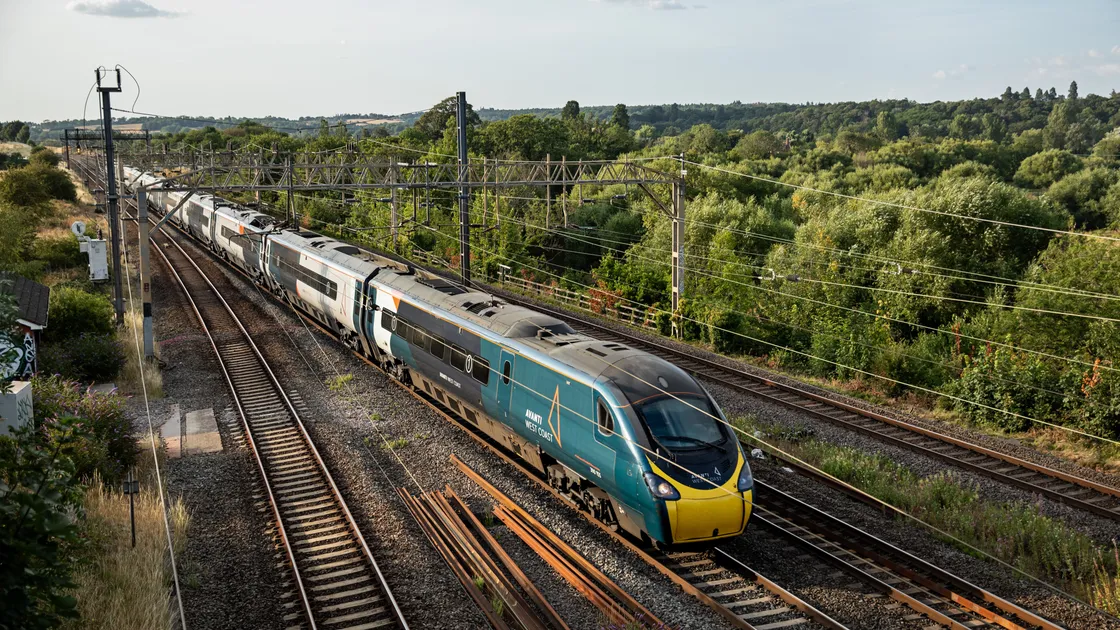
That approach has helped us deliver both consistent dividends and long-term capital growth since listing in 2006. We launched at 100p per share and our portfolio value has grown alongside the income we’ve provided to shareholders.
How has the infrastructure investment landscape changed over the last 20 years?
The market has evolved significantly. When INPP listed in 2006, infrastructure was still a relatively young asset class on the stock market.
Over the past two decades we’ve seen substantial growth, with more infrastructure investment companies listing and greater institutional and retail interest through listed market funds.
Infrastructure is now firmly established as an asset class, and INPP was one of the early pioneers helping to create that market.
Why does infrastructure continue to appeal to investors?
First and foremost, infrastructure offers predictable and defensive cash flows. Regardless of what is happening in the wider economy, essential assets such as energy networks, schools, hospitals and transport systems continue to operate.
There is also a tangible aspect to infrastructure investing. Investors can see and understand the assets they are supporting and the benefits they deliver to society.
Another important attraction is inflation protection. Many infrastructure revenues are linked to inflation, helping preserve investors’ real returns over the long term.
Which investment best reflects what INPP stands for today?
A great example is Tideway, also known as the Thames Tideway Tunnel.
The project was developed to prevent sewage overflowing into the River Thames by expanding London’s wastewater capacity through a 25km ‘super sewer’ beneath the river. INPP invested in the project in 2015 and helped support it through financing and construction.
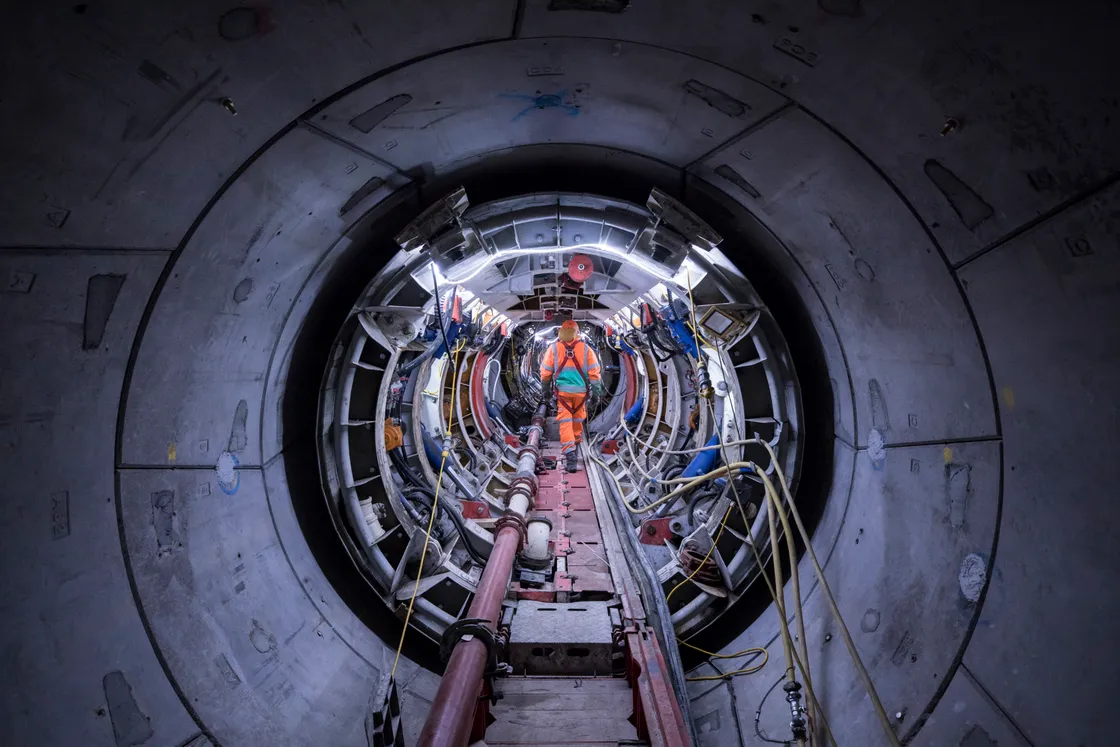
What’s particularly satisfying is that this major infrastructure project was delivered broadly on time and within the original budget for consumer bills. It has already stopped more than 20 million tonnes of sewage from entering the river. It demonstrates how infrastructure investment can deliver positive environmental outcomes while also generating stable, inflation-linked returns for investors over the long term.
How important has Guernsey been to INPP’s journey?
Guernsey has been extremely important. It has been INPP’s home since the company was incorporated in 2006.
We were attracted by the island’s stability, strong governance framework and established ecosystem supporting investment companies. We continue to work closely with our Guernsey-based board and value the expertise available on the island.
Guernsey has played an important role throughout INPP’s 20-year history and remains a key part of its success story.
What advantages does Guernsey offer international investment funds?
The strength of Guernsey lies in its stability, depth of expertise and high-quality professional services sector.
There’s a strong pool of experienced directors and advisers, which helps support investment companies and their governance requirements. Those factors have helped both INPP and many other funds prosper over the years.
How has INPP remained resilient through periods of market uncertainty?
The foundation is the contractual and regulatory structure that underpins our investments, but active asset management is equally important.
Over the years we’ve navigated challenges including contractor failures and the disruption caused by the pandemic. By actively managing assets and working closely with project partners, we’ve been able to protect cash flows and maintain stable returns for shareholders.
That combination of resilient assets and active stewardship has been central to our long-term performance.

What are the biggest infrastructure opportunities over the next decade?
The opportunity set is enormous because governments around the world – particularly in the countries where INPP already invests and where Amber Infrastructure has ‘boots on the ground’ – need significant infrastructure investment but face financial constraints.
In the UK alone, we’re seeing opportunities in water reservoir projects, electricity networks, grid upgrades, renewable energy connections and transport. Demand for digital and energy infrastructure is also increasing as economies modernise.
The same themes are evident internationally, across Europe, Australia and New Zealand, where growing populations, ageing infrastructure and the transition to net zero are creating substantial investment opportunities.
After 20 years, what are you most proud of?
I’m most proud that we’ve consistently delivered what we set out to achieve for investors.
For 20 years we’ve generated stable, cash-backed dividends, growing those payments every year while helping protect investors’ income from inflation and navigating a wide range of economic and geopolitical challenges.
We’ve also structured our investments carefully, including managing interest-rate exposure through long-term financing arrangements. Combined with the secure nature of our revenues, that has enabled us to provide shareholders with the reliable returns they expect from infrastructure investment.
Ultimately, the consistency of those results over two decades is what we’re most proud of.



You need to be logged in to comment.