
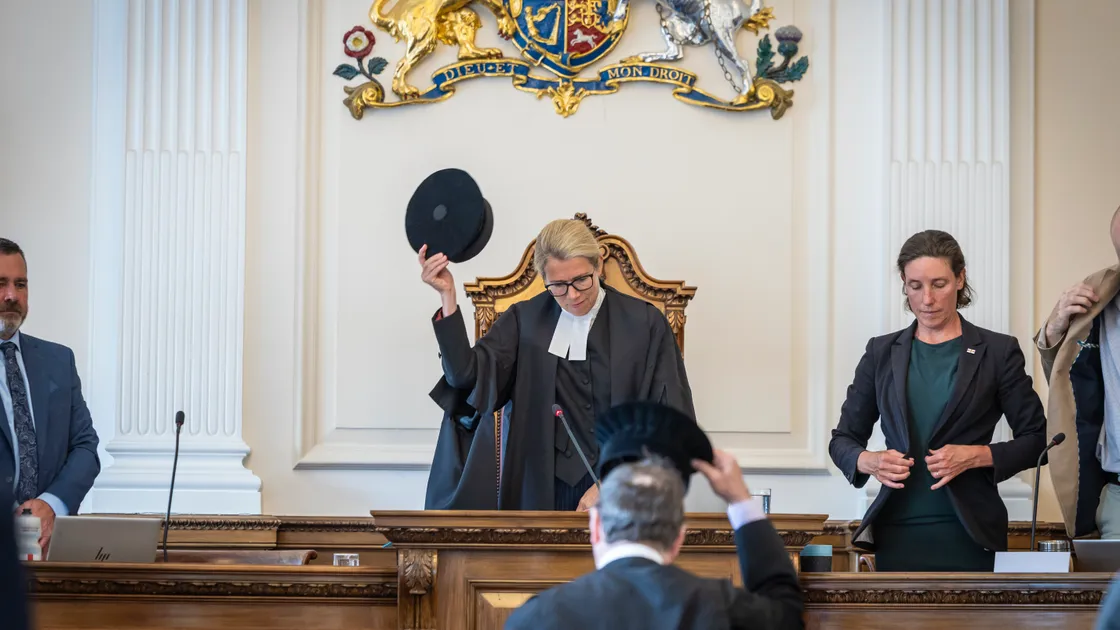
The agenda for this week’s States meeting features an eclectic range of issues jostling for attention – from the future of Alderney’s runway to the proposed by-election and the treatment of food within any future GST. A challenging brief for my first Press States preview – to summarise in 1,000 words what will likely take all of three days to debate.
Beginning with GST, this Assembly will get its first opportunity to weigh in on a tax debate that now has more sequels than the Fast & Furious franchise. The policy letter from Policy & Resources asks States members whether any future GST – if it forms part of a wider package of tax reforms to be debated this summer – should include food. The intention is that, should the States resolve for food to be excluded, detailed and workable proposals could be formulated in time for the June tax debate.
To their credit, Deputies McKenna and Vermeulen have left little doubt as to their position, having lodged an amendment which seeks to take GST off the tax reform table. Curiously, however, their amendment says it would ensure ‘Guernsey’s tax system remains fair and just’. Calling the current system ‘fair and just’ is certainly a brave assertion. Opposing GST on the grounds that the status quo represents fairness has the potential to unite, in opposition, both the ‘fair tax’ and pro-GST deputies in the Assembly.
Whatever your views on GST, the amendment sits uneasily with the intended spirit of this debate. There are deputies who would, with equal conviction to the proposer and seconder, oppose other avenues of reform such as a territorial tax. Yet no equivalent veto has emerged from those individuals.* The States is being asked to address the treatment of food, not to approve any final tax proposal. To therefore narrow the Assembly’s options prematurely risks pre-empting a debate that deserves to be had in full this summer.
Alderney’s runway
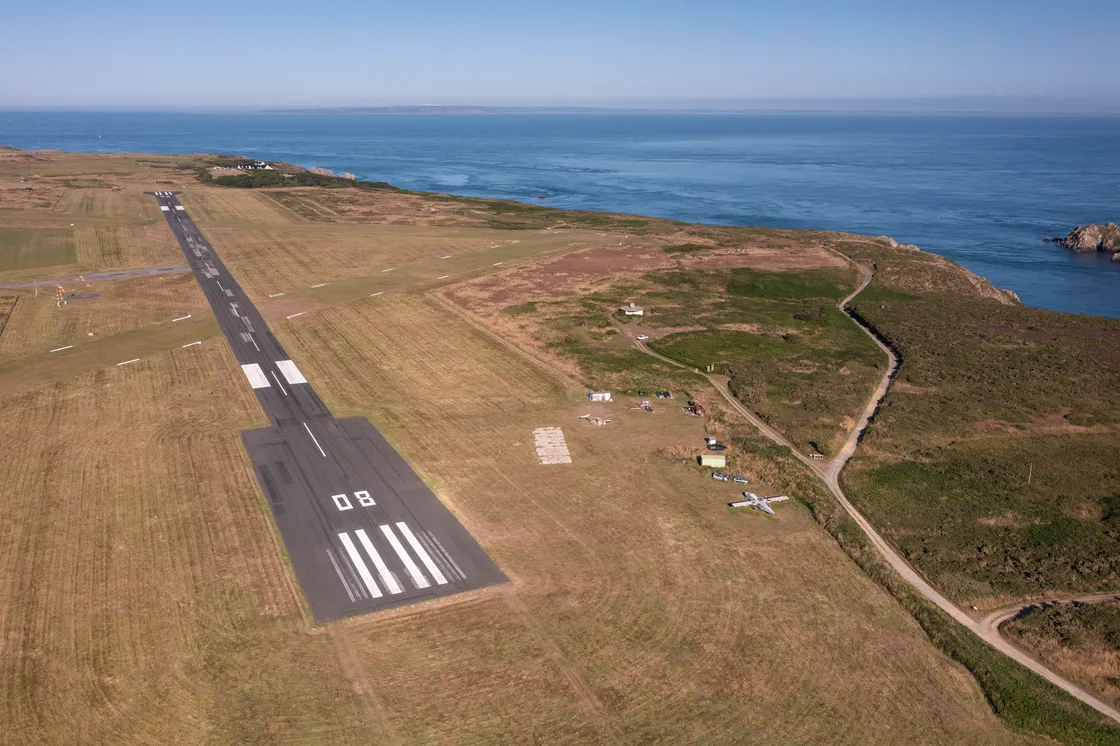
P&R will then bring the landing gear down on another long-running issue – the rehabilitation of the Alderney runway. The States will be asked to decide whether to delegate authority to P&R to approve up to £24m. for the proposed works.
In the run-up to February’s meeting, this item has generated little debate – perhaps because, after more than a decade of deliberation, there is little left to say and little time left in which to say it. The policy letter warns that with each passing month the risk increases that the airport could be forced to close on safety grounds.
Almost a year ago, ambitious plans for a larger runway, complete with a new terminal building and fire station, were shelved after the £24m. project budget was dwarfed by a final price tag of £37m. The revised proposal now prioritises continuity of connectivity and regulatory compliance over any expansion in capacity. As a consequence of previous indecision, this States has been left little choice but to approve the project. The economic, social and safety risks of not having a functional Alderney runway are, in my view, too great to justify further political delay.
Staying with this theme, P&R notes that the existing runway is near the end of its operational life and 'continued reliance on patching and temporary repairs is not sustainable…’. That observation could quite easily apply to the past handling of much of the States’ physical and digital estate – a pattern of prolonging the life of critical infrastructure through short-term workarounds instead of committing to long-term investment.
Infrastructure projects are especially vulnerable to short political time horizons – it is always easier to defer spending on projects whose benefits may not be visible or measurable within a single term of office. However, I am hopeful that this relatively fresh Assembly is ready to take the needed longer view on infrastructure investment this term.
By-election
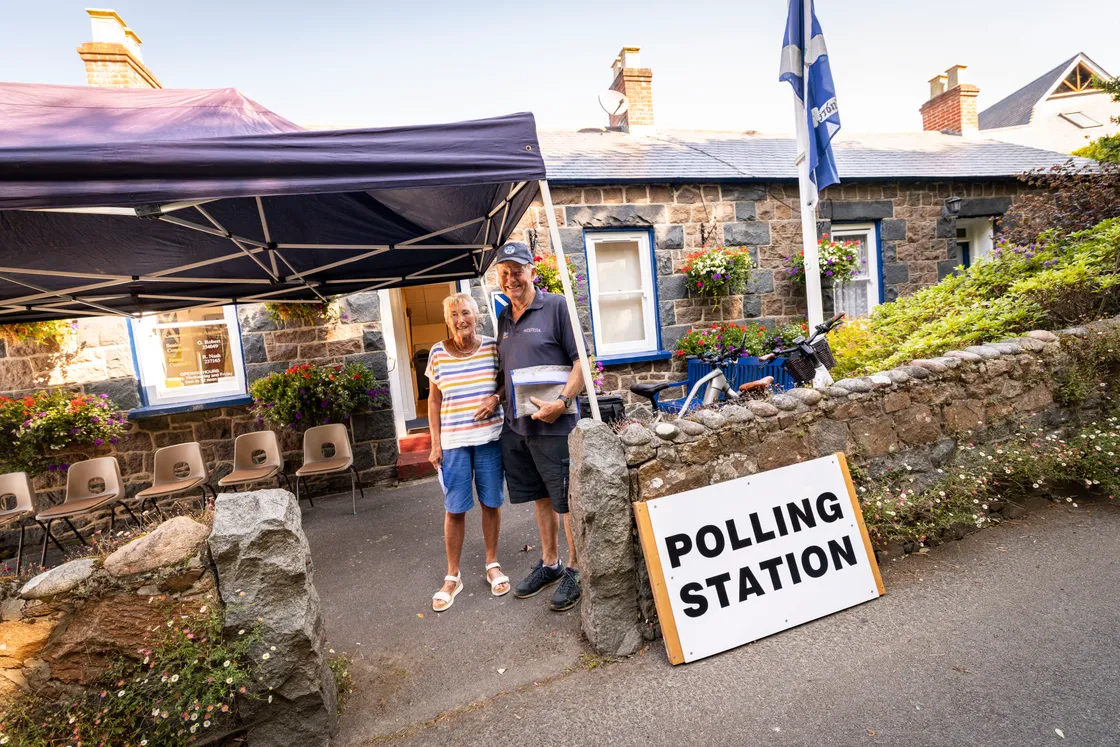
The focus will then shift to the States Assembly & Constitution Committee’s proposals for the by-election. The Reform Law, which sets out the legal framework for Guernsey’s parliament, requires that a vacancy is filled through a by-election.
Yet what would normally be a simple procedural matter, quickly became politically charged. In the run-up to Sacc’s policy letter, speculation about the cost of the by-election was rife, not least among some States members. One day, figures were suggested in the region of £200,000; the next, estimates had climbed north of half a million. The opportunity for a sensible conversation around costs quickly turned into something resembling an auction. Once speculation gave way to substance, however, Sacc’s published proposals placed the estimated cost in the region of £75,000.
Some have questioned the need for a by-election at all. Why go to all of that trouble for a single seat? It is an appealing argument – and, as a member of Sacc, you naturally hope the need for a by-election won’t arise. But proper democratic governance is not always convenient.
Whether or not you used all 38 of your votes last June, almost 20,000 islanders cast their votes on the understanding that they were electing 38 deputies to represent them for the next four years. Irrespective of whether one believes there should be more or fewer deputies, that was the democratic contract with the electorate.
In my view, choosing to leave a seat vacant would fall short of that obligation and set a troubling precedent – that proper democratic governance can be deferred on grounds of inconvenience. It would risk treating democracy as self-sustaining, as though it renews itself without effort. Events across the Atlantic have underscored the need to avoid such complacency. To borrow an old analogy, democracy is like a bicycle – it must move forward to stay upright. Holding a by-election is a small but necessary part of keeping that bicycle moving.
Next up, is a requete led by Deputy St Pier and Deputy Bury. It proposes to lower the age limit for non-intimate body piercings from 18 to 16, provided the procedure is carried out by a registered operator and with the written consent of a parent or guardian.
Some have, understandably, suggested that the States may have more pressing matters to attend to. In fairness to the deputies involved, that argument could be made against addressing any niche area of policy. Over successive terms, the Committee for Health & Social Care expressed support for the work but had never been able to prioritise it. Given that this requete stems from a formal complaint dating back to 2017, the requerants are probably justified in now bringing the matter to the Assembly themselves.
Just as I have failed to summarise February’s agenda in 1,000 words, the States stands a fair chance of not finishing the agenda in three days. So, for those wanting to keep track of this week’s dense meeting, I would recommend visiting the (relatively) new parliament.gg website – which provides live meeting updates, access to agenda items and a link to the audio livestream – a useful way to follow proceedings from a safe distance.
This preview was written prior to any amendment being published.




You need to be logged in to comment.