
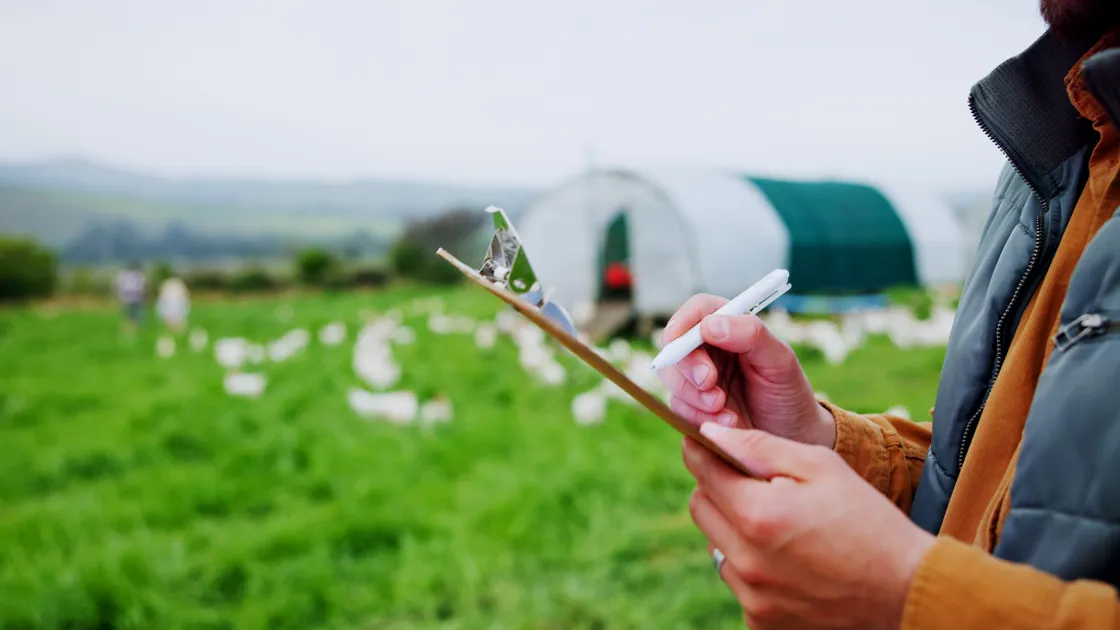
Once upon a time there was a farm. Many people lived on the farm, some of them worked for the farmer. The farmer provided services for the people, such as schools and a hospital, and he charged the people a land rent according to how much they earned.
The people never really knew how much money the farmer made or his overall wealth, but the curmudgeonly farmer repeatedly told them there was a black hole in his finances and he would either have to charge them more land rent, or he would have to cut the services he provided.
The people noticed that the farmer had three big fields full of animals, which just seemed to get more and more animals in them. But the farmer never seemed to sell any animals from these fields. The people asked how many animals there were and the farmer gave them a number, but the independent farming auditor would not confirm if this was correct because the farmer hadn’t used proper Independent Public Animal counting Standards (IPAS).
The farmer did tell them that one of the fields, called the Social Security field, contained animals that were bought from contributions made by the people, to produce enough animals to sell to pay pensions to the people up until 2080. He produced a report from the farming actuary to confirm this.
The people were still very sceptical about the two other fields and eventually persuaded the farmer to adopt proper Independent Public Animal counting Standards, and everyone was surprised to find that one field, the Core Investment Reserve field had 196 million animals, while the bigger field, the General Revenue Reserve field had 1.4 billion animals. The farmer had bought all these animals by collecting more rent from the people than the farm had cost him to run, over many, many years.
The people wondered if the curmudgeonly farmer’s claim of a black hole, which he had been repeating since 2008, was really true. They thought of the story of the boy who cried wolf.
The farmer explained that the Core Investment Reserve field was kept for emergencies, and some animals had been sold during the last emergency in 2020. The people said that it didn’t look as though very many had been sold given that the farmer claimed at one point that 200 million would have to go to balance the books. The farmer admitted that only 50 million had been sold from the field and 28 million of those had gone to keep the crop duster flying. There hadn’t been any other emergency sales from this field, either before or since. The farmer said that he really needed to build up this field to 800 million animals, ‘just in case’. The people were very sceptical whether it needed to be any bigger at all.
The farmer then said that the General Revenue Reserve field was his ‘current account for day-to-day spending’. No one really knew what that meant. The farmer added that he had big plans to spend all of this on new facilities for the people over the next few years, which no-one really believed because the farmer was so curmudgeonly, slow to open his wallet, and the farm couldn’t actually fit enough new people to build those facilities very quickly. The farmer claimed that, every year, he needed to spend 2% of the total income of the farm and the individuals that lived in it one new facilities, but the people just didn’t believe the farmer could ever sustain spending their money that quickly. They certainly didn’t see why the farmer needed to keep any annual growth from what was in the field already.
Some very pessimistic people warned that the farmer really needed to keep all these animals just in case there was disease and all of the animals then died, but more sensible people said that the farmer had been advised by farming risk professionals to diversify his husbandry so that there were no concentrations that would give rise to such concerns. The farmer even admitted that he expected his animals would grow by 5.5% annually in all three fields.
But he repeated to the people that it was more and more expensive to run the farm and he would have to start a goods and services tax. Many people complained that the economic landscape was harsh, they were short of money and because the farmer hadn’t made sure enough new homes were built, their house rent was sky high. They simply couldn’t afford new taxes. There was a public demonstration and a Facebook group set up against the GST plans. The farmer claimed that many would be better off, but the people just didn’t trust the farmer’s figures and projections. They had been told for over 16 years that the farmer had a black hole in his finances, but it turned out that there were almost 1.6 billion animals in the two fields.
Unfortunately for the farmer the independent farming auditor also confirmed that the farmer was making far more money than anyone had previously thought. The farmer had increased his farm in 2025 by 113 million animals, including 119 million of animals born in the three fields. The people realised that they shouldn’t sell the 69 million new animals in the Social Security field, but what about the 48 million new animals in the other two fields? (Yes I know the numbers don’t quite add up but they are taken from the Tax Reform Paper).
The farmer started backpedalling and spinning stories. He pointed out that, yes there were 48 million new animals that had been born in the Core Reserve field and the General Revenue Reserve field but they hadn’t been sold so they weren’t real animals. The people were puzzled because they could actually see these animals. Were their eyes deceiving them? Why couldn’t they be sold so that the farmer didn’t need to bring in new taxes?
The people pointed out that the independent farming auditor had confirmed that those extra animals were real. So, the people said, they could have been sold, the farmer was just ignoring them as an excuse to start charging a goods and services tax. The people also pointed out that even the farmer expected the number of animals would grow each year by 5.5% and were puzzled why the farmer couldn’t sell the additional animals that were born every year to help balance the books and avoid new taxes, particularly because the fields were full of animals bought because the farmer had charged excessive land rent from the people over many years.
So, this is where we are with the Tax Reform Paper. It all hinges on whether those 48 million animals are real if they haven’t been sold, and even the farmer accepts that animals in both fields will increase by 5.5% each year.
Do you trust the farmer and think we need a goods and services tax many say they can’t afford, just because he claims he can’t sell the new animals born every year, because they are not real, or do we trust the people that this is complete nonsense and the farmer thinks we are just idiots.
Peter Rose



You need to be logged in to comment.