
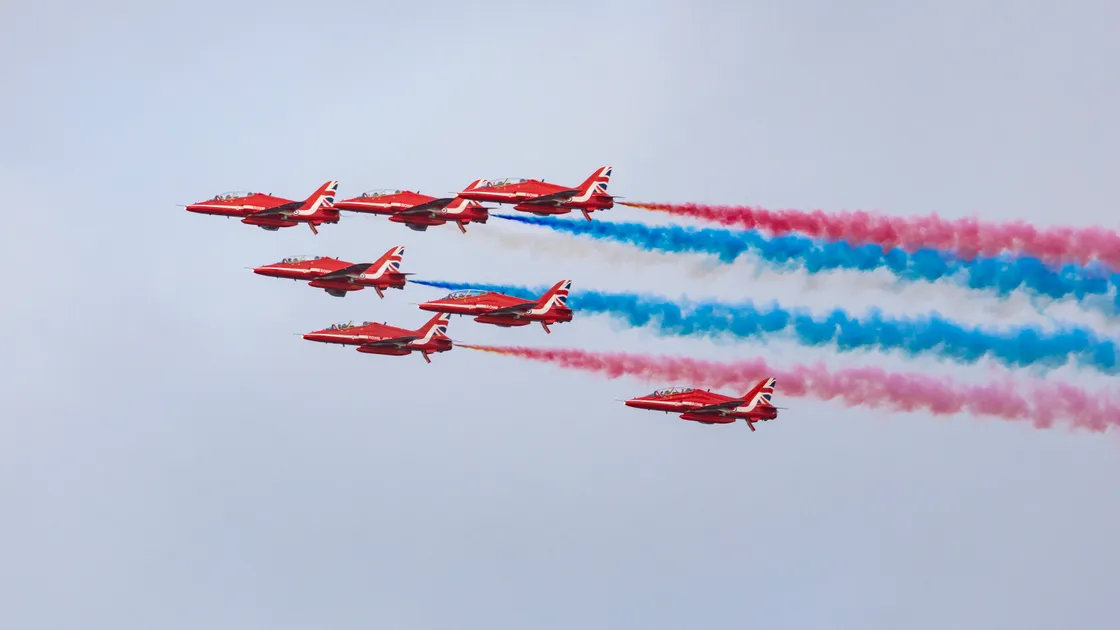
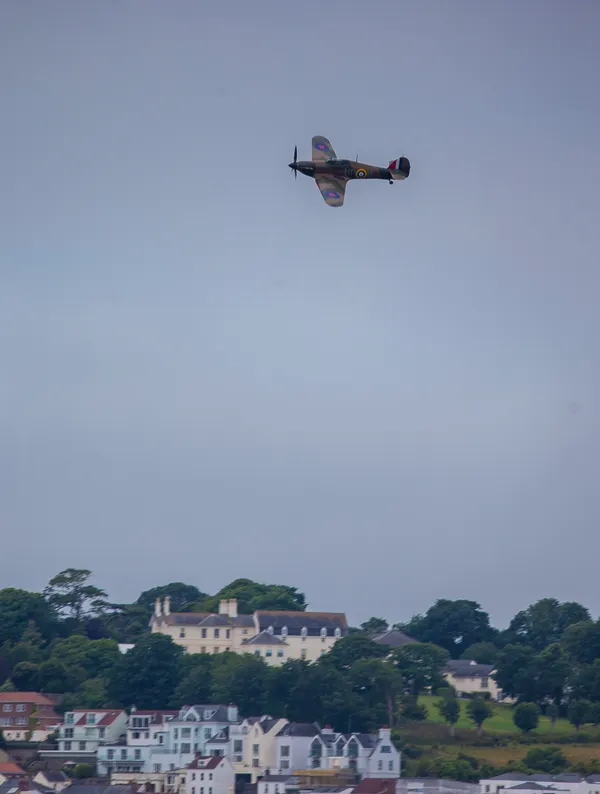
Guernsey's annual Battle of Britain Air Display has been enjoyed by thousands of people for over 60 years, hosting some of Britain’s most historic and treasured military aircraft alongside aerobatic and awe-inspiring display teams.
A free-to-attend event, the display commemorates the service and sacrifice of RAF aircrew; supports the preservation of historic aircraft; inspires the next generation of engineers, scientists and aviators; and helps raise funds for the Guernsey branch of the RAF Association, which supports former and serving personnel.
The display also delivers wider benefits to the island by attracting visitors, supporting local businesses and showcasing Guernsey as a place to visit.
Building on the success of the new evening time slot, the Guernsey Air Display Foundation wants to secure more funding to enable future generations to continue to enjoy and be inspired by this wonderful event.
To answer some frequently asked questions:
Why did the air display move to the evening?
The ultimate aims were to enable more people to watch the display and improve visibility for sponsors. Feedback has been strongly positive, with reports of families being able to enjoy the display together and for many to be able to watch for the first time in years.
How are aircraft secured for the display?
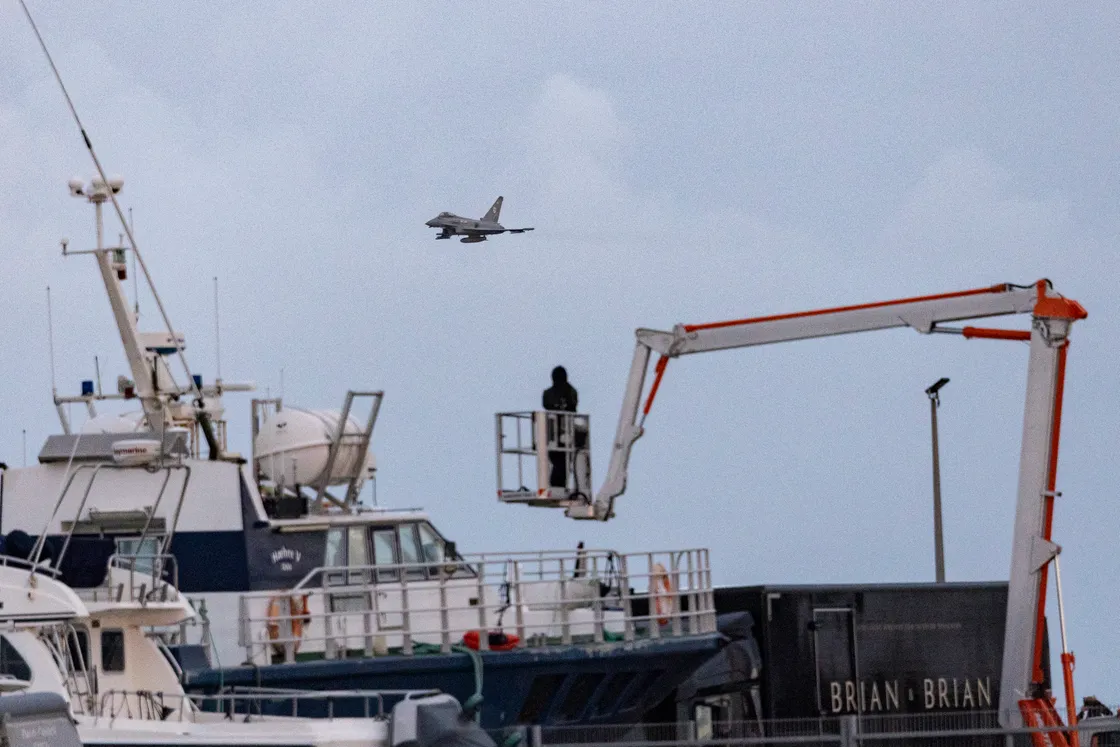
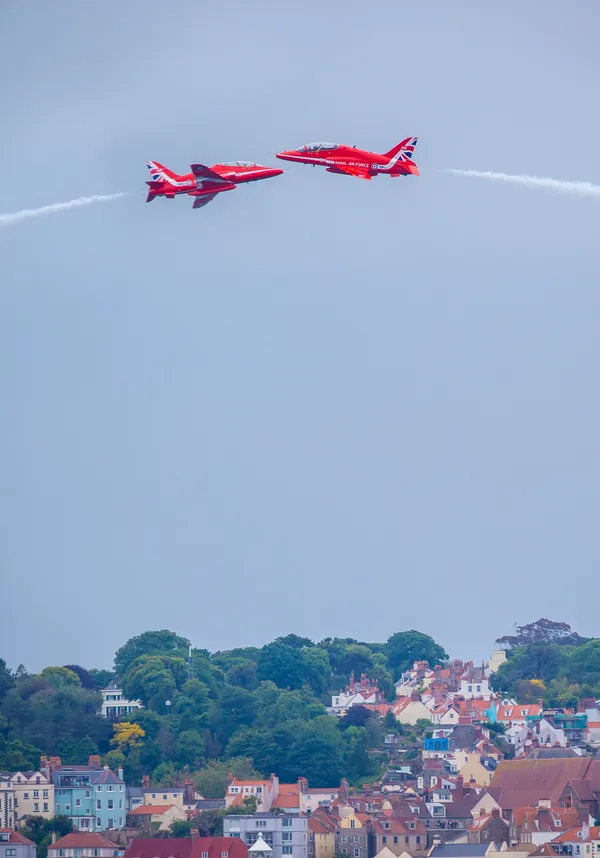
Organisers must apply to the RAF, Royal Navy and Joint Aviation Command for military display aircraft including the Red Arrows, Typhoon, Chinook and the Battle of Britain Memorial Flight. The Typhoon and Chinook are operational aircraft, not dedicated display assets, so availability can be limited particularly for weekday displays.
How much does the display cost and how is it funded?
Organisers aim to raise around £65,000 each year and the display runs to break even. Aircraft costs are around £35,000 including fees, accommodation, landing fees and fuel; public liability insurance costs £9,000; required professional fees £6,000; fixed operational costs £10,000; and creative and advertising £5,000.
Funding comes primarily from a consortium of local businesses supported by grants from the Committee for Education, Sport & Culture and Tourism Management Board, an underwrite from the Committee for Economic Development and the practical and invaluable support of Guernsey Ports and the airport and harbour teams.
There is a range of sponsorship opportunities from £850 to £3,450 to enable businesses of any size to support the event. Individuals can support through a friends scheme at £17.50 and donations of any size are welcome. Every pound really does count.
Is the air display sustainable?
The Guernsey Air Display Foundation is very aware of the sustainability concerns surrounding air displays and as a member of the British Air Display Association, they take advice from and are committed to the charter, which includes:
Eliminate single use items
Think green with your contractors
Facilitate public transport and active travel
Offset aviation emissions
Promotion sustainable aviation
The Guernsey display differs to many other UK and European displays as it only lasts a couple of hours rather than being a multi-day event, it is not based on an airfield therefore does not create large volumes of waste or infrastructure issues and although it attracts visitors, there is significantly less large-scale movement of traffic.
Action taken at a local level to become more sustainable involves choosing display teams who are actively taking steps to tackle climate change and have a shorter transit time to use less fuel, no paper programmes but QR codes and social media posts encouraging active travel and lastly, using locally sourced produce for the sponsor reception.
Carbon offsetting is a last resort and, while progress continues to be made by the aviation industry, we are researching offsetting the carbon footprint of the display. Any financial contribution will ideally support an on-island project so the benefits are felt locally.
Work carried out by the British Air Display Association has shown that less than 1% of the total CO2 emissions produced by air shows across the UK is caused by the aircraft in flying displays.
With the exception of the Red Arrows, the majority of the aircraft included in the display are usually propeller rather than jet engine.
The Red Arrows aircraft are now using a 50/50 mix of sustainable and normal fuel. The smoke is created using a biofuel called hydrotreated vegetable oil.
Air displays are a critically important way to guide and inspire the next generation of scientists, engineers and aviators, thus helping to support the UK’s aerospace industry and national security and address the challenges the air industry will face in the future to meet their net zero commitments. The majority of emissions are generated by spectator transport, meaning there is no reason for air shows to be considered as worse polluters than other events across the UK.
https://www.bada-uk.com/2022/02/environmental-sustainability-charter/
What is Educate and Inspire?
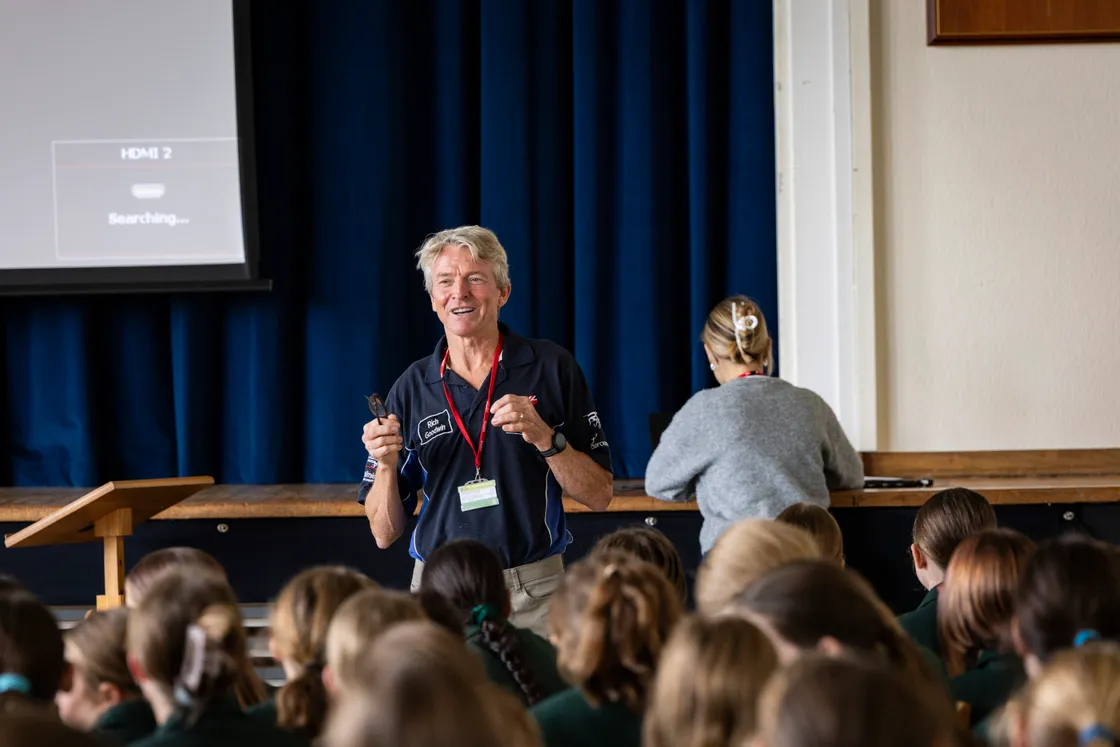
One of the pillars of the Guernsey Air Display is to educate and inspire young people around the history and future of the air display, the engineering challenges the aviation industry faces and military and civilian career opportunities.
Visiting pilots, crew, engineers and RAF recruitment officers visit schools across the island during the week of the display.
How does Guernsey compare to UK displays?
The Guernsey display stands up very well against displays with similar budgets in the UK and holds its own in terms of the number and quality of display items. It should not be underestimated how lucky Guernsey is to have the privilege of seeing the Red Arrows display here every September. Not many towns or cities in the UK can say that, so people travel significant distances to watch them, including to Guernsey.
What is the future of the air display?
We are not at the stage where the future of the display is under immediate threat. However, there has been a downward trend in corporate support of the display over the last five or six years, for a number of reasons: all Guernsey events are knocking on the same doors for sponsorship; the number of doors is getting fewer with mergers or companies leaving the island, and decisions are not always made locally but in a head office which could be in London, Geneva or further afield.
The display is a wonderful community event enjoyed by thousands of locals and visitors every year and has been for decades. However, if the current downward trend continues, there will come a time when the display is not viable. Once that happens, it will be incredibly hard to bring back.
Guernsey’s Air Display takes place on Wednesday 9 September, 6.30-8pm. See guernseyairdisplay.com for further information.





You need to be logged in to comment.