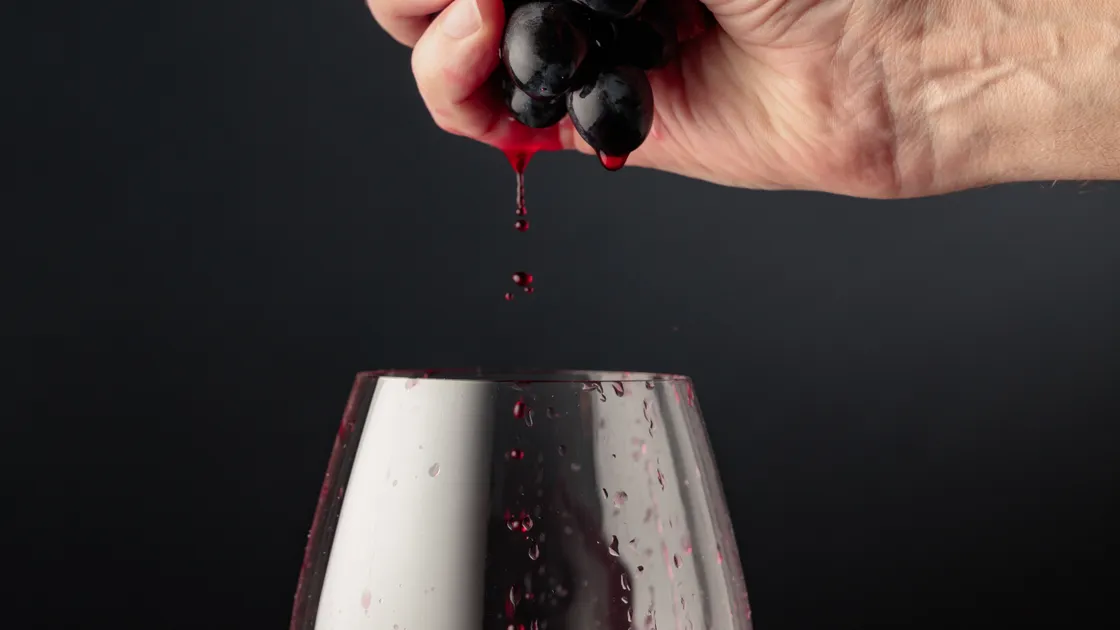
‘We stomp on the grapes, let them ferment, then put the liquid in the bottle.’ I was at a ‘natural’ wine fair when an Australian winemaker told me that was how they made their wine.
Essentially this is how wine is made – at its most basic level.
‘Natural’ winemaking is where the wine is made with as little intervention from the winemaker as possible.
The trouble is, wine is an unstable product and wine made this way can re-ferment, produce bubbles, turn cloudy and even change colour. The flavours are likely to be not what a consumer is used to either.
As a wine merchant I know that if a customer takes a bottle home and it is fizzy or cloudy when it is not supposed to be, he or she is likely to return the bottle as faulty. They will also bring a bottle back if the flavour is what they consider to be incorrect or ‘off’.
I have no bone of contention with this – wine after all, is supposed to be a pleasant luxury, not a challenge to our senses.
So first of all a winemaker must consider how much intervention they want to make. How much risk is he or she prepared to take.
Let us look at how wine is made. Alcoholic fermentation is the conversion of sugar by micro-organisms (yeasts) into equal amounts of alcohol and carbon dioxide as well as heat.
White wine is usually made from white grapes (it can be made from red too but let’s keep things simple).
They are crushed to express their juice and that juice (known as must) is settled to allow it to clarify. The must is then allowed to ferment using yeasts that are found on the skin of the grapes (though cultured yeast can be used too). After fermentation the solid remains are dumped and new wine run off into a container of some sort. It contains no more sugar and so cannot re-ferment.
Red wine differs in that it is always made from red grapes – it is the skins that usually give the wine its colour – though there are a few varieties that have red juice, these are pretty rare. The juice is macerated with their skins for typically two to three weeks. Occasionally a winemaker may decide to punch down the cap of skins that float to the surface or to pump the juice over the skins to break them up.
The juice is run off, and the skins pressed if thought necessary and the wine is bottled.
Pink wine is usually made by just macerating the skins of red grapes in the juice for a short time – the Italian firm of Pasqua makes a rose wine called 11 Minutes – that’s the time the skins are in contact with the juice.
Sparkling wine is made initially in the same way as white wine but after fermentation is complete more sugar and yeast is added and the wine is bottled and sealed. A second fermentation occurs in the bottle though this time the carbon dioxide cannot escape. The sediment is quickly removed, the bottle re-sealed so that the carbon dioxide stays in the wine. Once the cork is popped the carbon dioxide escapes as bubbles.
This is what is known as the champagne method – there are other ways to make sparkling wine but again, let’s keep things simple.
So that’s the basic physics of winemaking, other processes are totally at the discretion of the winemaker, and like his or her choices in the vineyard, how he or she makes his or her wine will be dictated by the style of wine they wish to produce and what best suits the grape varieties they are using.
As I mentioned earlier, a by-product of fermentation is heat and cool temperature fermentation has probably done more to change the way wine is made and how it tastes than any other single process in the past 50 years.
I once sat next to an Aussie winemaker who was involved in the early vintages of Australia’s most famous red wine, Penfold’s Grange (in the 1960s). The fermentation temperatures became too high one vintage and, being the youngest in the team, he was sent off to the local butcher to get some large chunks of ice to throw in the fermentation vats to cool them down.
It always makes me smile when I see the prices that early vintages of Grange are selling for – knowing that they were saved by a butcher in the Barossa and that a proportion of that juice started off life in a butcher’s freezer.
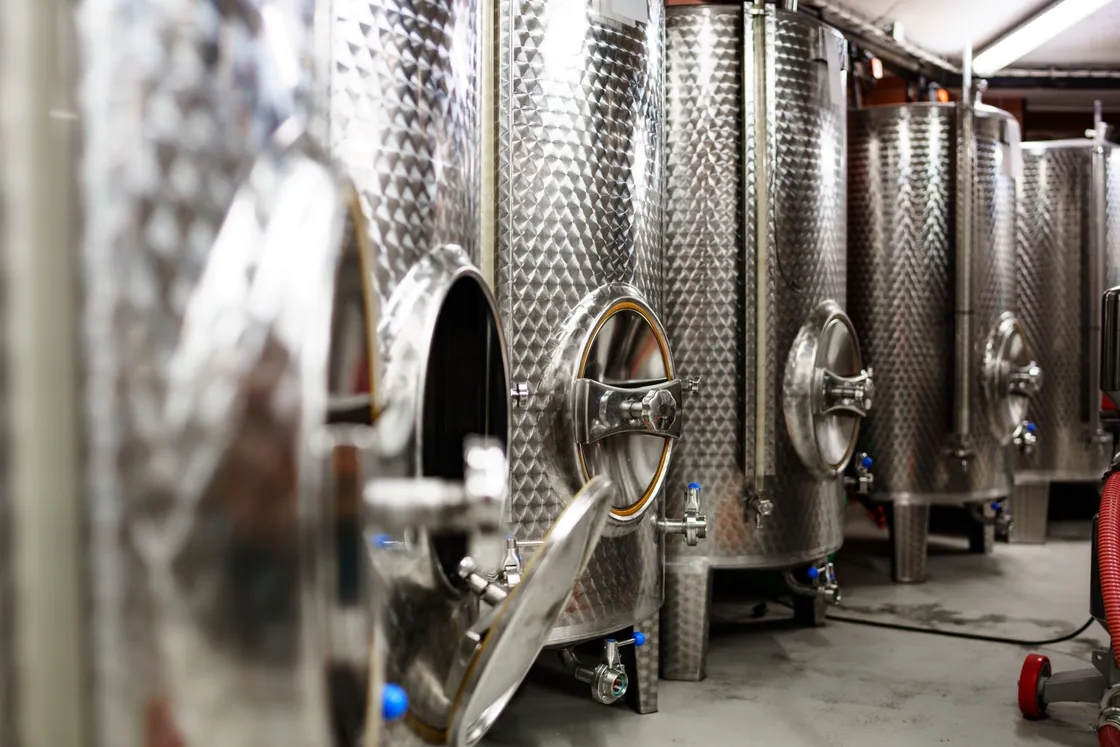
These days to keep fermentation temperatures cool, winemakers use technology that was initially invented for the dairy industry. Visit winemakers in hot climates and you are likely to see tall stainless steel tanks covered in condensation as the cooling jacket does its work. Cool fermentation (by which I mean around 14 degrees), keeps a wine fresh and fruity. Many of the crisp dry white wines we drink these days simply could not have been made 40 years ago because the technology to keep the must cool did not exist.
However, some techniques to make wine have existed for thousands of years. We will look at those next week.