Wine labels can deceive. A few years back I was on a French holiday and ambling round the local supermarket. As usual, my wife found me in the wine aisle. They were doing a Bordeaux promotion, one of which was Chateau Latour at 10 euros a bottle. I was beside myself with excitement and wondering how I was going to ask my wife if we could leave some luggage behind so that I could cram as many cases of this bargain of the century into the back of our car.
After all, Chateau Latour is one of the very few wines I have written ‘absolute perfection’ against in my tasting notes. It would normally retail for well into the hundreds of euros – assuming that is you could find any for sale.
Then I read the label properly. This was from Chateau Latour but not THE Chateau Latour, one of Bordeaux’s five First Growths. It was a simple Bordeaux Superieur that I doubt was even worth the 10 euros they were asking for it. Our luggage was safe and I did not have to face the wrath of my wife, but I wonder how many people were taken in by the confusion.
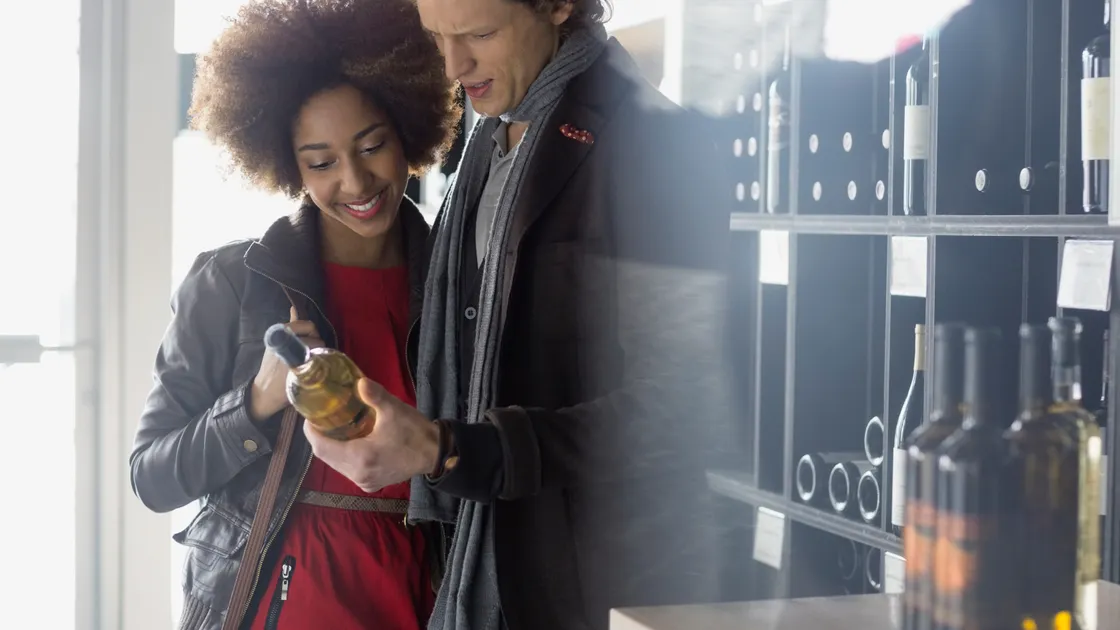
All wines on commercial sale must have a label. It could simply be a piece of white paper with the basic necessary legal information on it but that is hardly going to catch the eye of the consumer as they walk down the aisle of their favourite wine retailer.
The legal information varies from country to country but essentially in the UK it is the bottle size, commonly 75cl; the alcohol level by volume (usually abbreviated to abv); the country in which the grapes were grown and the country in which it was bottled if these are different; the producer; the vintage in which the grapes were grown if there is one – if it is from more than one vintage it should say NV or non-vintage; and for the past couple of years in the UK, the importer – this latter rule does not apply to Guernsey which most producers are happy about as they don’t have to print another unique label – so don’t worry if no importer is mentioned on any bottles you buy locally.
If the wine comes from one of the quality-controlled regions this must be on the label too – you will often see the letters AOC on French wines, DOC on Italian wines. DO on Spanish and QBA on German wines. New World wines tend to be less restrictive, though the USA uses AVA. There are other abbreviations used for regional wines that may not have followed the AOC or DOC rules.
If the wine is estate-bottled it means the grapes have been grown, made into wine and bottled in one place – on French wines you will see mis en bouteille en chateau/domaine/a la propriete.
You may also see the word cru on the label which usually indicates a vineyard of high quality.
Old vines or vieilles vignes is also quite common, though there is no legal definition of when a vine becomes old – most growers with a conscience say from 35 years, though many wines are made with vines that are much older than this.
On French wines you may also see the words Grand Vin. In Bordeaux wines this simply means it is the main wine from a chateau and not its second or third wine. For the rest of France it may be just a touch of ego from the producer.
None of this tells you what the wine is likely to taste like though, which should be one of the label’s major selling points, particularly if it is made with obscure grape varieties or in unusual places.
I should point out that there are generally two labels on wine bottles, a front label and a back label.
The front label normally gives you the basic legal information and the back label is left to the winemaker or their PR team to try to persuade you to part with your hard-earned cash.
Sometimes I do wonder though. The company I work for sells a cheap and cheerful Portuguese red called Escapada. The front label is simply a very nice picture – with absolutely no information at all, not even the country it comes from. Everything you need to know is on a plain back label. A bit style over substance in my opinion, though the wine itself is decent.
There are two main differences in labelling of European and New World wines – the European wine is likely to indicate where it is from – the New World wine which grape variety or varieties have been used. There may be no indication of grape variety of the European wine – if you buy a bottle of white Sancerre you are expected to know that it was made with sauvignon blanc.
Which finally leads me to tasting notes – which are there at the winemaker's discretion. I have mixed feelings about these – white wines that say they go with fish or red with meat seem pretty pointless to me.
However, they can help point the consumer to combinations that may be outside their experience – gewurztraminer with Asian-style food or St Emilion with dark chocolate for instance.
It also gives the winemaker the chance to tell the consumer if the wine is light or full-bodied, if any oak has been used in its make-up, and whether it is suitable for ageing.
Just ignore any flowery marketing gobbledegook.
As I hope I have shown you over the last few weeks, winemakers have a huge number of choices to make when growing their grapes and making their wine.
The final decision rests with you the consumer though. Is there enough information on the label to persuade you to buy it?