
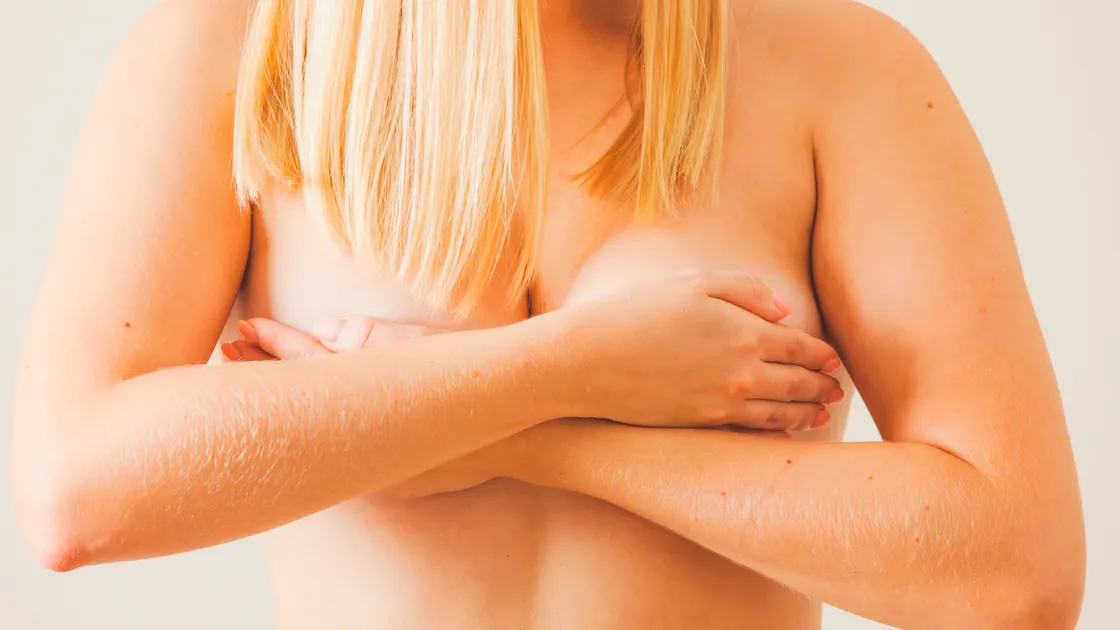
‘Check your boobs’ has become a mantra that I passionately repeat to family, friends and patients on a regular basis. Checking regularly really did save my life.
Back in 2019, I was 28 years old and I was on the cusp of finishing my general practice training. I noticed that my chest felt bruised after doing some burpees and when I checked, I found a lump in my right breast that was new.
I wasn’t worried. I was young and had little family history of breast cancer. I was seen quickly by a breast consultant and after examining the lump, he told me that he thought I had breast cancer. I had an ultrasound, mammogram and a biopsy, and after two long weeks of waiting it was confirmed. I had breast cancer.
What followed was a whirlwind of appointments, and an overload of medical information and decisions that needed to be made about my treatment.
I started chemotherapy within eight weeks of my diagnosis and had weekly chemotherapy for 12 weeks followed by a different chemotherapy for another nine weeks. I had a high risk of having another breast cancer, and so I made the difficult decision to have a double mastectomy. I had the surgery in March 2020, and thankfully, I have been well since.
Breast cancer is the most common cancer in the UK and will affect one in seven women in their lifetime. One in 250 women under the age of 30 are diagnosed with breast cancer. Men can also get breast cancer, but the risk is lower and affects one in 1,000 men.
The earlier breast cancer is detected, the better the chance of recovery. Getting to know what is normal for you and checking breasts and chests regularly – ideally monthly – is a powerful way to pick up changes early so that they can be checked.
If you find a lump or something that is different to normal, get it checked by your GP who may refer on to the breast clinic.
Breast cancer may not always show itself as a lump. There could be a swelling in the armpit, changes to the skin of the breast, a change in the size or shape of the breast, nipple discharge, a change to the nipple such as it becoming inverted or sores on the chest. If it is different to normal, get it checked. Checking breasts and chests is easy and only takes a few minutes. Start by looking in a mirror and look for any differences in size or shape. Then feel each breast in turn, which might be easier lying down. Check all of the breast including in the arm pits and up to the collarbone. The easiest way to do this is to start on the outside of the breast and follow a spiral inward ending over the nipple. Use two or three fingers in a circular movement with mix of light and firm pressure to check the whole breast. Then repeat on the other side. The CoppaFeel! website has a brilliant guide and has free reminder service which will text you to remind you to check: www.coppafeel.org/breast-cancer-info-and-advice/how-do-i-check
Another powerful tool in our armoury to pick up breast cancer at a treatable stage is screening. Routine screening prevents around 1,300 deaths from breast cancer per year in the UK. In Guernsey, breast screening is free and is offered to women aged 50-75 every two years. It involves having a mammogram, which uses x-rays to look at the breast tissue. Some women do find it uncomfortable as the breast has to squashed to keep it still while the images are taken, but it only takes a few minutes. The statistics for the success of breast screening are impressive, and for every 200 women that attend breast screening, one life will be saved.
There are other things that we can all do to reduce our risk of getting breast cancer. Cancer Research UK estimates that 23% of breast cancers in the UK are preventable. We know that obesity, smoking, alcohol and a sedentary lifestyle all increase the risk. For those of us who have already had breast cancer, exercise is a great way to lower the risk of recurrence and keep us well. Reducing my recurrence risk is something I think about often and it keeps me running, playing hockey and weight-training on a regular basis.
In an odd way, I am grateful for my cancer journey. It was an incredibly difficult time, but it changed and shaped me both personally and professionally. It helps me to see beauty and joy in everyday life, and it has given me an insight into what my patients may be feeling and experiencing when they are unwell, waiting for results or coming to terms with an unexpected diagnosis. It will always be a part of who I am now, and I aim to use my experience to encourage others to look after their own health.
So don’t forget to check your boobs.


You need to be logged in to comment.