
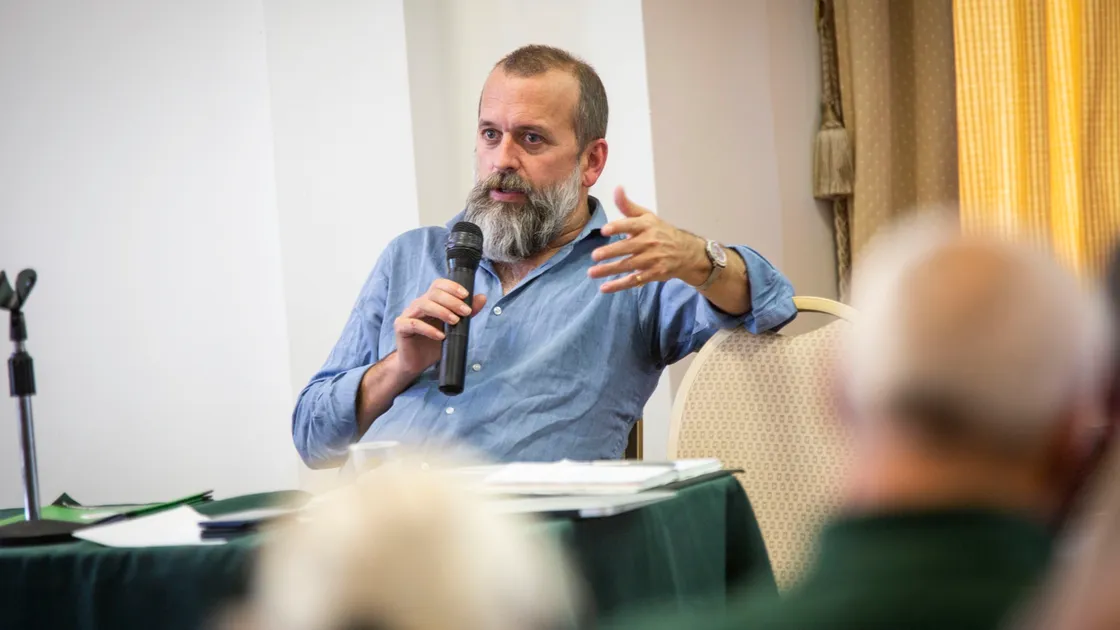
Two public meetings organised by local conservationists were packed full and both heard from UK and Guernsey speakers about the growing international examination of the dangers of using pesticides.
The local Pollinator Project arranged the meetings to raise awareness about the damage pesticides and chemicals cause to the environment and the risk to human health.
Speaker Nick Mole from Pesticide Action Network UK said because of its size and flexibility Guernsey could lead the way.
‘I think there’s a lot that’s exciting about Guernsey because it’s small, it’s contained, so you could really do some interesting stuff looking at the benefits for urban biodiversity or biodiversity in general from reducing pesticides. This could almost be an experimental island, you could get some really interesting results by monitoring what goes on. That could then be applicable elsewhere.’
Alternatives to pesticides were put forward, such as old-fashioned hand-weeding, hot foam and electrical currents.
Mr Mole is a big fan of embracing ‘more weediness’, which means allowing parts of gardens and public spaces to grow wild, such as the meadow areas by Fort Road at the top of Le Val de Terres.
He admitted that a change in mindset was needed for that to become widespread.
‘We have to communicate the benefits to the general public and changing their expectations is key to winning this battle. There’s nothing intrinsically less beautiful about a dandelion than a rose, for example, it’s just our perceptions of it.’
The States recently debated whether to ban glyphosate-based pesticides such as Roundup, but the idea was thrown out by deputies, and according to Mr Mole, that was a missed opportunity.
‘If you look at the one example of glyphosate, the weight of evidence would lead anybody sensible to take a precautionary approach to its use, and that approach is to stop or drastically reduce the amount that’s used – and that should be our thinking on pesticides in general.
‘I’d recommend a ban in general on pesticides, certainly on the streets and pavements and around schools.
‘There is no need for it, it’s lazy, it’s old-fashioned and it’s unnecessary.’
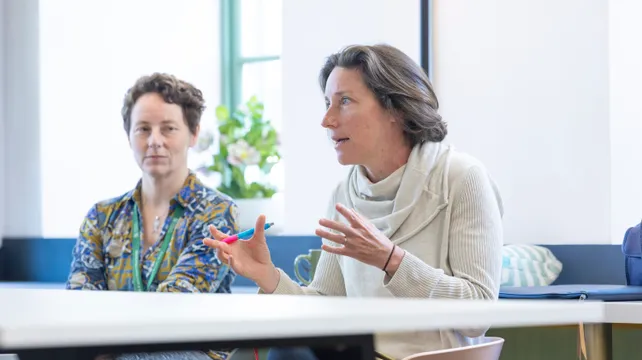
Another speaker, Rosi Rollings, had turned her passion for bees into a thriving nursery business that specialises in plants which boost bee populations.
The world has seen a severe decline in the number of bees and Mrs Rollings is spearheading the British effort to protect bees and allow them to continue to provide their vital free service.
‘It’s absolutely getting worse, although honey bees are actually on the increase because it’s becoming such a popular pastime in the UK, but wild bees are definitely on the decline – and it’s not just bees, it’s all insect life, we’re not just losing species we’re losing the mass.
‘You might have heard of the windshield factor, you used to go for a long drive and have a splattered windshield, but now you don’t.’
Mrs Rollings urged her audience to try to embrace creepy crawlies and she echoed Mr Mole’s opinion that the island had a unique opportunity to show the rest of the world what could be achieved.


You need to be logged in to comment.