
This is part of a broader plan aimed at increasing biodiversity.
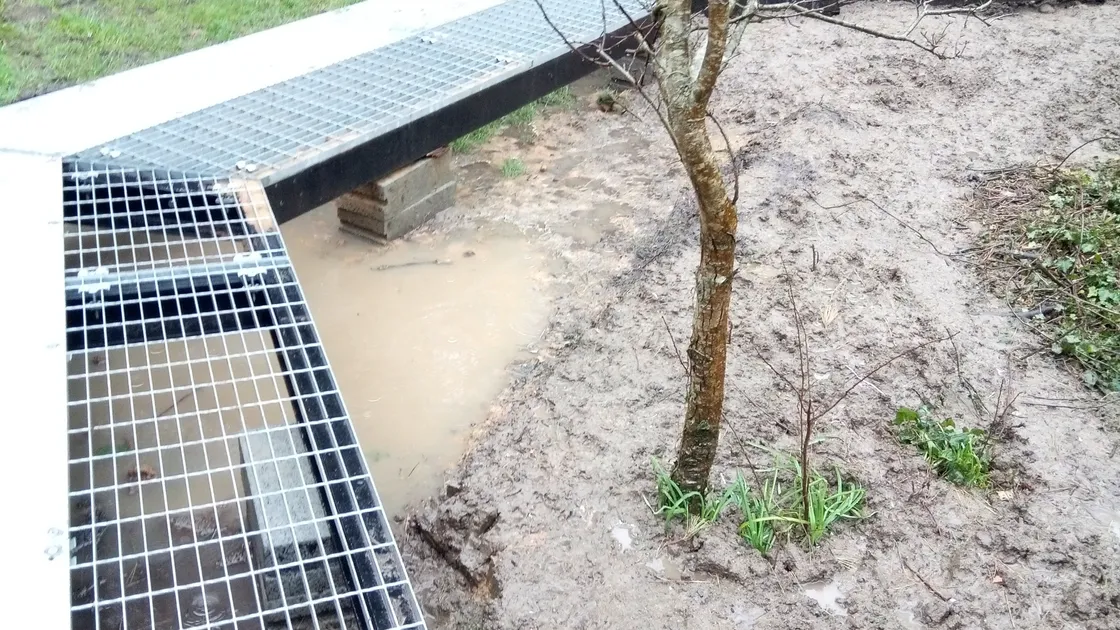
The walkway was installed at the bottom of the quarry, allowing it to be traversed even when waterlogged in winter.
With it installed, water can be trapped underneath to develop a standing water habitat in winter for freshwater invertebrates, which in turn provides a key food source for the birds and bats that nest around Le Guet.
At wetter times of the year, the area can also now be used for educational activities such as pond dipping.
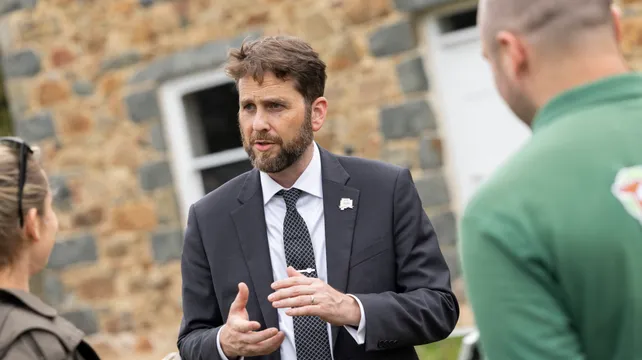
‘The biodiversity strategy is a policy priority for the committee and the work delivered by Agriculture, Countryside & Land Management Services, in partnership with the community, is very pleasing,’ said Environment & Infrastructure vice-president Mark Dorey.
‘Le Guet is a wonderful asset to the community and is home to species of woodland flora and fauna which play an important role within the wider ecosystem.’
The Monterey pines that dominate Le Guet are non-native and do not support as many species as a native broadleaf woodland.
As these pines are mostly approaching the latter stages of their lives it offers an opportunity to restore the biodiversity in the area.
It is hoped the ongoing conservational development and the planting of native trees will create a diverse, multi-layered canopy, home to a wide variety of plants and animals.
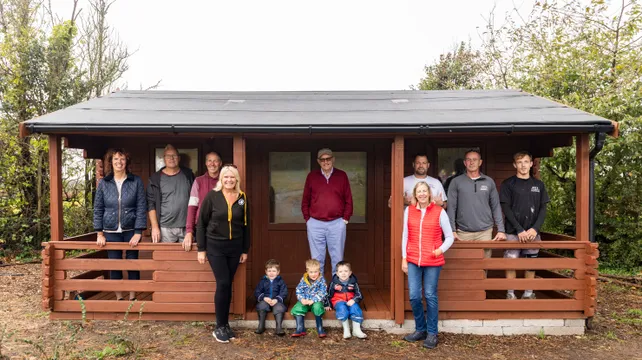
ACLMS thanked conservationist Vic Froome, Channel Welders, Guernsey Crane Services, Guernsey Trees for Life and Bob Froome & Sons for their contributions to the walkway.

You need to be logged in to comment.