
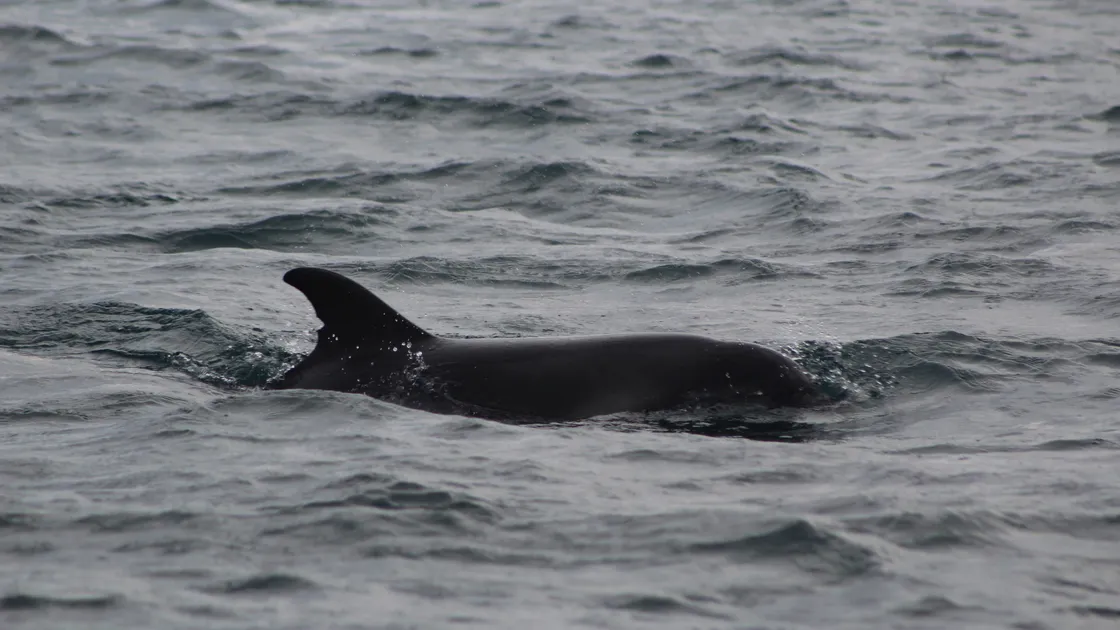
The island has a range of cetaceans in its waters all year round, including bottlenose dolphins, common dolphins and harbour porpoise.
Some are known to be repeat visitors.
Last summer, Risso’s dolphins visited and minke whales often appeared offshore.
In recent summers, there has been a large increase in the numbers of these cetaceans.
It is thought that this could be for a variety of reasons, from foraging for food to mating and raising young.
However, local experts are not yet fully aware of why there has been such an increase in dolphin numbers over the past few years.
Nicky Harris, co-ordinator of the DolFin Project, said: ‘We have had more sightings of dolphins with calves this year around the island, so it is definitely an indicator that some species are using the Bailiwick as a refuge and nursery ground.
‘The resurgence of bluefin tuna in the Channel area around us also indicates how healthy our fish stocks might be.’
Dolphins are a great way of demonstrating marine ecosystem health as they can transit to wherever best suits their needs.
The fact that Guernsey waters have been experiencing an increase in marine biodiversity with their presence comes in stark contrast to the vast majority of natural systems currently around the world.
Not all cetaceans want to interact, harbour porpoise are famously shy and will slip away from sight as soon as a boat approaches.
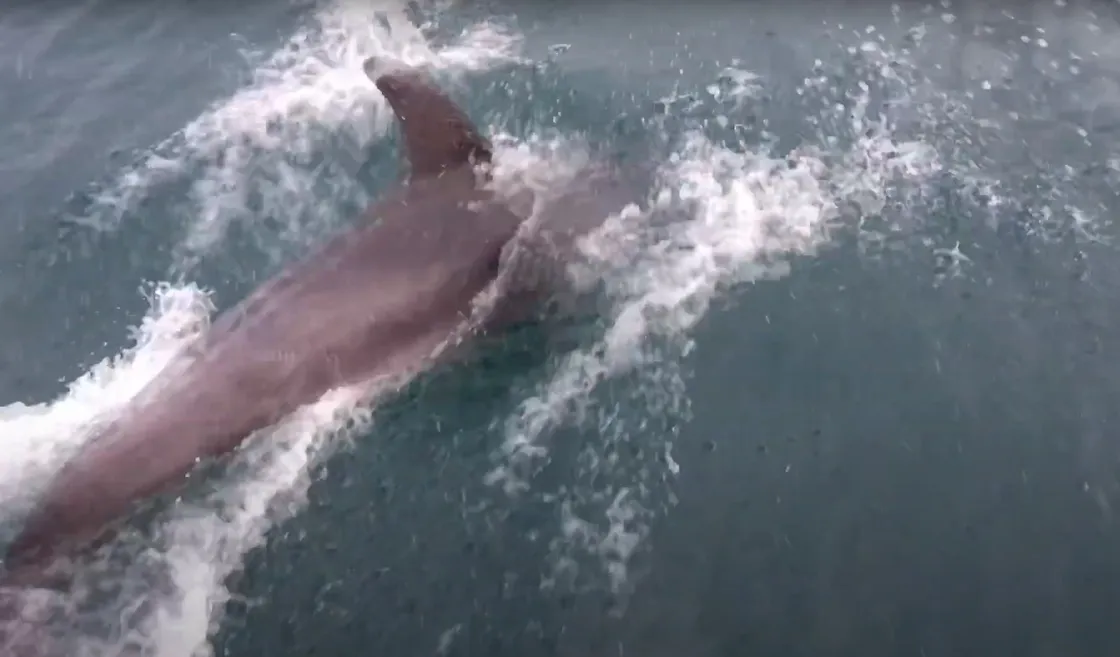
However, dolphin species such as bottlenose and commons tend to be much more curious and will come up to peak at boaters (this is called spy hopping), perform some amazing aerial leaps or bow ride if they are in a playful mood.
Bow riding is when they ride the pressure wave that is created in front of a boat as it travels, much like a surfer riding a wave. Elsewhere in the world, dolphins have even been seen bow riding off the front of humpback whales.
Ms Harris said: ‘If you are a boater that is nervous about this then the key things to remember are: don’t change direction suddenly, don’t go too fast (and stop if unsure) and don’t suddenly speed up.’
IT is the Sea Watch Foundation’s national whale and dolphin week, which aims to get the public more interested in monitoring for cetaceans around Britain.
What is the DolFin Project and how can the public help?
THE DolFin project was set up to find out more information about the cetaceans Guernsey sees in its waters and understand fully why there has been an increase in numbers.
Last year the project focused mainly on bottlenose species, but now would like to hear of any cetacean sightings to build up its dataset and start to look at abundance and distribution.
Anyone with any sightings of dolphins should email details such as time, date, location and numbers through to dolfinproject@outlook.com or the Facebook group Dolphin Spotters Guernsey.
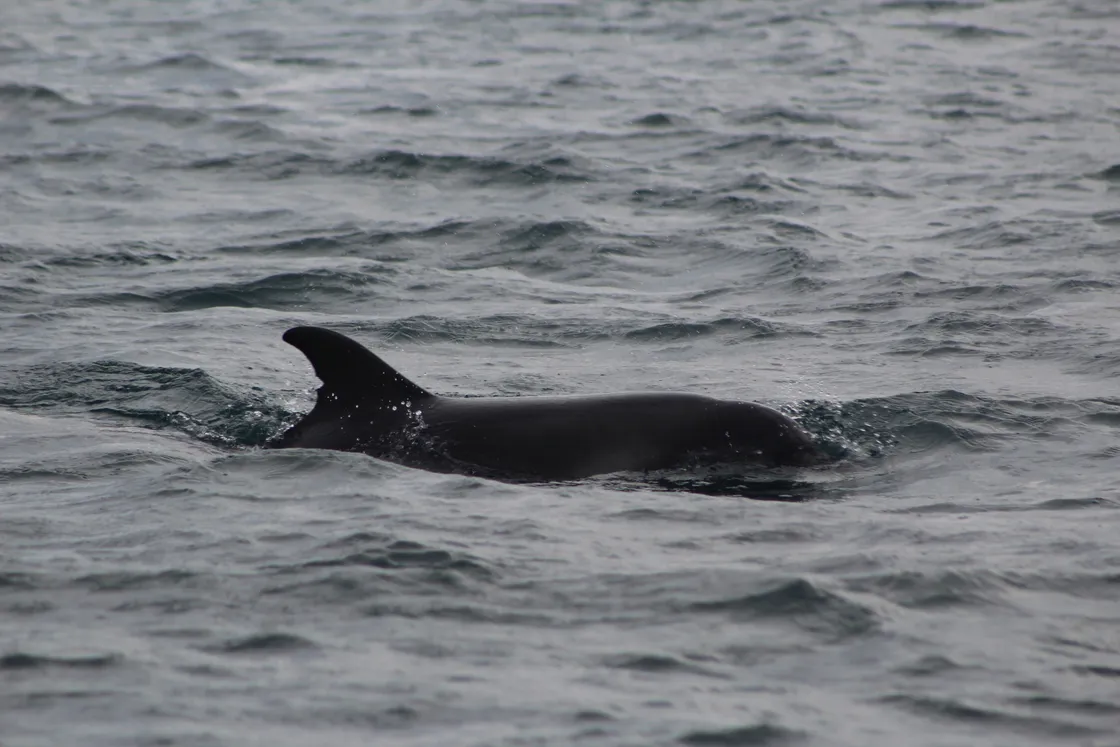
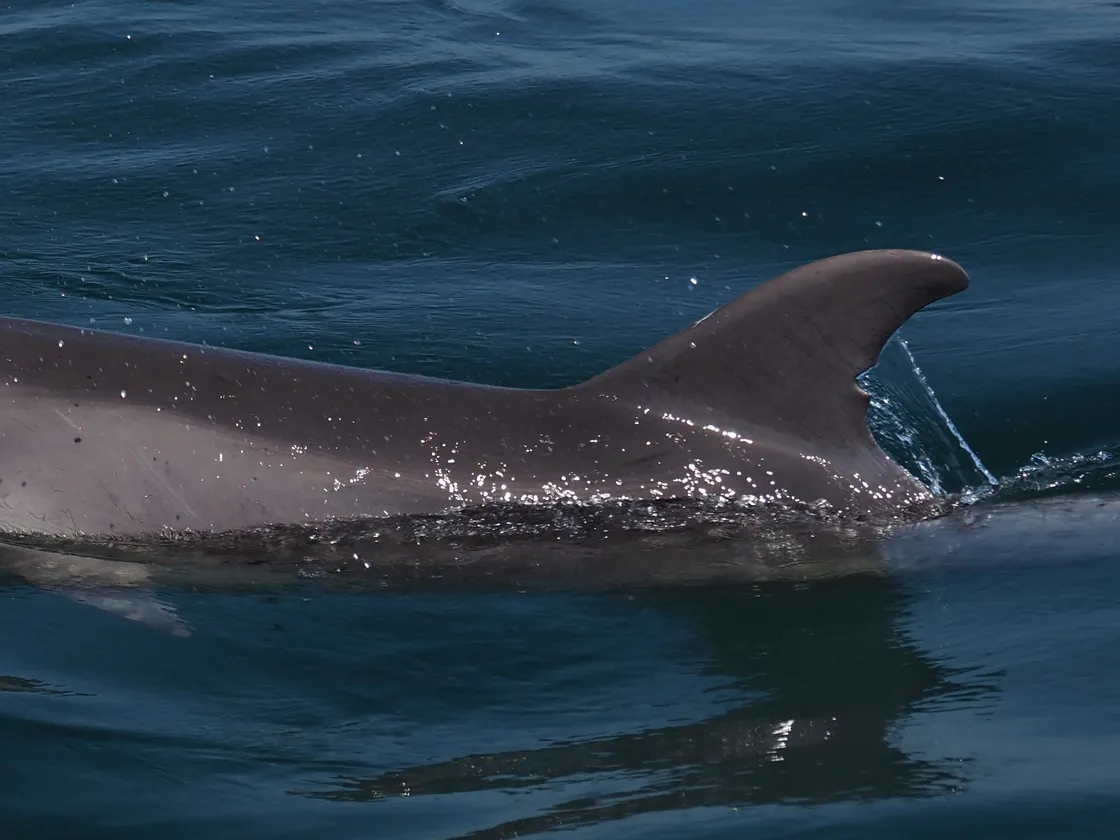
Videos and photos are also really useful to the project, as not only do they show species and behaviour, but they might also show clear fin shots.
Cetacean fins are unique to each individual – like human fingerprints – and can therefore be used to build up an ID dataset.
The DolFin Project already knows of one regular bottlenose dolphin (named Trevor, after the late Trevor Mahy) who has been coming to local waters for the past three years.
They will soon be launching a new website – www.dolfinproject.org.gg – where the public can upload sightings and find out more about the project.
Guernsey Harbours guide on interaction
Guernsey Harbours has released a guide for people on the water to ensure their own safety and the safety of the marine animals:
Try to keep 100m away from dolphins – about the length of a football pitch – unless they approach you.
This is particularly of importance around summer periods as some of the cetaceans may be heavily pregnant or have young calves with them and are therefore more cautious.
If dolphins do approach you, either stop or try to keep at a slow constant speed with no sudden changes in direction. Bow riding may happen – but do not drive over animals to try stimulating the behaviour as this could result in serious injury. Additionally, do not cut-off or separate individuals in a pod, as this can be very distressing.
Try not to overcrowd dolphins and have a maximum of three vessels observing at one time. If there are vessels already around, stay back and wait patiently, or come back to the location at a later time.
Do not try feeding any dolphins with any foods as it is dangerous to you and very bad for them.
Do not try touching or swimming with cetaceans – they are very large and powerful wild animals (who can be aggressive if their personal space is being invaded) and who can also transmit diseases.

You need to be logged in to comment.