

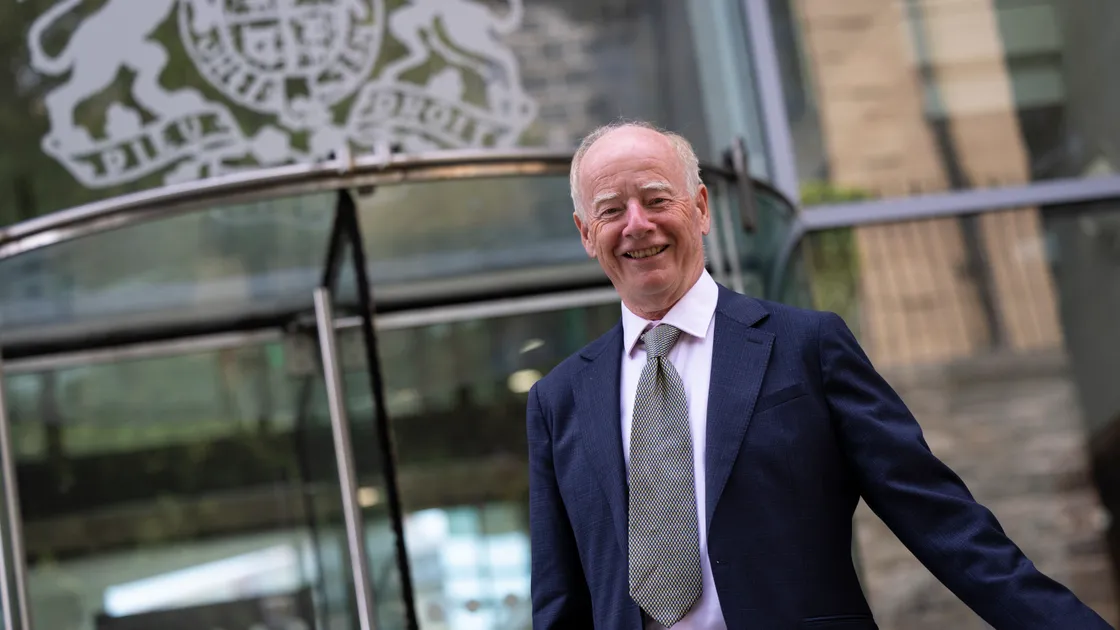
He would like to see an expansion of services provided outside of GP appointments, which now typically cost patients at least £70, although he accepted that the States had little spare cash to throw at the problem.
He said his new committee would resume talks with primary care providers which stalled during the previous political term.
‘It’s more about helping the people who are in the grey area, who are not covered by the States and where a £72 fee is clearly a problem to them,’ said Deputy Oswald.
‘In terms of reducing that cost, we can’t because we don’t have the money for it, but what we should do is make sure that when you need to see a doctor, and when you need to pay £72, that’s for a genuine reason to see a medical practitioner, and not for something like just going to get a replacement repeat prescription and sign on the dotted line, which is a particularly iniquitous issue for many people.
‘Similarly, lots can be handled by paramedics. And the UK has moved well ahead of us in the role of the pharmacy, particularly in terms of prescription reviews and repeat prescriptions, and we need to make sure that our practice locally matches up with that which is at its best elsewhere.’
At present, the States subsidises primary care costs in three ways.
There is a standard subsidy of £12 for a consultation with a GP and £6 for an appointment with a nurse, but these figures have remained unchanged for many years. Children have been able to see a doctor for £25 since funding was re-allocated from the family allowance scheme. And recipients of Income Support do not pay for primary care at the point of use.
A survey carried out three years ago indicated that thousands of people had a health concern but had avoided seeing a GP because of the cost.
However, there were high levels of satisfaction with other aspects of primary care locally, most of which is supplied by private providers.
‘We must not throw the baby out with the bath water,’ said Deputy Oswald.
‘We are fortunate to have a primary care service whereby if you need to see your doctor you can. You don’t have to queue on the telephone at 8am on a Monday to get an appointment in three weeks’ time. We are very fortunate from that point of view.’
Deputy Oswald was unopposed in the election for a president of the Health & Social Care Committee last week, and his four nominees to sit as members of the committee were also elected unopposed when the States met yesterday.
He was previously a consultant physician, twice chairman of the Medical Specialist Group, and led the introduction of a scheme which allows diabetes patients to obtain repeat prescriptions more easily and less expensively.
He said he had been encouraged by discussions with some GPs about the need for reform.
‘I have had conversations with a number of primary care doctors at a pretty senior level and they do see the issues that I have raised,’ he said.
‘Whether we come to the same conclusions about how to sort them out is another matter, but we’re in the process of co-operative working, and I would hope that between us we could sort something out which would help some of the more disadvantaged members of our society.
‘I think there is a mood among GPs to try to do that.’


You need to be logged in to comment.