

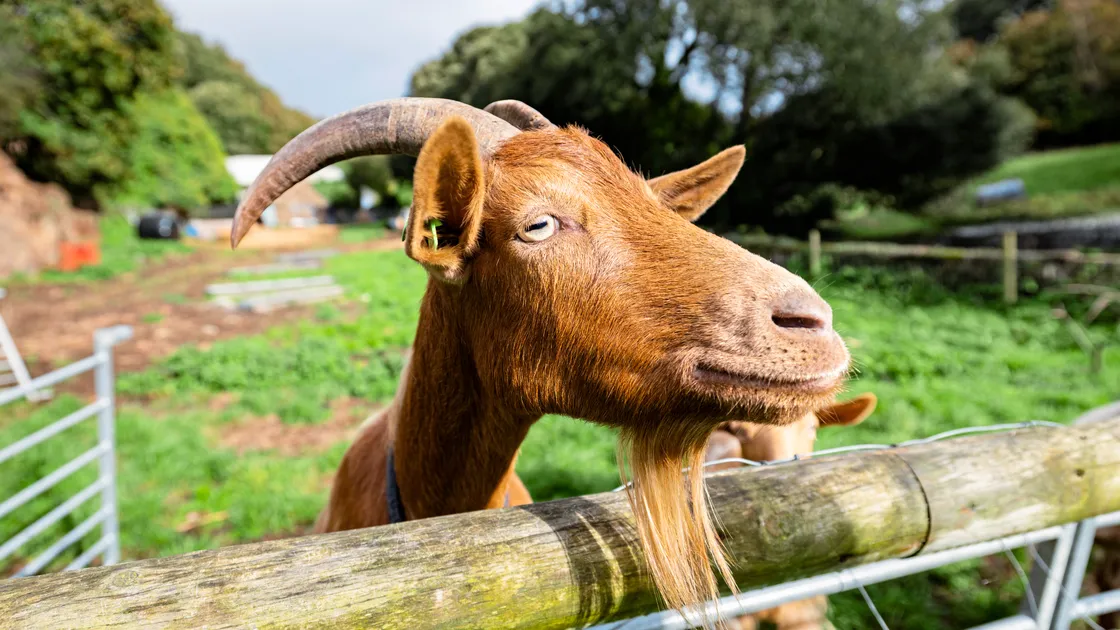
That was the stark message from delegates from as far afield as America who were invited to a two-day symposium, organised at Government House, on securing the future of the island’s native breed.
Breeder and co-owner of the Golden Guernsey Goat Farm in St Peter’s, Peter Girard, addressed attendees.
He said the island needed to understand how in peril the breed was and what Guernsey would be losing if the status quo did not change.
‘Firstly, we need more breeders and animals,’ he said.
‘In 2023 we were the only place to breed and there are only three or four breeders on the island at most.
'Nearly all those animals are from kids that came from this farm. We have a unique animal here and the island should be making much more of it. I’m 71 and we can’t go on forever. We would like to be winding down but can’t as we are sustaining the breed.’
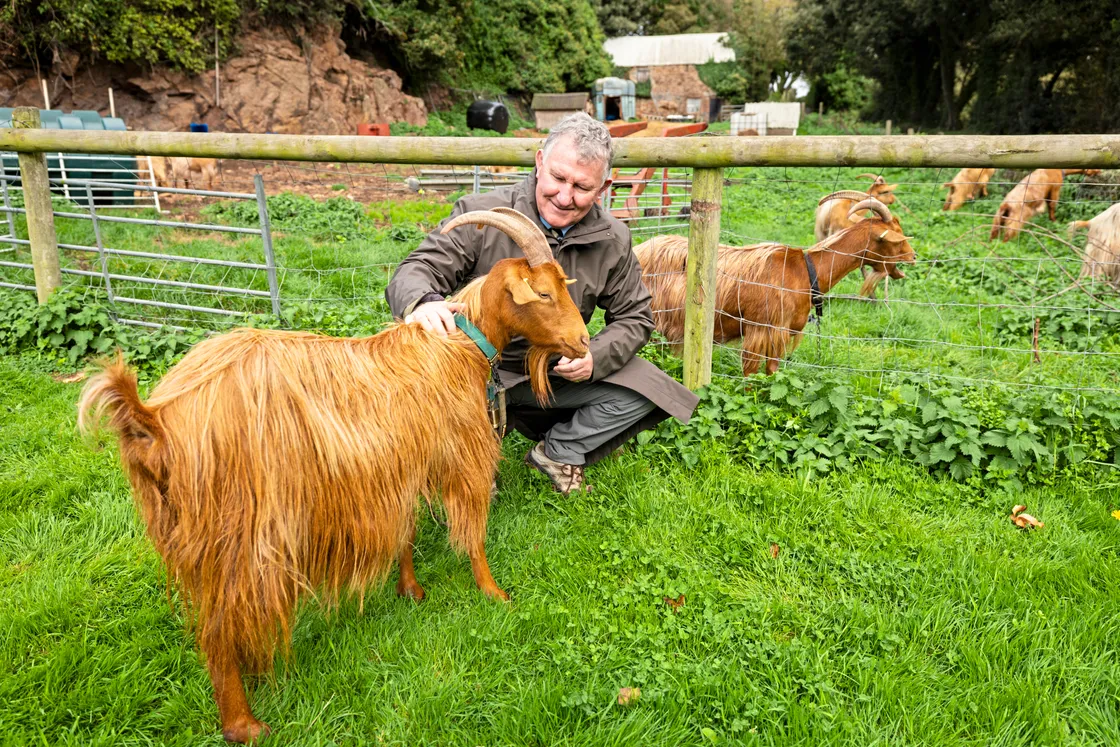
The aim of the event was to bring together local, national and international experts to address challenges and develop a long-term plan for the breed’s survival, while also exploring its potential benefits to the island.
There are currently fewer than 100 female goats on the island, and Mr Girard’s wife, Mandy, said 40 of those animals were too old to breed.
‘There are only 12 billy goats, nine of which we own, and the others are related to ours,’ she said.
‘We all hope this symposium will be a turning point as we don’t have a future if things don’t change.’
Attempts to widen the genetic stock have been hampered by restrictions on the importation of livestock and semen due to diseases, such as ‘blue-tongue’, a virus transmitted by midges, not found in Guernsey.
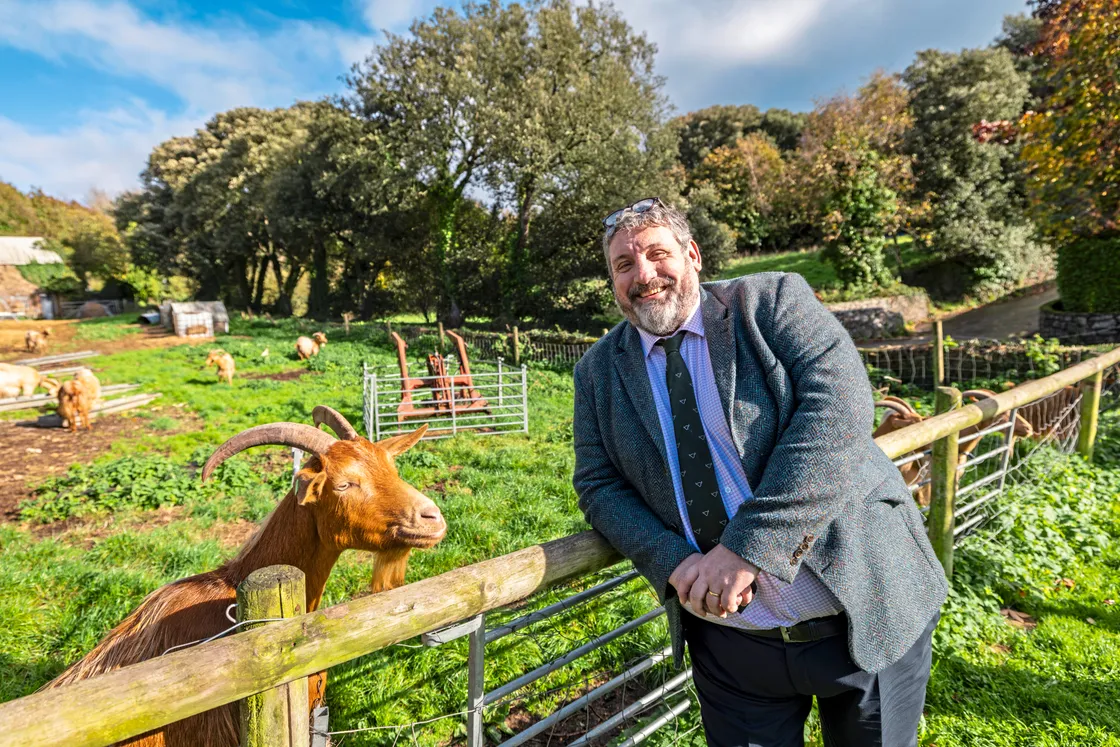
The Royal Golden Guernsey Goat received its title from His Majesty The King in July last year, recognising the breed’s unique contribution to the Bailiwick’s agricultural and cultural heritage.
Lieutenant-Governor Lt-General Sir Richard Cripwell, who was behind the event, said this had been a wonderful gift to the island.
‘But that comes with responsibilities. You need to make sure that the breed is healthy and secure for the future.’ he said.
‘I thought it was appropriate to bring together people and expertise in Guernsey, from the United Kingdom, from the United States, to take a health check because what I really want is to make sure that the breed is safe and secure for future generations on this island.’
One hope is that the use of Royal Golden Guernsey Goats could be broadened into conservation.
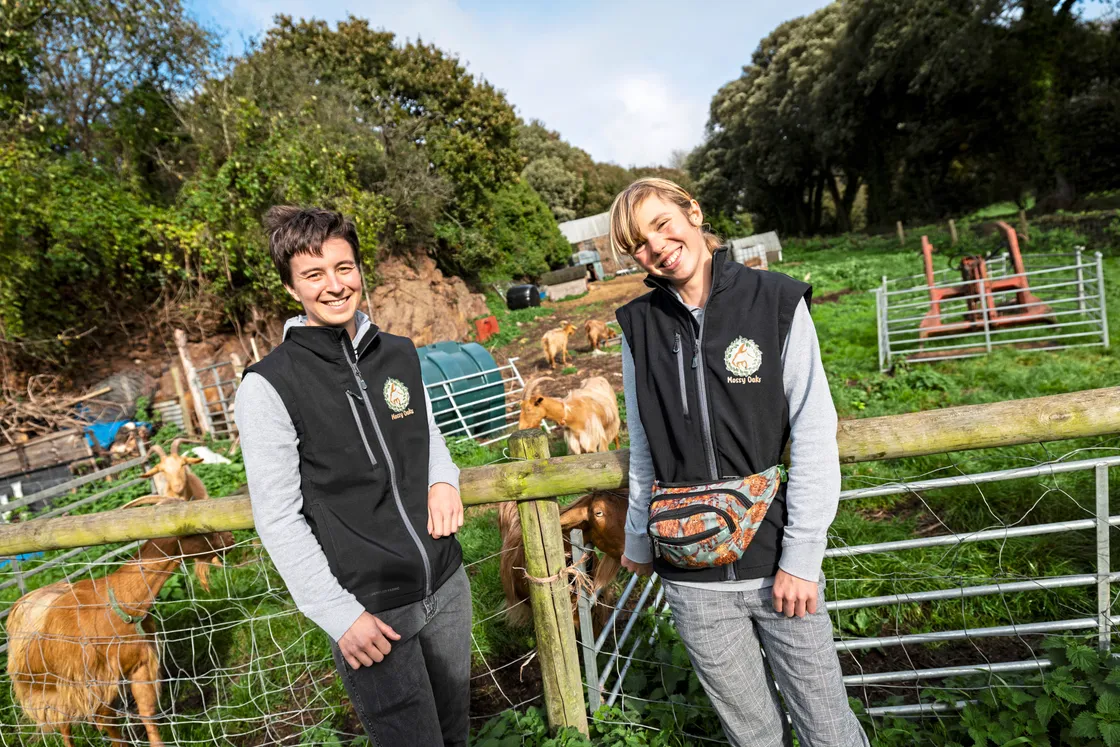
Among the delegates were Danni Welstead and Oli Harris from Mossy Oaks Conservation herd, who were invited after an article about their work with Royal Golden Guernsey Goats in Yorkshire was featured in the Guernsey Press.
‘Conservation grazing is already done here with Guernsey cattle,’ said Miss Welstead.
‘But you have another incredible native breed, who are much better at tackling gorse. It’s really an extra USP for the breed.’
However, she added that genetics was an issue in the island’s population.
‘Unfortunately, there are lots of restrictions on animal movement, which at the moment makes it illegal.
‘In the long term goats will need to be brought over, and if we can contribute in some way, we’d love to.’


You need to be logged in to comment.