

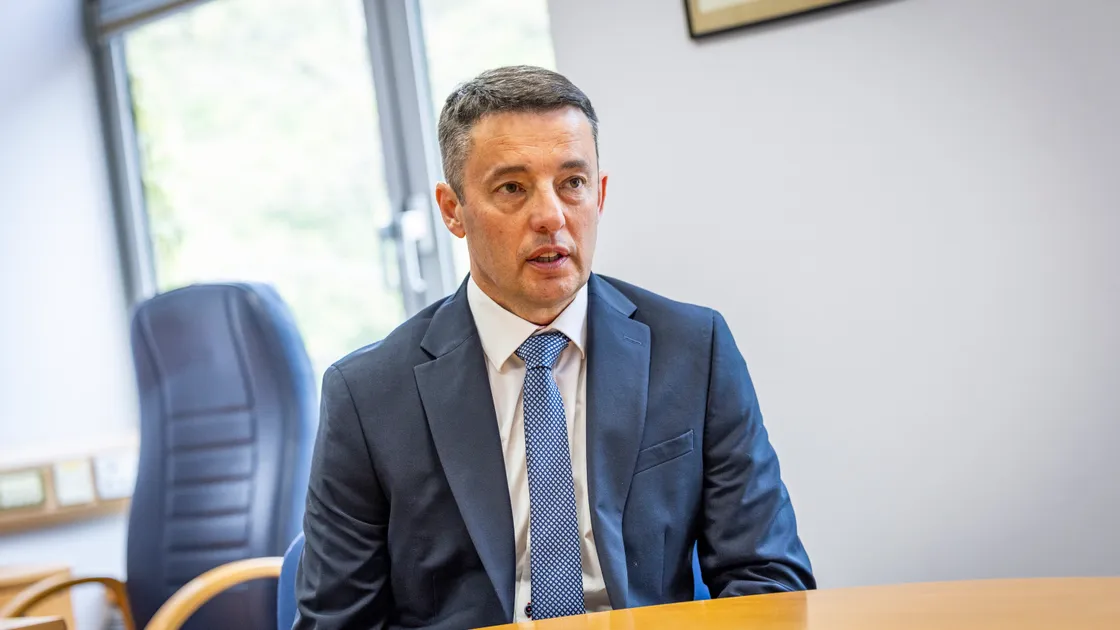
After a five-month investigation, States chief executive Boley Smillie blamed the failure of the MyGov project on a combination of poor leadership, weak governance, inadequate financial controls and an over-reliance on external contractors, particularly Agilisys.
His damning report, published today, concluded that the project to centralise customer services ‘went wrong on multiple levels’ and ‘did not deliver what the people of Guernsey were promised, nor what they deserved’.
It sets out a series of actions which Mr Smillie said would ‘ensure these failures are never repeated’.
They will include leadership changes, a new approach to project management, the reintroduction of chief officers of principal committees and reducing reliance on external contractors.
Mr Smillie insisted that he had put everything he wanted in the report, and had not been prevented from including the names or job titles of senior officials most responsible for the MyGov failure. He accepted that there would be some political and public frustration about their omission.
‘I have already made a commitment that there will be leadership changes relating directly and indirectly to this programme,’ he said.
His investigation found that some staff had been treated unfairly after raising concerns about the unfolding problems with the MyGov project. He said he did not want to do something similar while dealing with the aftermath.
‘My style of leadership is not about conducting these difficult conversations in the public arena,’ he said.
‘All people really need to be concerned about is that I am absolutely accountable, having raised this issue and having investigated this issue, for delivering the reforms needed to make sure something like this will never happen again.
‘The accountability for what happens next sits entirely with me. I will make sure that everything I have found is dealt with, and that’s the assurance I give people reading this report.’
Mr Smillie finished writing the report late last week and briefed States members about it yesterday.
He said he started taking actions immediately, which are believed to include discussions with one or more senior officials who are expected to leave their jobs.
Mr Smillie said that the three most important changes which he now wished to see were improved governance of large projects, a better approach to managing change, and placing more trust in the judgement and experience of middle-ranking and front-line staff.
‘The time for analysis has passed. The focus now is on action. Some changes have already been implemented and others are under way,’ he said.



You need to be logged in to comment.