
Last year there were 67,000 sick days taken across the public sector, up from 60,000 in 2023. This is an average of 11.4 days per employee over the course of a year, up from 10.8 days two years ago and higher than in Jersey, according to figures provided by the Policy & Resources Committee.
More than half of all sickness absence is linked to long-term sickness, defined as periods of more than four weeks.
At the end of last year there were 117 employees across the whole public service on long-term sickness absence and the average length of that sickness was 60 days.
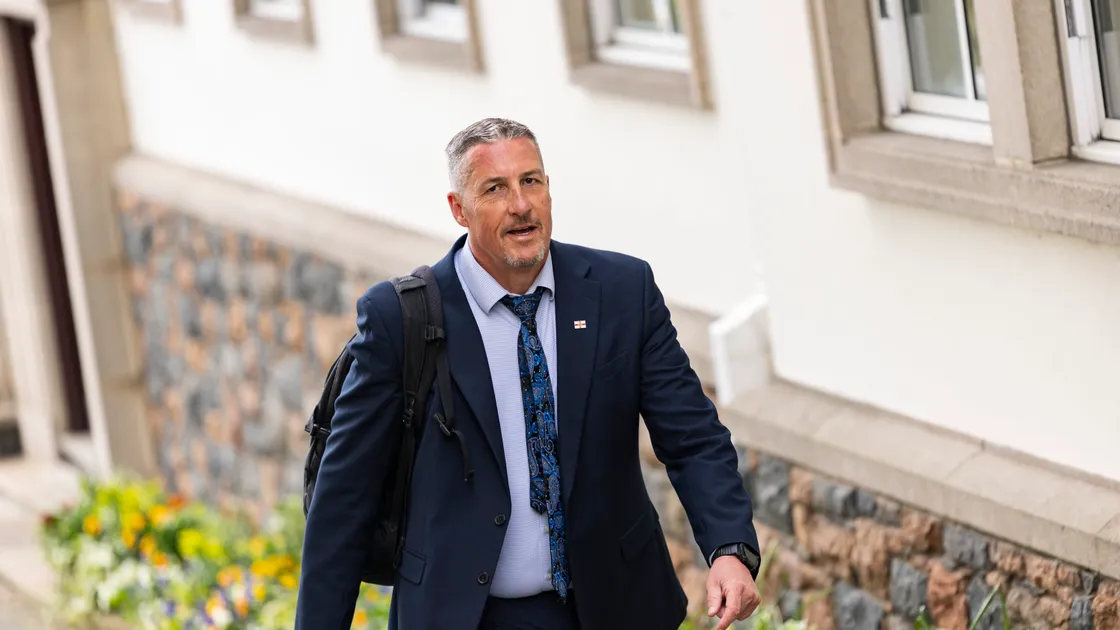
Deputy Andy Cameron said that he posed the questions not to criticise staff, but to highlight the growing pressure on those still turning up every day and having to carry extra workload when colleagues are absent.
‘That thought process actually came after a training session with Guernsey Mind, which focused on wellbeing, stress and how workplace pressures can build over time,’ he said.
‘If we want better outcomes, the answer is not blame. It is better systems, modern digital services, sensible workloads, and proper support for the people delivering them.
‘When absence rises, the pressure on remaining staff rises too, damaging morale, wellbeing and retention. It quickly becomes a vicious circle, where higher stress and heavier workloads make it more likely that others end up going off sick as well.
‘Many civil servants I speak to say this is their number one gripe about working in the system. People who are unwell absolutely need support. But these figures also point to wider organisational problems that need to be tackled properly.’
Deputy Cameron said that he had taken statistics from the UK Office of National Statistics which indicated that the private sector in the UK averaged four sick days per employee per year.
He estimated the financial cost of sickness to be about £16.75m. a year.
‘And absence is moving in the wrong direction.’
The States offered multiple reasons for sickness absence recorded in the system.
It said that non-work-related stress consistently accounted for about 20% of sickness absence overall, and approximately 25% of long-term sickness absence.
Work-related stress accounted for around 11% of sickness absence overall, and approximately 17% of long-term sickness absence.
Other trends reflect seasonal issues, such as short-term absences across the winter period relating to coughs, colds, or flu.
Support for ill staff was focused on remaining at or returning to work, it added, including an employee assistance programme, counselling, and referrals to Occupational Health where appropriate. Adjustments can be offered to roles or the working environment on return to work.
The States said there was a focus on management information to ‘support early and proportionate actions and ensure a consistent approach from the support set out above to closer supervision or capability management where necessary’ and an ‘ongoing commitment to supporting staff and maintaining safe and effective public service delivery’.
Sickness absence information is reported internally on a quarterly basis.
Deputy Cameron said he believed the failure of the MyGov programme and other digital developments was a factor in the sickness statistics. ‘They were meant to make life easier for both staff and the public, and when those improvements do not arrive, increased manual work remains with frontline teams,’ he said.



You need to be logged in to comment.