

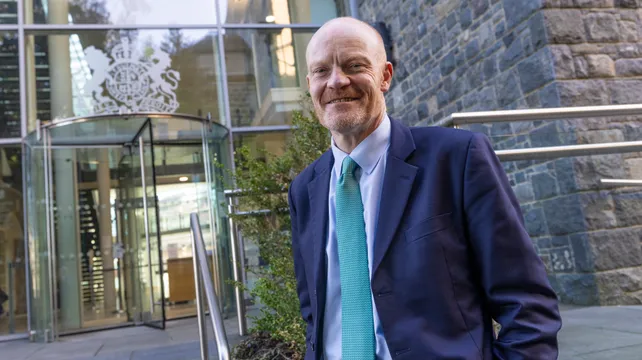
Speaking after HSC confirmed it was abandoning the £273m. Phase 2A hospital modernisation project, Mr Smillie said large transformation programmes needed to be broken into smaller and more manageable projects where possible.
‘It’s really clear to me that we have to take steps to build trust and confidence in our ability to invest and deliver benefits,’ he said.
The problem was not unique to Guernsey, he said.
‘It’s a much broader issue. But typically, what happens at the start of these major transformational programmes is that the scope starts to increase, the timescales over which it will be delivered increases, and the budget starts to become under pressure.’
The answer, he added, was to break ‘huge transformation programmes down into much smaller and more manageable projects’ whose benefits the public could actually see.
He was candid about past failures, pointing to the MyGov programme as ‘the standout example, where in summary, absolutely nothing was delivered for the investment’.
The electronic patient record scheme now being wound down was ‘far from that case’, he said, because it had produced a working system used by staff every day – but he accepted that, at the outset, ‘we promised more than we could conceivably deliver within the budget’.
The right response, he said, was to reset and move on in smaller stages. Those would begin with software to run the new critical care unit when it opens – the same system used in Jersey, which is six months to a year ahead – followed by an electronic prescribing and medicines administration system, and electronic staff rostering.
‘It’s often forgotten with technology transformational programmes that they are actually all based around people,’ he said.
‘And in this case, trying to change everything all at once has an immense impact on our people.
'All of the teams in HSC have some fabulous ideas about the developments they would like to see, based on the changes that have been introduced so far, and one thing I’m sure about is our new leadership within HSC will help us draw out those ideas and build the next phase of changes around them.’
He stressed that despite the disappointing track record on major construction projects and IT, this was not terminal for future builds by the public purse.
‘It’ll never be the end of big construction projects.’
And he praised the committee’s handling of the situation as ‘good political leadership’.
‘I’m personally very optimistic that, based on these decisions, we can move forward constructively,’ he said.
‘It all revolved around making these tough but important decisions.’
You need to be logged in to comment.