
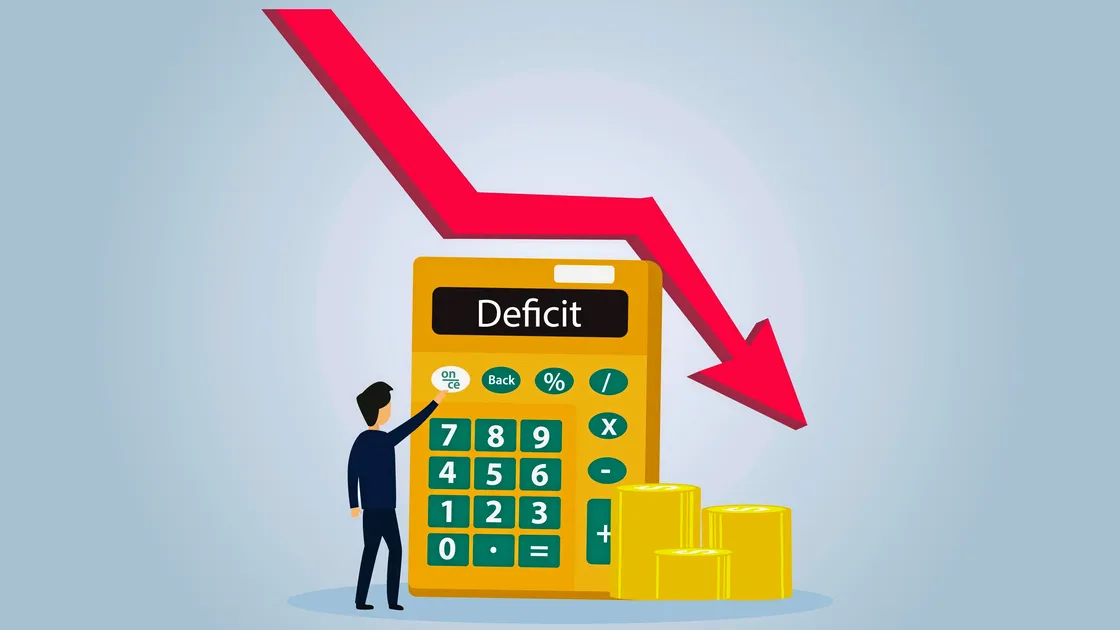
GPEG is firmly of the view that the 2026 Budget has to contain both increased taxes and reduced real reductions in spending (not just a reduced rate of increase in spending) which together total around £200m.
Our new government has completely missed the opportunity to make a good start by failing to identify the serious cost savings that our island needs. Through kicking the difficult stuff of tax rises off to the long grass of a review, precious time in sorting out the dangerous fiscal mess has been lost.
A cost savings target of £4m. has been set, yet even this pathetically small figure is not fully incorporated in the budget. Only £2.5m. is, and that saving will largely be made by paying less to consultants. Instead of pressing the committees to be tough and respond to reality (doesn’t sit well with the worthless promises made at election time does it?) and make further savings, the whole burden has been placed on the chief executive to make these savings.
The fact that the States continues to operate with a much larger shortfall of actual cash than the amount of the stated revenue deficit, should be ringing headline-grabbing alarm bells, and yet, alarmingly, this massive reality is not at all apparent in the published budget. We are seriously concerned that we had to do some heavy duty digging to get to that fact.
A general revenue deficit (a confusing and incomplete measure) of £48m. is forecast, but there is also identified cash outflow of £115m. The difference is largely capital spending and that Pillar Two cash will not be received until 2027. We note that this figure only assumes the very limited capex plan inherited from this lot’s predecessors, with none of the promised land to which the committees wish to take us.
There is an optimistic expectation abroad that the tax review sub-committee, due to report back in the first half of 2026 (a full year after the election), will come up with amazing increases in funding to solve the deficit and fund all the desired capex projects that are piling up. Everything has been put on hold; precious time is being wasted. Rule one of post-election politics has to be: ‘Get the unpopular stuff out of the way early; the closer you get to the next election the less likely are those seeking re-election going to support you’. Rarely has rule one been so spectacularly broken.
How can the States sensibly arrive at a Budget unless there is agreement on how much is to be spent on capital projects, and when?
At Gpeg, we don’t carp from the sidelines. Here are our outline recommendations:
The tax strategy will have to raise a minimum of £150m. each and every year, sufficient to fund the deficit of £48m. and to fund annual capex of, say, £100m. Based on conduct in previous years, capex could be £150m. pa, so the tax strategy would have to raise £200m. And this sum does not include the risks in the 2026 Budget nor the existing backlog in delivering capital projects.
A key point: transparent recognition is required of the fact that the States has been spending beyond its means for several years with our investments (yes, our island’s savings) being sold at the rate of around £100m. every year to fund expenditure. How many members of the States were elected on the slogan ‘Vote for me and I will cut spending to stop dipping into your savings to fund my popularity’? No, Budget 26 will continue actually to increase this level of spending building on the net outflow of this year, 2025, of well over £100m. This really is a disgrace.
The annual Budget should assess all spending, including capital expenditure, in order to present the full picture and then explain how much of the total sum required will be met by increased taxation (and real cash receipts), and how much by real cuts in spending, not just trumpeted reductions in spending increases.
Do not rely on the imagined panacea of Pillar Two tax receipts from intensely mobile multi-nationals. Firstly, Budget 26 already includes some reliance on this hoped-for international agreement on levels of corporate taxation and it hasn’t even been agreed yet. Secondly it requires international unanimity to be effected and Trump’s America hasn’t and probably won’t agree. Rely on this at the States’ peril. In any case, the earliest this would provide cash is 2027.
Adopt zero-base budgeting, working from the bottom up. The newly-appointed committees have generally used the formula-based approach to cost-setting which only identifies changes from the previous year. This is unfortunate to say the least. We can guess why – it’s easier. P&R states that there should be much greater focus on baseline spending and opportunities for savings. We are with P&R here; their view is more cash-realistic. But how can they get their way? After all, they’re only the people tasked with running the dosh. Now if we had a form of executive government... if only. Please can we ensure that Budget 26 follows the form of the 2024 Accounts? Then everything can be aligned in an understandable way. For some reason (perish the thought that confusion is desirable in publishing accounts), Budget 26 is prepared on a different basis.
Pension reform has never been so urgent. We can positively hear the collective eyes of deputies glazing over. Yes, it’s difficult to understand. Yes, it isn’t the most exciting subject. Yes, there will be few prizes for pushing through essential reforms. But whether it is public sector or state retirement (the ‘old age pension’) the rising demand on the Guernsey Insurance Fund alone is swiftly increasing the structural deficit: £77m. before any capex and with all the attendant risks of a getting-older population.
As the major western democracies face massive economic and social challenges, and as appallingly bad and ideologically ruinous leadership of so many countries leads to unprecedented levels of the wealthy (and now just the ‘comfortable’) searching for new tax-competitive homes for their capital, their expertise, their hard work and their families, Guernsey must rise to the challenge.
We must provide a tax-competitive home for capital, risk-taking and hard work; and there is no better place to start the fight than with Budget 26. And the global competition isn’t waiting around while we conduct reviews and duck the difficult decisions.
If we lose our competitive tax system, our economy will contract as financial services ship out; Guernsey’s standard of living will decline sharply and quickly, for which this States and Budget 26 would bear a lot of the blame. It is imperative that all deputies understand precisely what they are voting about, now – not when it’s too late. There is nothing to worry about in saying they don’t understand and Gpeg stands ready to help in explaining, confidentially, if asked for, from an independent position. We are prepared to help for the sakes of us all; the situation is too important, too urgent to just walk down the other side of the road. Guernsey has almost run out of time to get it right and every single deputy is individually responsible.
Wishful thinking, increased borrowing and selling off our investments is a strategy that will end very, very badly.





You need to be logged in to comment.