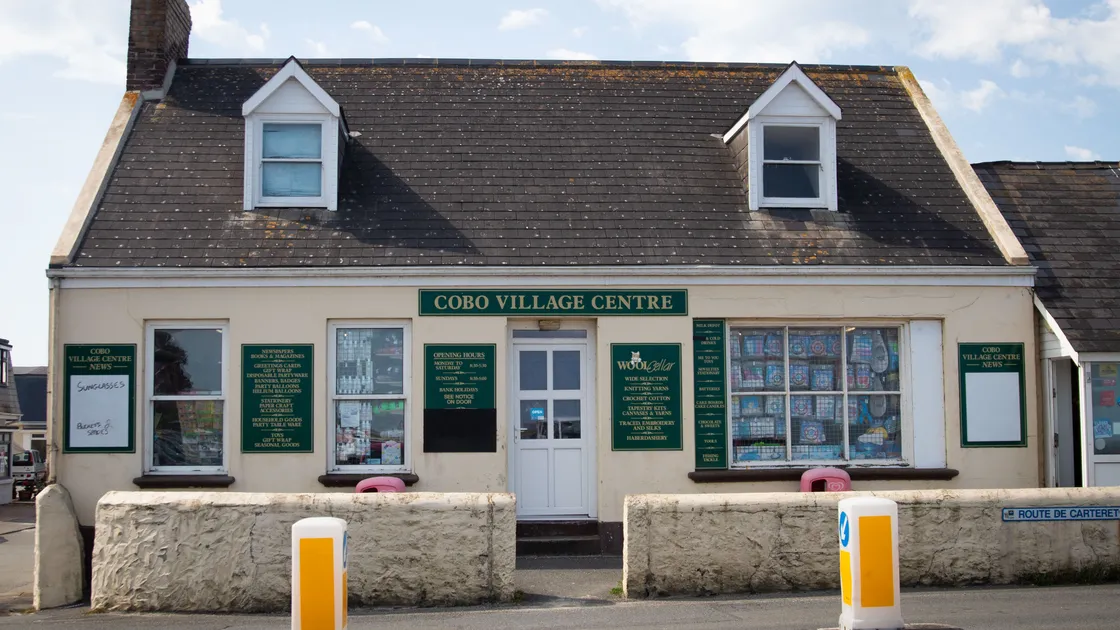
There you go, the Cobo Post Office, latterly known as the Cobo Village Centre, is no more.
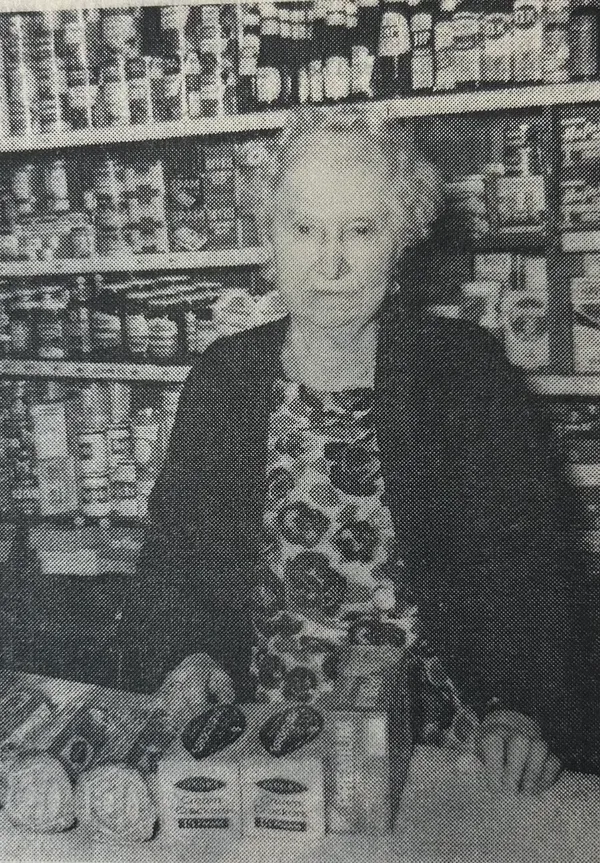
The doors are locked and, just perhaps, floating inside on the darkest of nights is the ghost of Amy Duquemin who worked the shop for more than 70 years and as the young wife of founder Henry Duquemin, was there at the start.
In 1967 and at the age of 89, the one-time girl Guilbert from up the road was still behind the counter helping out her son Harry, who was running the sub post office.
For more than a century Duquemins and descendant Le Pages occupied this coastal corner of the Long Port end of Cobo.
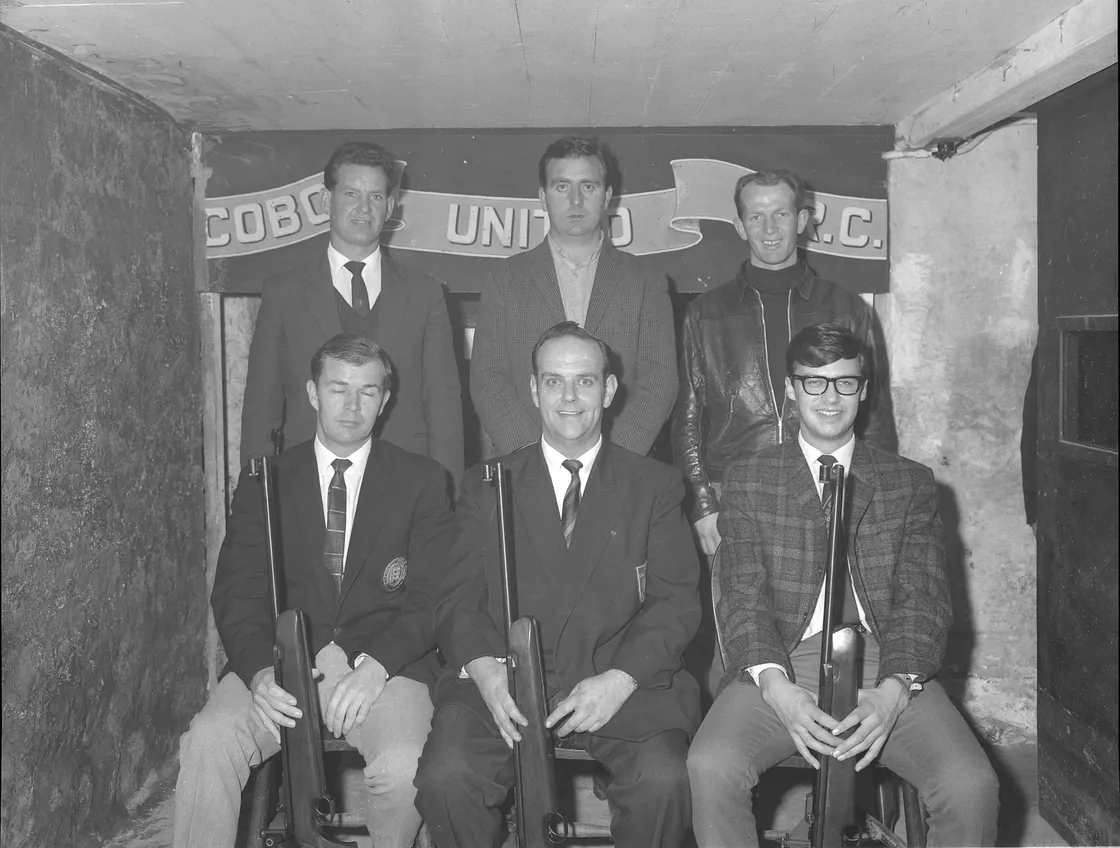
It was a building often hammered by mountainous sea spray and, for quite a while, its cellar was used by the successful Cobo United Air Rifle Club following their eviction from the previous club room of Clarrie Beck in the shadow of Le Guet.
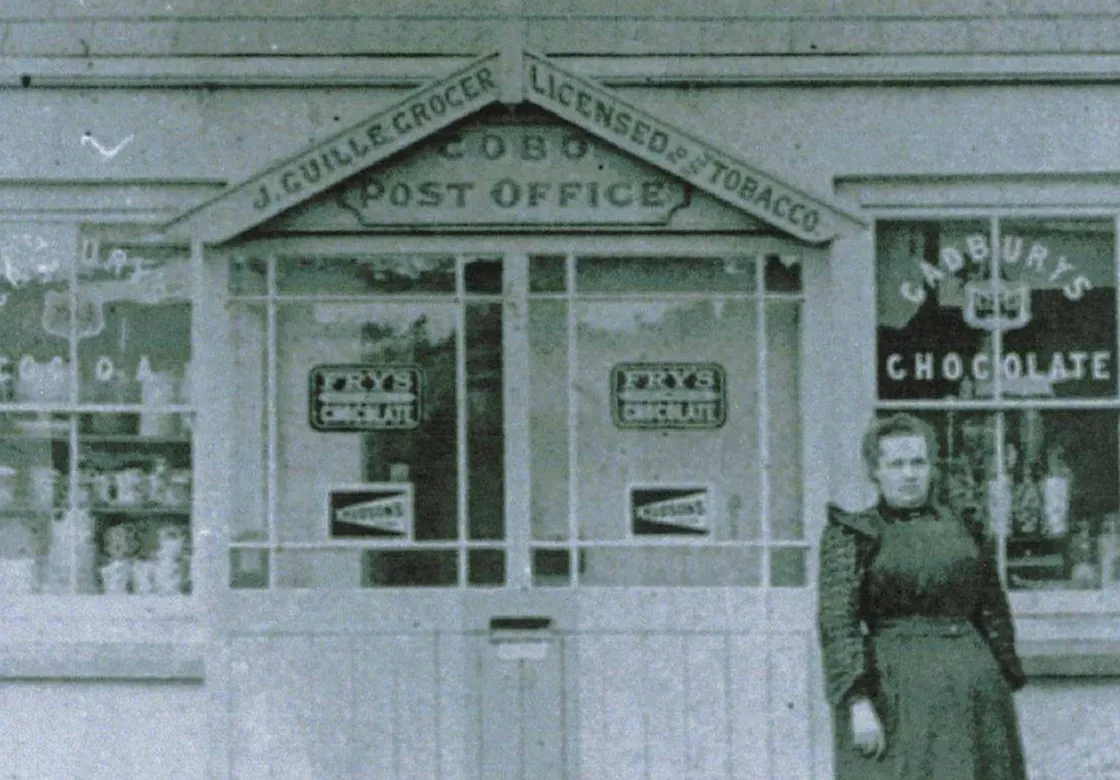
But, it seems, it was not the first Cobo Post Office, that distinction falling to a little cottage still standing opposite the entrance to the Cobo Health Centre, 150 yards or so inland in the Route de Carteret.
In the very late 1800s John Guille operated that first store from a cottage that outwardly has not changed too much in more than a century and a quarter and is still fronted by a porch which all those decades ago carried the wording Cobo Post Office and J Guille Grocer and Licensed Tobacco.
At one point early last century the Duquemins succeeded John Guille as postmaster and moved into the coastal cottage which would house the key village operation for more than a century.
When exactly, is unclear, but census records show that in 1911 Henry Duquemin was operating as a grocer at Cobo and four years later he was also running the post office.
By the time of the Occupation old Henry was an old man and the task of running the business was in the hands of his two sons, Harry, the elder by eight years, and Laurie.
In early 1962, Laurie felt the building shake in the storm that brought down a long section of the beach wall and road.
‘We always maintained it was like an explosion,’ recalled the late Herbie Nichols, who added: ‘In fact, Laurie Duquemin from the post office reckoned it was more like a mine that had been washed up and hit the wall which caused it. The houses around there shook with the explosion.’
As it happened it was no explosive device, but the sheer power of the sea at the height of a big tide.
By now or soon after in the 1960s, the Duquemins were branching out into other areas – namely catering.
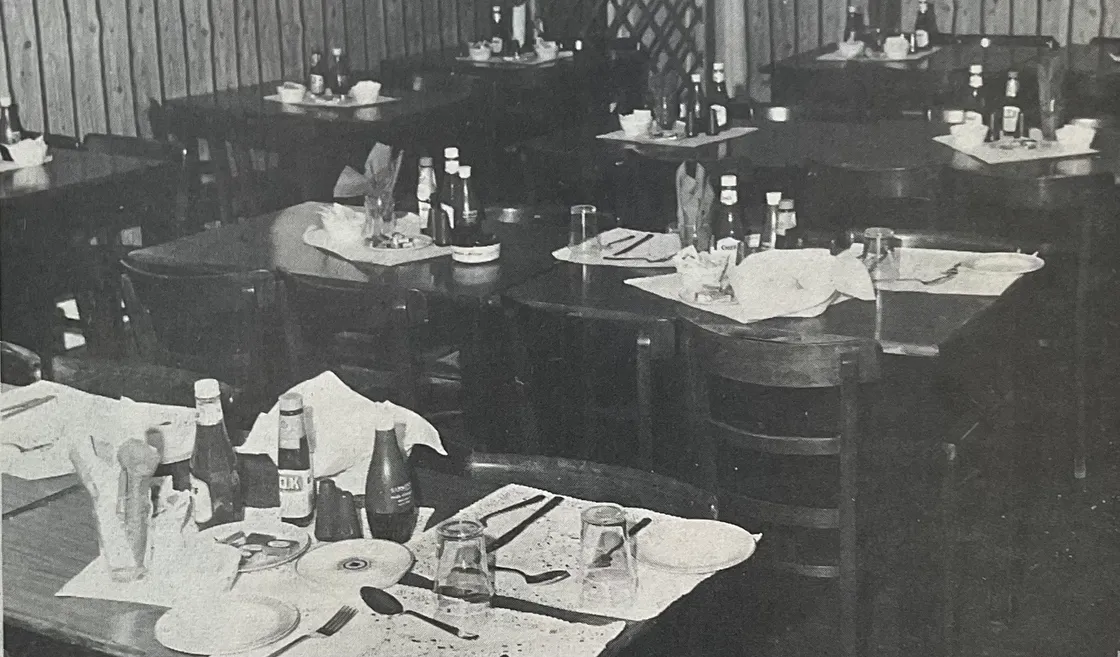
They would open the Cobo Snack Bar which, in 1971, transformed into the Cobo Restaurant which, the Press described as ‘a nicely decorated room with the aim of catering for all tastes and pockets’.
The report notes that Mrs Joyce Le Page and her son Brian saw the restaurant as an extension of their present businesses whereby Mrs Le Page acted as postmistress at the Cobo Post Office and Brian ran the Cobo Chip Shop which adjoined it.
A sample menu of soup, roast lamb, roast potatoes, vegetables and a set to follow, would cost 47 pence.
As an alternative, entrecote steak and chips was available at 75p, while at the other end of the scale a simple egg and chips was a mere 15p.
In addition, and no doubt with one eye on the summertime beachgoers, the new restaurant was offering tea baskets and light snacks.
The restaurant would not last but Brian Duquemin and his mother would gradually make the shop into something of a mini department store.
The 1980s was arguably the heyday for the Duquemin business with close to two dozen men and women working in its various departments.
It was now so much more than a post office and grocers, a fishmonger and Barry’s Bakery having been added.
There was also a small flower business run by Harry Duquemin, and Fred Martel, a great Cobo character renowned for replacing the Union Jack on the Grosse Rocque each spring, was his delivery driver.
It fitted the new tag of ‘Cobo Village Centre’ perfectly.
Future Castel deputy Darren Duquemin lived above the shop with his parents, but the early death of his father Brian, and then Mrs Le Page, would see the business further evolve under the guidance of Ralph Le Page, the postmistress’s other son.
The Village Centre remained a popular destination for district locals and those prepared to chase a parking spot opposite, but, in time, the post office would move across the road and, as it transpired, rely firmly on the shoulders of Ralph.
His shock passing last year would finally lead to the demise of a cherished 100-year-plus family devotion to serving this coastal community and Cobo is much the worse as a result.
Shutting up shop
Mine was Mrs Delaney.
Who ran your corner shop?
That’s the question we older islanders can ask when referring to the heydays of the corner shop, that little grocery store down the road where we went for sweets and mums popped along to for a fresh two-pound loaf and a tin or two.
Here we are in 2026, there are almost none left.
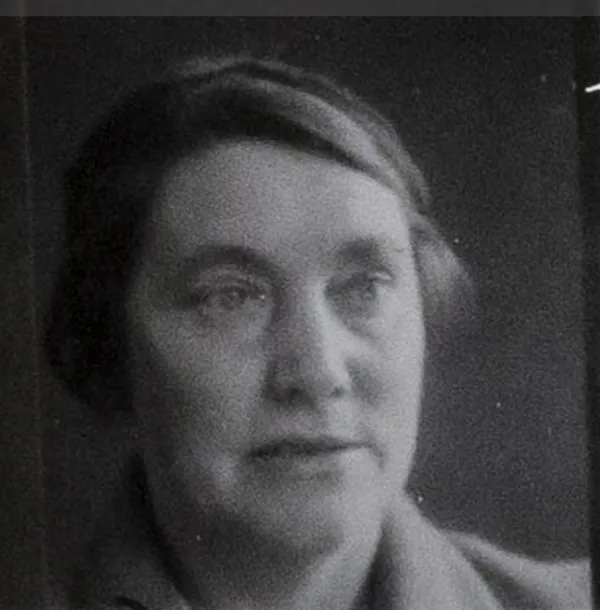
Yet, as my nostalgic dip into the final Guernsey Press Directory of 1959, just shy of 70 years ago tells me, there were 220.
Back then and through my 1960s childhood, no main road or district was without one.
Deep into the 21st century, many are still standing, only have been converted into extra rooms.
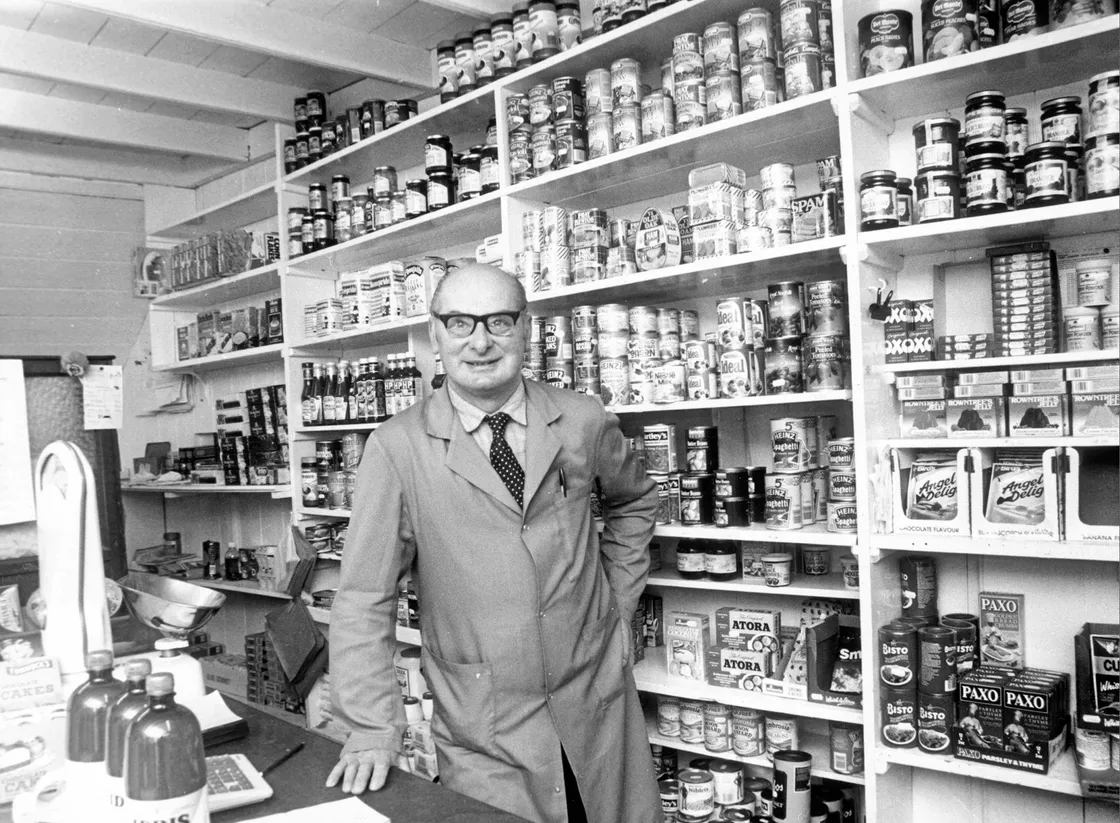
Everybody will have a grocers shop memory. They will be able to shut their eyes, possibly re-imagine the scene inside the door which had the customary bell to alert the grocer someone had entered and might be about to pocket a sweet or two.
Down at Cobo, or to be more precise, the Guet end of central Cobo, Mrs (Kathleen) Delaney’s store was situated just off the corner junction, staring out at the then empty field where the Cobo Alice boat would appear some years later.
I cannot picture the old lady now, but I remember a woman as sweet as her confectionery.
I guess there were dozens of Mrs Delaneys dotted around the island before the supermarkets moved in and those days of popping to the corner shop for something or other, slowly evaporated like such milk in tins.