
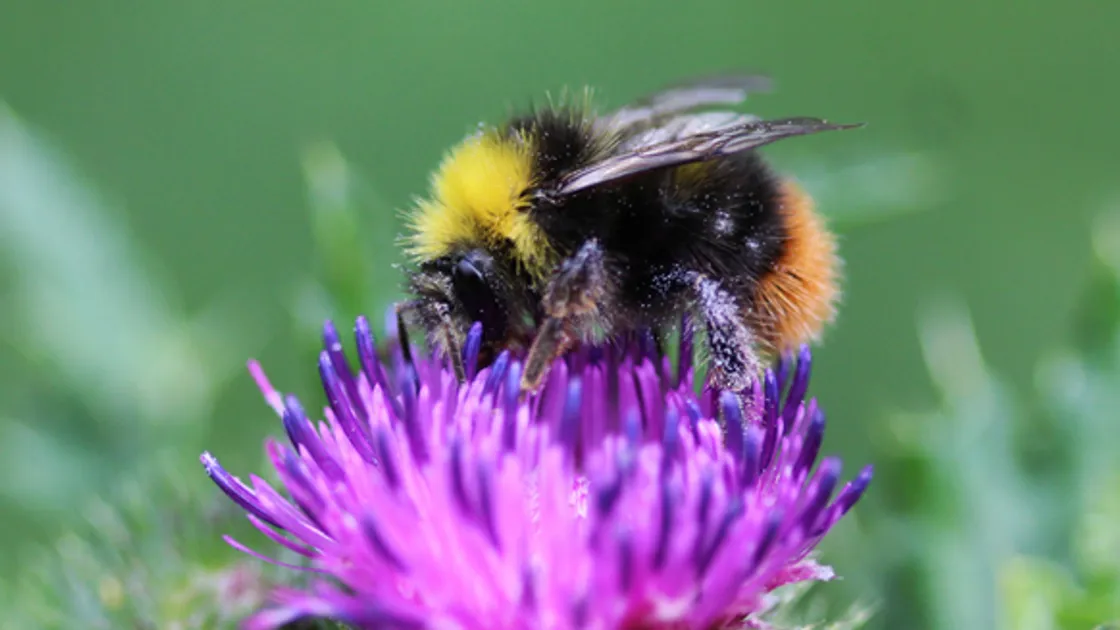
Bees are a keystone species, which means that they help hold ecosystems together by playing a large role in its community’s structure, and without which would cause a collapse in biodiversity. Bees support biodiversity by facilitating the reproduction of plants through transference of pollen, essential for the survival of many plant species and enabling wild plants to thrive. They are key pollinators and are responsible for fertilising about a third of the world’s food supply, mainly fruits, nuts and vegetables. 84% of crops grown for human consumption in Europe need bees for pollination. Products including honey, beeswax and venom are also made by honeybees and are used for food and medicinal purposes. Bees are a sensitive species so are useful for the monitoring of environmental health and any changes that may occur. They are crucial to the island’s ecosystem, with the populations thriving in warmer weather.
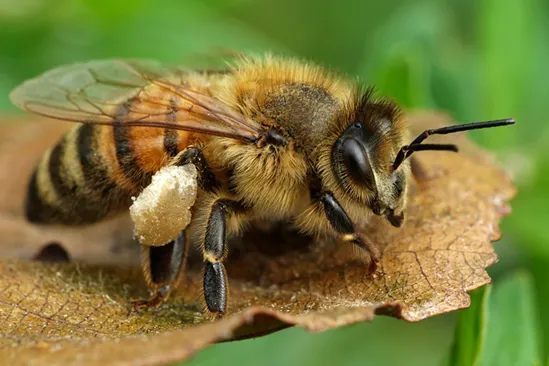
Bees in Guernsey
In Guernsey, there are 90 species of bee including six bumblebee species, one honeybee species, and 83 species of solitary bees. Bumblebees are large fluffy insects which make a distinctive, loud buzzing sound. They are a social nesting species that will live together in a colony. The queen bumblebee produces workers (females that cannot reproduce) who tend to the colony by collecting pollen and males. Some bumblebee species are cuckoo bumblebees. Like their bird namesake they will take over an existing bumblebee colony, kill the queen and then use the workers of the host species to feed their own offspring. As such cuckoo bumblebees don’t have workers as they don’t need to collect pollen.
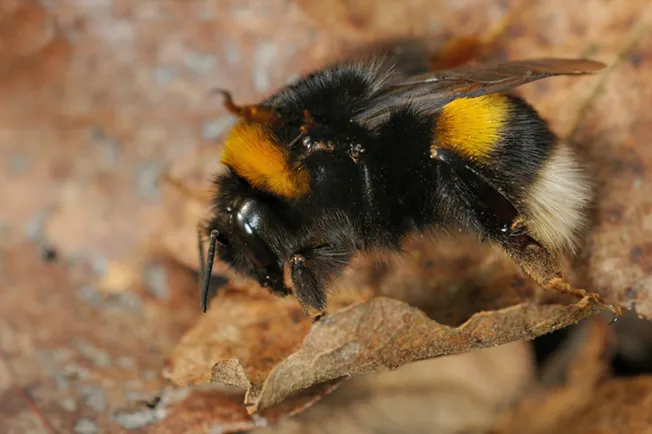
Bumblebees do not make honey as they do not need to store food for winter. Instead, bumblebee queens mate late in summer and then hibernate over winter. They emerge in spring and start a new colony.
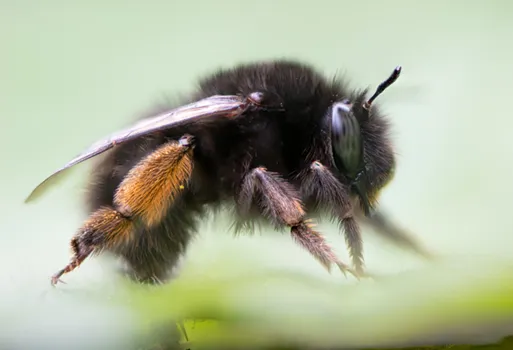
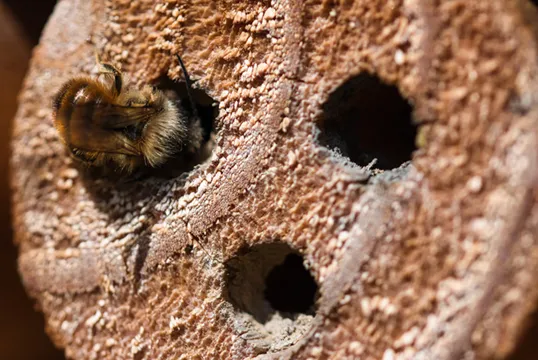
Solitary bees are generally smaller and thinner than bumblebees. They can be different colours too including black, red, brown, orange and silver. However, there are some solitary bee species that can be confused with bumblebees like the hairy-footed flower bee. Solitary bees don’t have queens and the females nest alone rather than in colonies or hives. They either nest in the ground, such as in loose soil or sand, or nest above ground, in hollow plant stems, deadwood or man-made bee hotels. Solitary bees will make a tunnel or use one that’s already been made and then lay a single egg in each tunnel. Each tunnel is then provisioned with food stores for when the young hatches. Similarly to bumblebees, some solitary bees can be cuckoo species. These cuckoo solitary bees lay their eggs inside the tunnels of the host species.
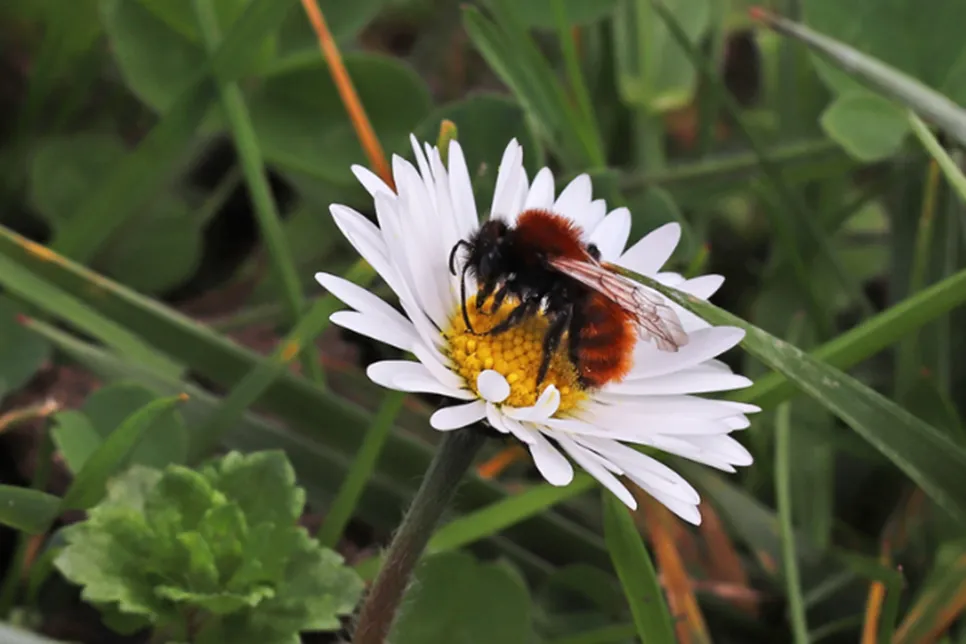
When they hatch out, they kill the host larvae and then feed on the food stores. Common species of solitary bee in Guernsey include the tawny mining bee.
Honeybees are a ‘farmed’ species of bee. They live in huge hives made of wax honeycombs and a single hive may contain as many as 50,000 individuals. Similarly to bumblebees there is one queen who produces the workers. Honey is produced to help feed this species over winter when there is little pollen and nectar available.
Threats to bees
Due to human activities, bee populations are declining. One reason for this is the increased loss of habitat, due to land being used for urban development or agriculture, destroying the plant life and therefore the bee habitats. The increased use of land for agriculture means that there is an increased use of pesticides; these poison or weaken the bees’ immune systems, making them more susceptible to parasites and diseases, and can reduce their ability to reproduce.
Farming can also lead to poor nutrition as due to monoculture farming, with a single crop type, there is a lack of diversity in the plant food that is consumed by the bees. Climate change also has an impact on bees as it affects the timing of flowers blooming due to shifts in seasons, which causes bees to emerge when there is little to no food.
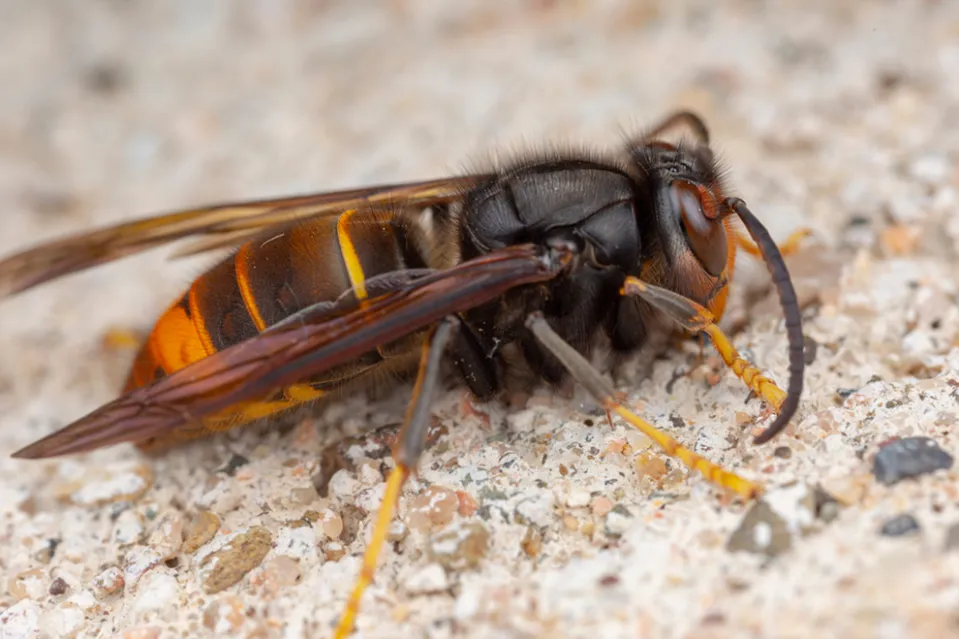
Asian hornets are an invasive non-native species and will aggressively predate many species of insects including bees. On average 39% of their diet is made up of honeybees. They are a major threat to biodiversity, especially pollinating insects. Fortunately, in Guernsey efforts being made to manage this invasive Asian hornet have been successful in preventing them from establishing here. We are currently in the ‘spring queening’ trapping phase of the project for this year, with 32 queens caught over the first three weeks of the season.
The decline of bee populations can negatively impact the environment and human health. Decreased bee populations threaten global food security as fewer bees lead to less pollination and fertilisation, leading to the crop populations not producing as well or at all. It also causes the increases of food prices due to lower yields for nutrient-rich foods and the need for hive replacements or artificial pollination.
The decline of bees has led to a 30% decrease in honey production worldwide. There will also be a lack of biodiversity and a devastating impact on the ecosystem, as pollination-dependent plants will decrease leading to loss of other flora and fauna; this causes a domino effect on all other species in the ecosystem.
How to help the bees
Here are some ways that you can help our local bee species:
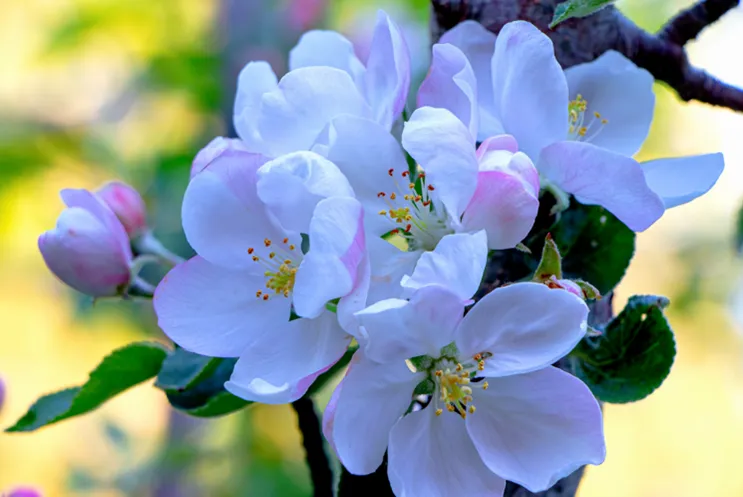
Plant bee-friendly gardens, without using pesticides and with consistent food sources. ‘Messy’ parts of the garden with bare soil, fallen leaves, or dead wood are essential for nesting.
Avoid pesticides and other chemicals.
Provide water sources, such as shallow birdbaths or containers filled with water and stones/pebbles to prevent drowning while they drink.
Support local beekeepers, buy local honey from local farms that use sustainable, organic methods, e.g. no transportation of hives, lower carbon footprint.
Help tired/struggling bees with two tablespoons of white, refined sugar dissolved in one tablespoon of water to offer a quick energy boost. Don’t use honey.
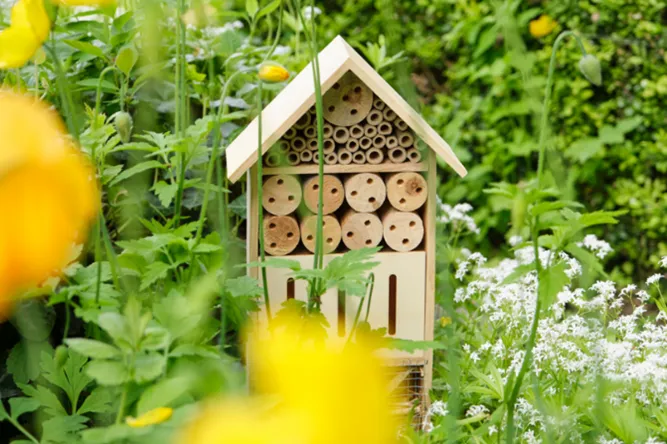
Install bee homes or bug hotels to support solitary, non-swarming bees.
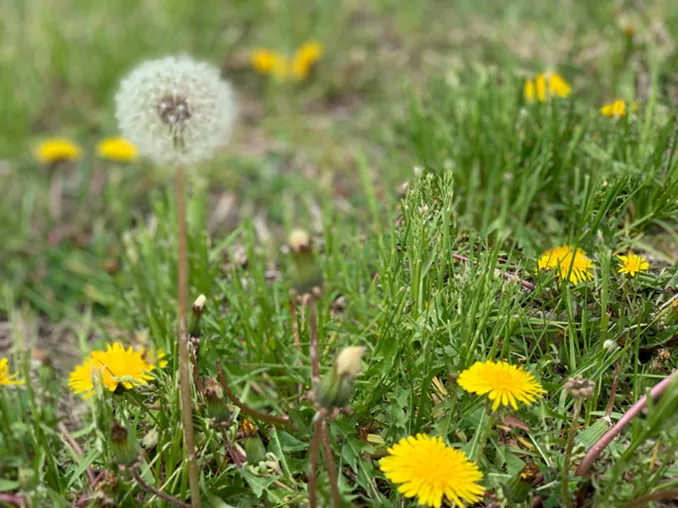
Let the lawn grow long, avoid cutting grass in the garden and allow weeds to flower as they are crucial, early season food sources, especially dandelions and clovers.
Plant trees, particularly flowering species which are a great source of nectar and pollen for bees.
Support conservation efforts to help protect pollinator habitats.
Help us understand more about our bee species on island by submitting records of species to the biological recording app iRecord.
World Bee Day
Wednesday 20 May is celebrated as World Bee Day. The aim of this day is to draw attention to the essential role that bees and other pollinators play in our ecosystems. It also provides the opportunity to promote actions that will protect our pollinating insects and their habitats. The date was chosen as it is the birthday of Anton Jansa, a pioneer of modern beekeeping, and the first celebration of World Bee Day took place in 2018. Why not host your own event to celebrate all things bees or do some of the above actions to show your dedication to helping our bee species?
To learn more about our bumblebees and some of our solitary bees, check out these leaflets produced by the Pollinator Project https://pollinatorproject.gg/. Check out State Of Nature 2024 to find out how our bees and other insects are faring in Guernsey.




You need to be logged in to comment.