
Invasive non-native species – plants and animals – threaten the survival of native wildlife and our natural ecosystems, cost the British economy nearly £2 billion a year, and can even harm our health and interfere with activities we enjoy.
Invasive Species Week is an annual event to raise awareness of invasive non-native species and how everyone can help prevent their spread.
Guernsey has a rich horticultural history, bolstered by the mild maritime climate that allows a huge diversity of plants to flourish here. This history is evident in the huge array of spectacular gardens dotted across the island, many of which are at their best at this time of year – bursting with early summer flowers.
Approximately a third of the island is gardened – so they are also incredibly important for nature and, when managed with nature in mind, they can offer homes for a wide range of animals, including pollinators, frogs, hedgehogs and a huge diversity of birds.
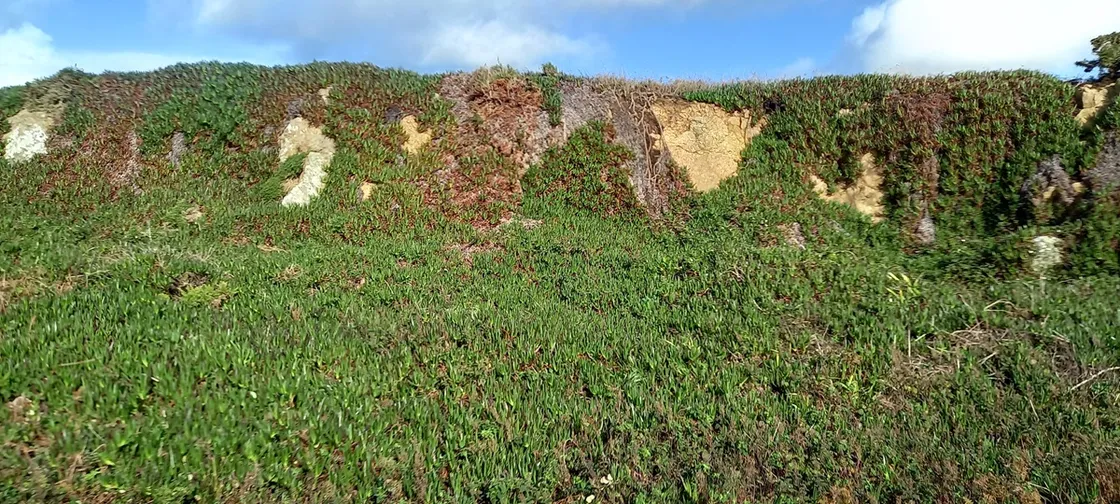
Unfortunately, domestic gardens and plantations can also pose a risk to our island’s nature, and all too often the evidence of this horticultural past can also be seen in our nature reserves and once-wild spaces, where plants introduced from all four corners of the world have made their escape from gardens. Once in a new place, without the pests, predators and diseases they co-evolved with, some plants are able to grow rampantly, out-competing and smothering other plants. Of the many hundreds, if not thousands, of plants introduced to Guernsey, only a very small number of plants escape and cause harm – however when they do, the consequences to our native wildflowers and other wildlife can be huge.
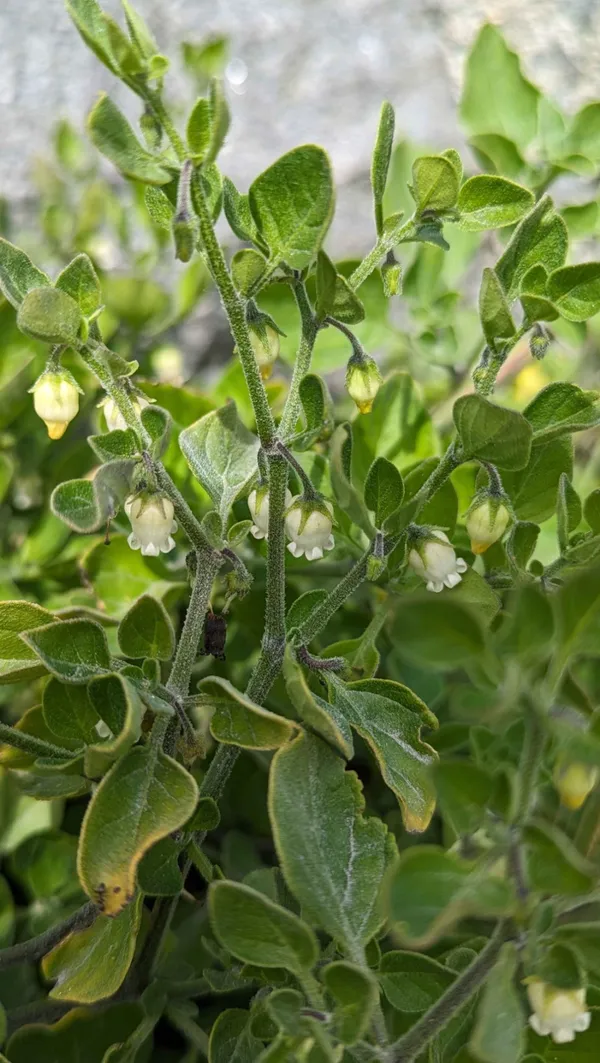
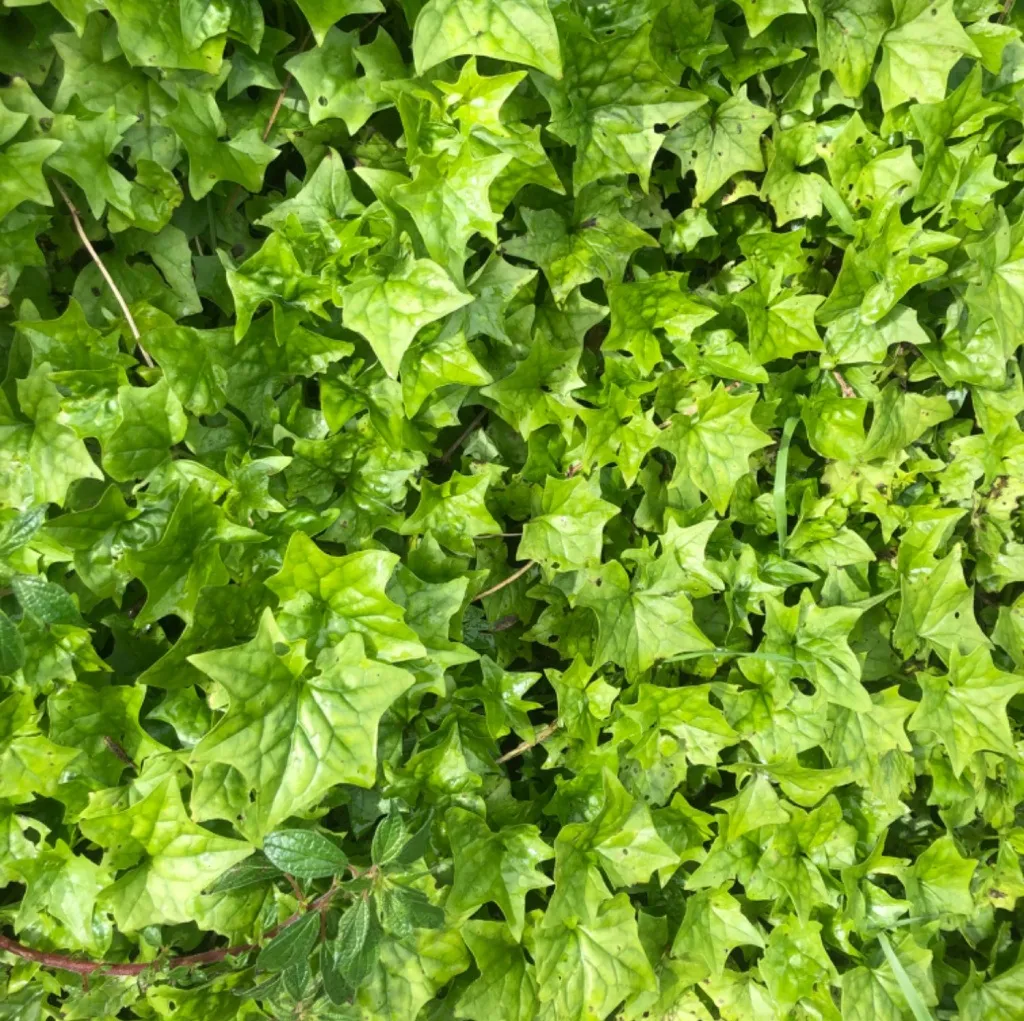
In addition to the well-publicised examples of invasive plants, like Japanese knotweed and sour fig, there are over a hundred others causing harm to our environment. Plants such as cock’s-eggs (Salpichroa origanifolia) are now growing prolifically around the west coast – threatening coastal grasslands and rare plants such as pyramidal orchids. If you walk around the lanes in most parishes, you might also spot cape ivy (Delairea odorata), a relative of ragwort which forms dense mats, smothering earthbanks and hedgerows (and pretty much any other habitat it finds itself in).
As these plants out-compete or smother our native species, they also reduce the food sources or nesting spaces for the insects and birds which rely on them. So it’s no wonder that invasive non-native species are credited as being one of the top three drivers of biodiversity loss globally.
While the Guernsey Conservation Volunteers and other environmental charities are working hard to try and keep these invaders at bay, if you’re a gardener there are some easy steps that you can take to help protect our environment from invasive plants. Because the plants we choose – and how we manage them – can have far-reaching consequences beyond our gardens boundaries.
This is where the ‘Be Plant Wise’ campaign, led by the Non-Native Species Secretariat (NNSS), comes in. Its message is simple but vital – protect our environment by making informed choices about plants. For islands like ours, where natural habitats are both precious and vulnerable, this message is particularly important.
This campaign aims to promote thoughtful choices about what you grow in your garden and, critically, how you manage or dispose of them to prevent them spreading.
The key messages:
Know what you grow
Before introducing a new plant to your garden, take a moment to understand it. Is it known to spread aggressively? Has it caused problems in similar climates? Many common garden plants – attractive and widely available – have recognised invasive tendencies. It’s best to avoid these species, not only for the benefit of the islands environment, but because they will also mean a lot more management to stop them taking over your garden.
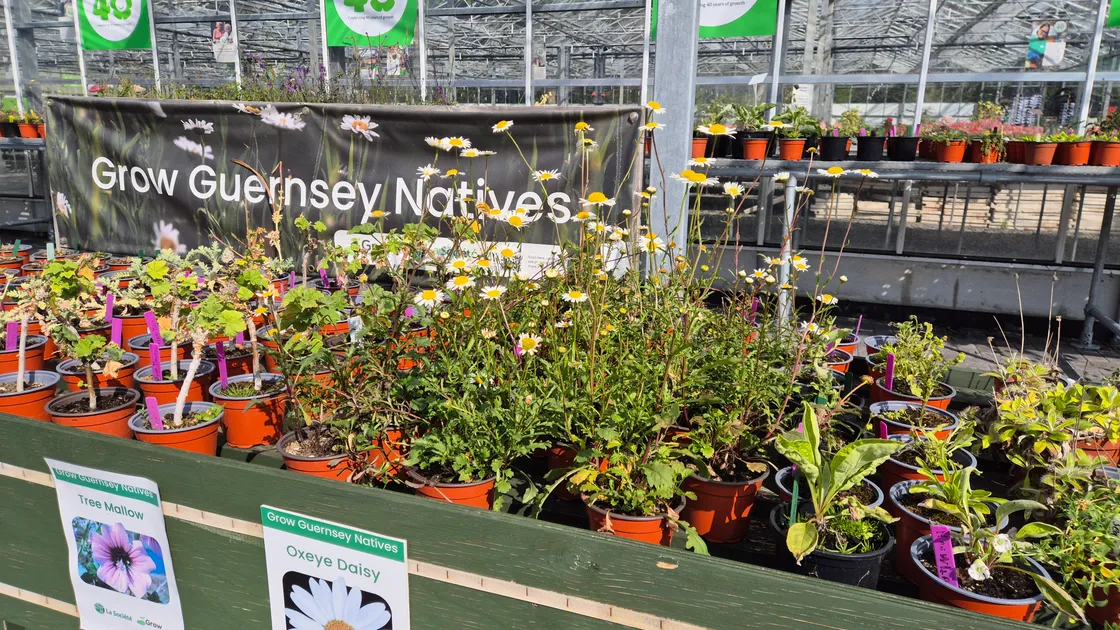
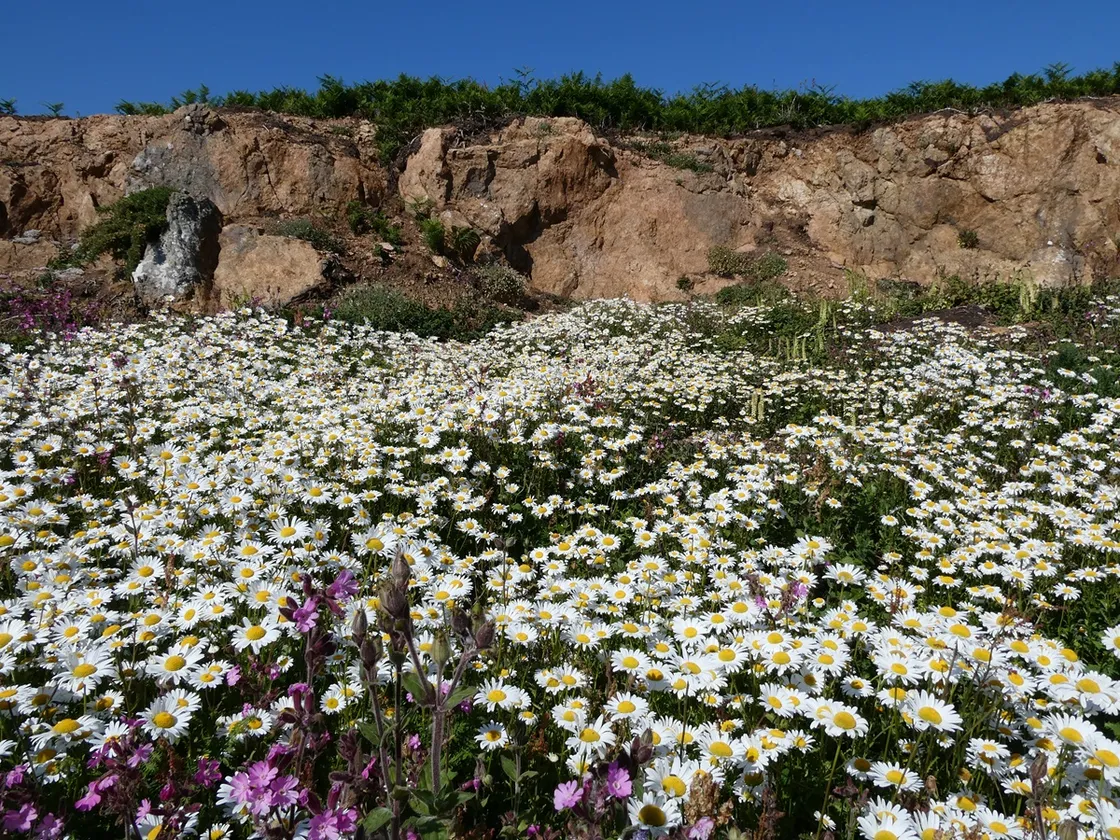
Why not consider planting native species, many of which are very attractive and also support pollinators? Check out the great selection of native plants in the Grow Guernsey Natives initiative, available from Grow Ltd.
Stop the spread
Plants don’t respect garden boundaries. Seeds can be carried by wind, water and wildlife, while creeping roots and stems may extend into neighbouring land. Simple practices can help prevent escape, like dead-heading plants that self-seed readily, not sharing invasive plants to be planted in other gardens, and cleaning equipment before using it in other parts of your garden (and especially before using it in a different location).
Compost with care
If you are removing invasive or potentially problematic plants, disposal needs careful consideration. Some species can regenerate from the smallest fragments and compost heaps and green waste piles may not always reach the temperatures needed to destroy them.
While it may be easy to think that green waste will simply biodegrade and not pose any risk to the environment, if that waste contains seeds, bulbs, or other bits of plants that can regrow, there is a risk that those plants will regrow and become a source for invasion.
Unfortunately, garden waste is dumped into nature reserves or the wider countryside every year – spreading invasive plants and placing a significant burden on the charities and landowners that manage those sites. So please, dispose of your plants properly.
The good news is that the new green waste site at Chouet processes green waste in such a way that the seeds and bulbs are destroyed, preventing those plants from spreading. So if you are disposing of any potentially invasive plants, drop them up there (with the exception of Japanese knotweed which is so invasive it would continue to grow even with that treatment process*). And the best bit is – it’s totally free of charge.
Good for your garden – good for the island
The aim of Be Plant Wise is not to restrict gardening enjoyment, but to encourage thoughtful choices. Being plant wise also opens the door to more nature-friendly gardening. By gardening with nature in mind, we can enhance both our own green spaces and the wider environment.
Guernsey’s landscapes are shaped not just by land managers and environmental organisations, but by thousands of individual gardeners. Each planting decision, each compost heap, each cleared border contributes in a small but meaningful way.
The Be Plant Wise campaign reminds us that good gardening doesn’t stop at the garden gate. With a little awareness and care, we can all help protect the island’s unique natural heritage for future generations.
* Check out the gov.gg website or contact States Analytical Laboratory for info on safe disposal of Japanese knotweed.




You need to be logged in to comment.