
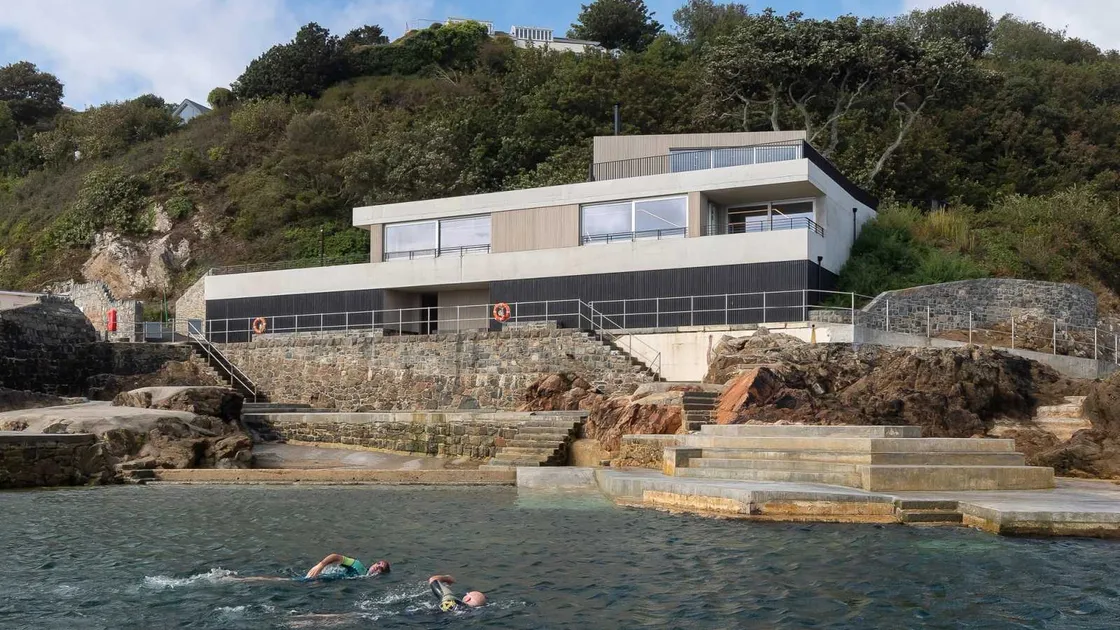
The Guernsey Design Awards celebrate excellence in architecture, design and the built environment across the Bailiwick of Guernsey.
Held every two years, the awards recognise projects that demonstrate distinctive design, originality, sustainability and a positive contribution to the island, from small-scale interventions to landmark developments. The Guernsey Design Awards are the island’s foremost celebration of architectural and design excellence.
With categories spanning new builds, renovations, public art and landscaping, the awards attract entries from across the full spectrum of design and construction.

When David took over the role of chairman of the Guernsey Society of Architects, he was asked by Norman Piette to judge the 2024 design awards, which, he says was a great experience. ‘Seeing the calibre of work that’s actually ongoing on the island, and a lot of it is hidden. The really good work responds so well to its context. It’s not blazingly obvious that it’s there.’
David’s route into architecture was slightly unconventional. After David completed his GCSEs, he went onto to do A-levels, but felt they weren’t right for him at the time. He started training locally as an architectural technologist, before deciding he wanted more of a design-focused career. So he went to university and completed his first degree in London, before returning to Guernsey to get some work experience before doing a master’s. In the interim, he had a baby, so the intention to return to university wasn’t possible. He was able to do his master’s and post-graduate qualifications remotely through Riba Studio - a fairly recent development in the training route to becoming an architect - meaning qualifications and chartered status can be achieved while working. This route into architecture is much more flexible and less expensive, and is run much like an apprenticeship, which David is championing for the island, as he says it is important to keep talented individual on island. ‘Because we do experience that good students come in, they train up for the first part, and then they leave and go elsewhere, go to London or wider abroad, which we can’t blame them for. It certainly gives them a bigger breadth of experience. But actually you could study if you wanted to all the way through from Guernsey, which is a great opportunity for our youngsters.’
‘Going back to the training, that is what all those years of architectural training are for. You learn about how to design in context. And you really have to hone your skills to understand that process. And it’s only through practice and learning and critique that you get those skills. Some of the best houses, no one ever sees. The best design sits comfortably in this context.’
David isn’t judging the awards this time, ‘I’m handing it over to another architect, because I think it’s fair that every year there’s a different judge.’
For many people, especially in Guernsey, the idea of employing an architect seems beyond their reach.
‘There is a perception that architects are only for the wealthy,’ David said, ‘but actually, the training doesn’t push you to one type of topology of building. It’s about good designing and asking the right questions - which is the most fundamental thing. In the advent of AI, anyone could create a nice image, but it’s really about asking, what is the use, what is the practical side of the elements of the building? What is the context? Asking all the right questions to get the right brief is the foundation of a good building. Just because it looks nice or it has nice geometry, it doesn’t make it a good building. It’s about the inhabitants and its use and its context. Architects will have that skill, and that’s because that’s what they’re taught throughout university. They aren’t just taught how to draw. They’re not taught how to produce anything, but just ask the right questions and understand context, which is very unique to training to become a chartered architect. Its not forefront of any of the other architectural professions. But Joe Bloggs on the street won’t see that, they wouldn’t understand that, but that’s a job for the Society of Architects to try and push that narrative across to make sure people understand.’
‘Most architectural practices will offer the first hour free. They’ll come and see you and, if you do listen, you do get a lot for free, but it’s a lot about fact finding and asking questions. And architects, because they have that grounding of asking the right questions, can bring value to any project, whether it’s a small porch extension to a big commercial extension. Sometimes it’s asking the question, do you need to actually extend, for example, in a domestic building? Because a lot of the time, you just need to rearrange the internal layout, or provide furniture or something like that, that actually makes the space much more useable. And actually that brings value because you’re not spending. It’s a very difficult thing to put value to until you go through the process.’
The categories for the awards
Small projects (up to £500k)
Built projects with a total construction cost of up to £500,000, including extensions, refurbishments and new build.Commercial
Non-residential projects including offices, retail, hospitality, industrial and mixed-use schemes where commercial use is the primary function.Single residential new build
A newly constructed, single dwelling designed as a standalone residential project.Heritage
Projects involving listed buildings or sites of recognised heritage value, including sensitive restoration, adaptation or extension.Single residential renovation/extension
Alterations, refurbishments or extensions to an existing single dwelling.Multiple residential development
Developments comprising two or more dwellings, including apartments, terraces or housing schemes.
All entries will also be automatically considered for two additional sponsored awards:
Sustainable design & energy innovation award, sponsored by C8
Recognises projects demonstrating exemplary environmental performance, energy efficiency or innovative low-carbon design strategies.Natural light & glazing design award, sponsored by Mumford & Wood
Celebrates projects where daylight, glazing and the relationship between inside and outside are integral to the architectural concept.
In addition to these, two further awards recognise excellence from both public and industry perspectives:
People’s Choice Award
Voted for by the public, helping to raise awareness of the industry and its contribution to Guernsey’s built environment and everyday surroundings.Mitch Sneddon Award
Voted for by attendees on the evening of the awards and represents the professionals’ choice, recognising projects that resonate strongly within the industry.
Shortlisted projects
The judges have assessed each entry against the criteria including design and construction, character, health and wellbeing, and environment.
The shortlisted projects can be found below. The public have a chance to vote for the People’s Choice award by going to the Guernsey Design Awards website: https://www.guernseydesignawards.com/2026-awards
Small projects (up to £500k)
Fort Le Crocq
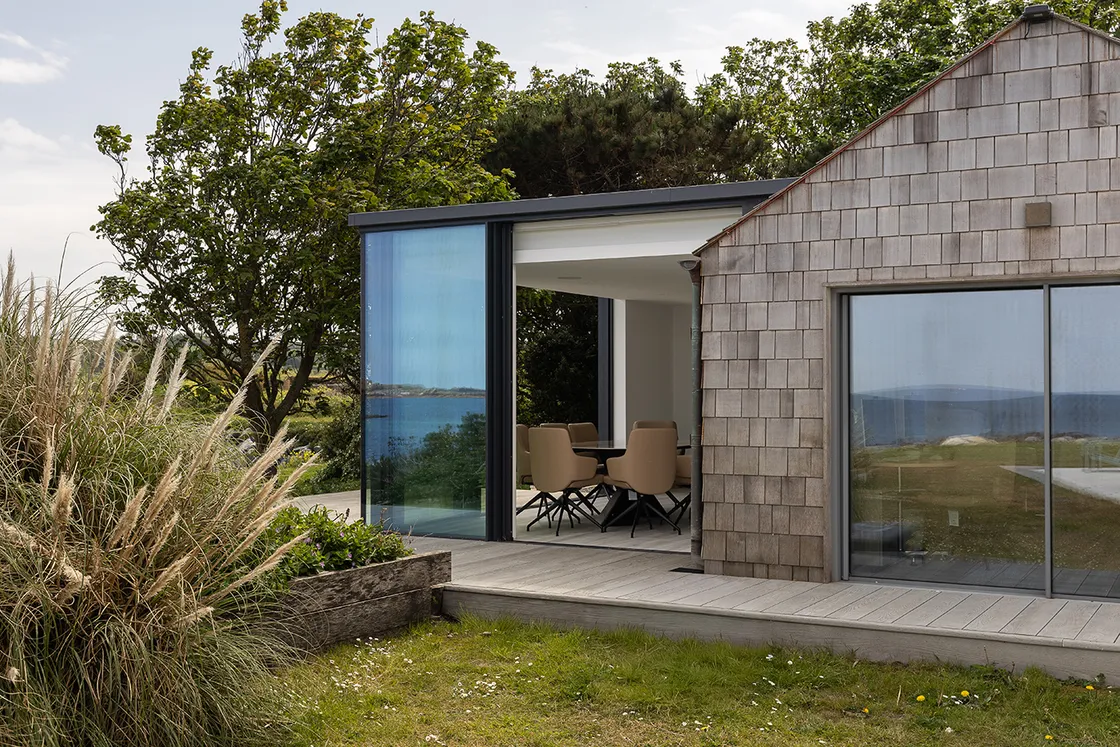
Client: Mr P Morris
Architects: The Drawing Room
Contractors: Rihoy and Son Ltd
The Wood Shed
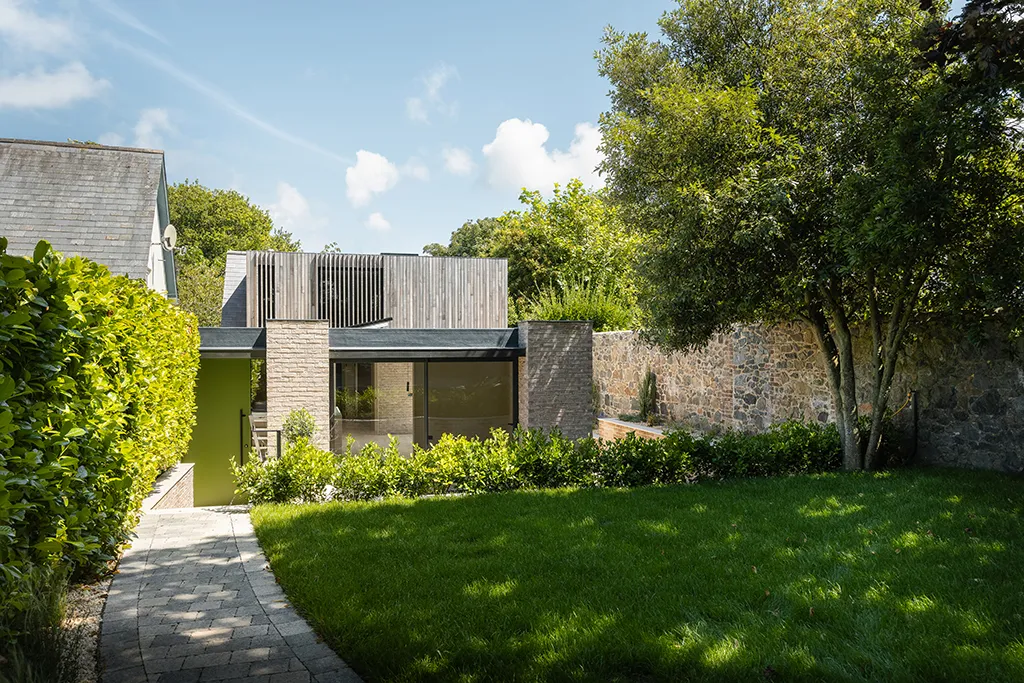
Client: David De La Mare
Architects: DLM Architects
Contractors: Self-build
Ty Mor
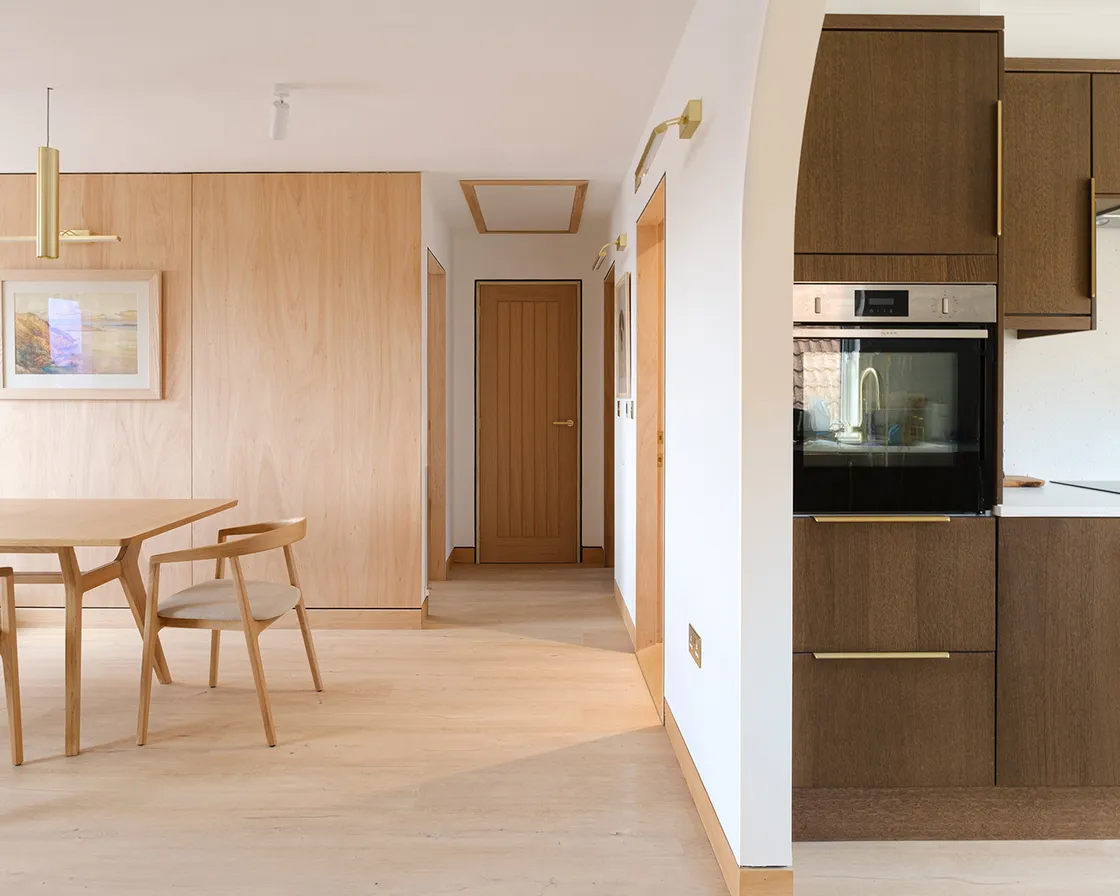
Client: Tom Gaudion and Sophie Brehaut
Architects: Tom Gaudion
Contractors: Connect Services
Commercial
Creaseys Department Store - Refurbishment and Extension (Phase 1)
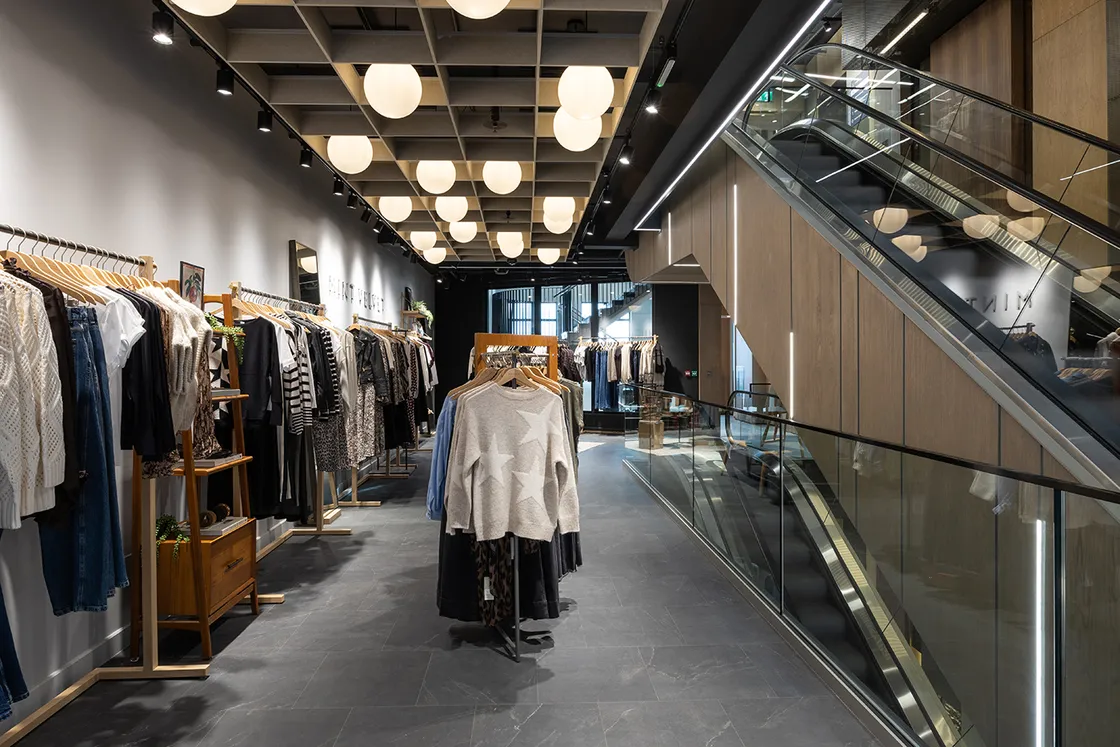
Client: Mr Jonathan and Peter Creasey, West Quay Holdings
Architects: Lovell Ozanne Architects in collaboration with Lyons+Sleeman+Hoare Architects
Contractors: Rihoy and Son Ltd
Fukku
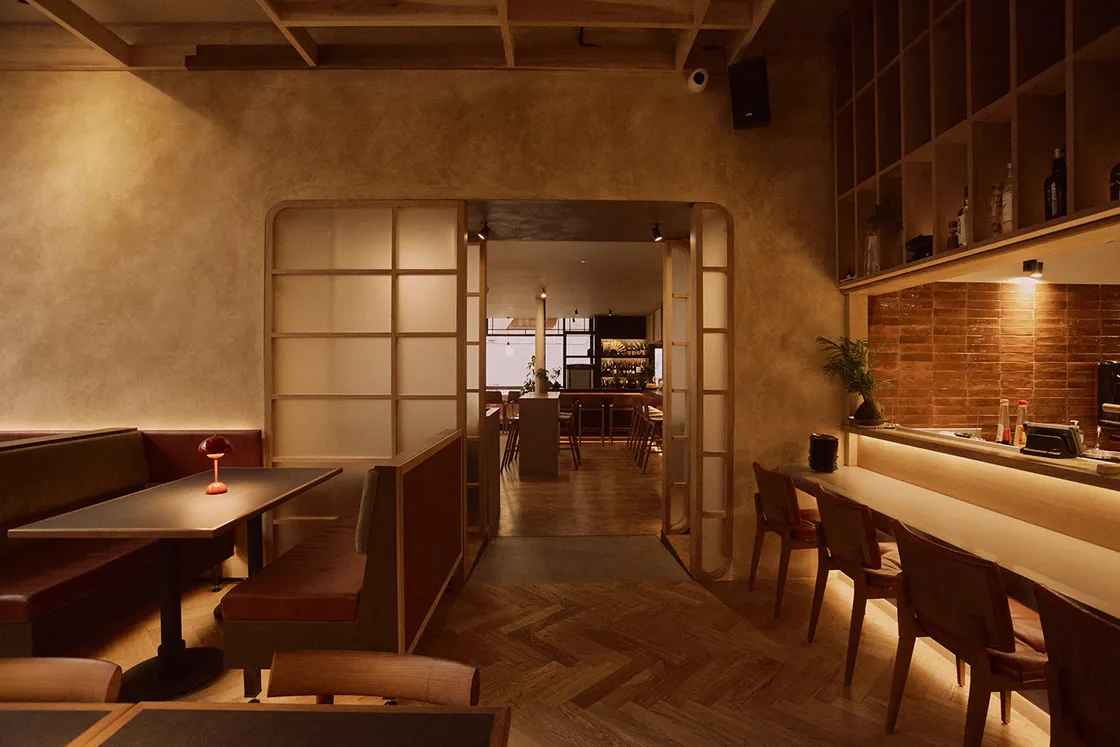
Client: Sam Jarrold
Architects: StudiO
Contractors: Wayne Barrett Carpentry and Joinery
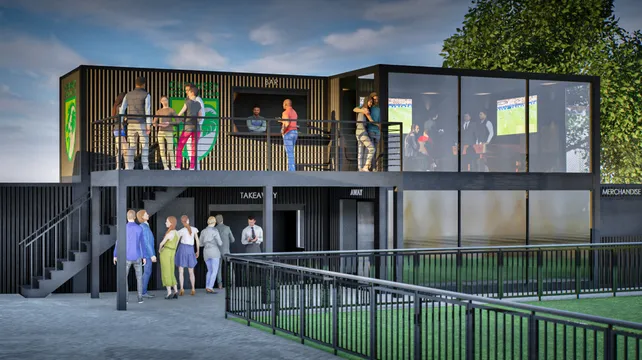
Victoria Park
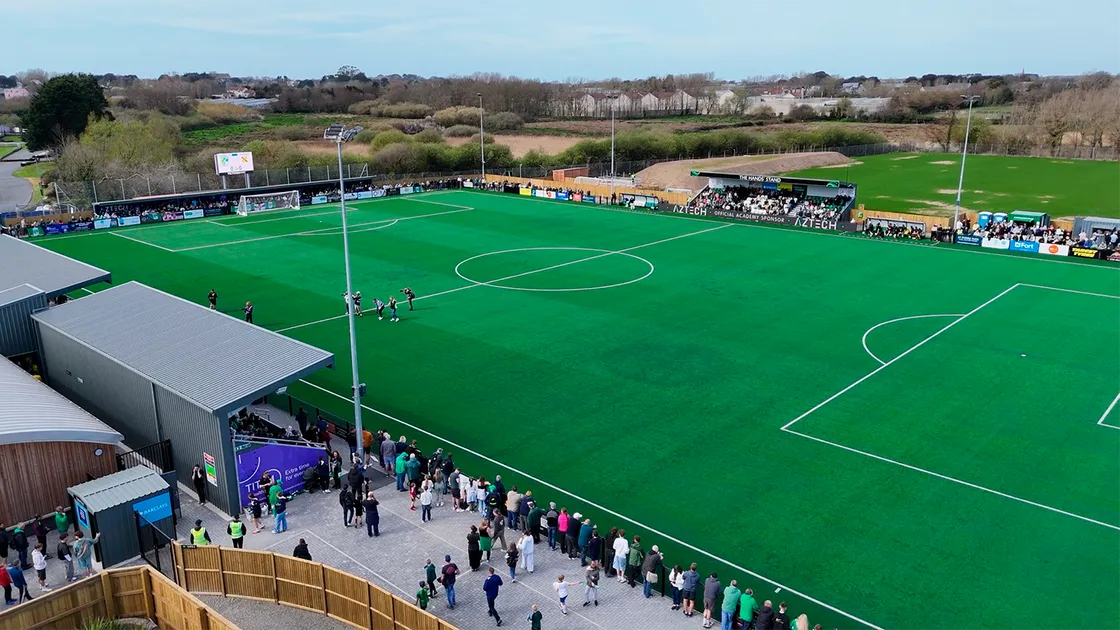
Client: Guernsey FA
Architects: Lovell Ozanne
Contractors: Rihoy and Son Ltd
Single residential new build
Makepeace House
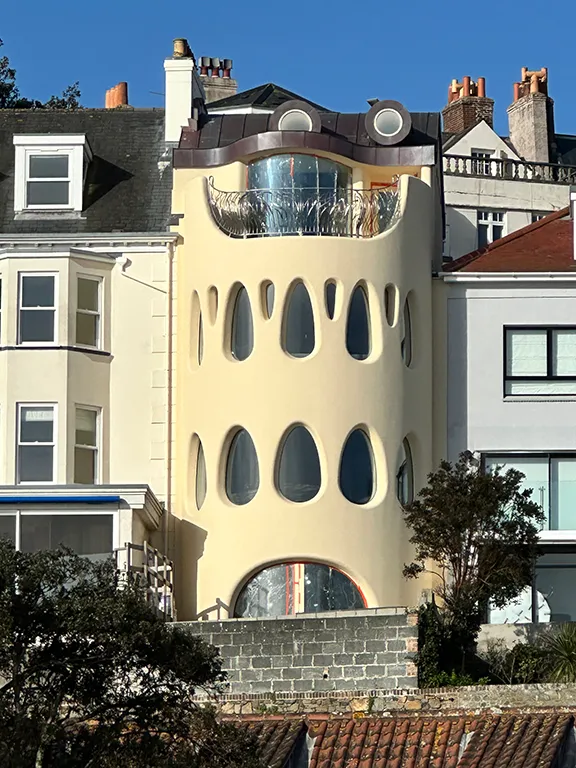
Client: Private
Architects: Lovell Ozanne
Contractors: Infinity Construction Ltd
Rocky Heights
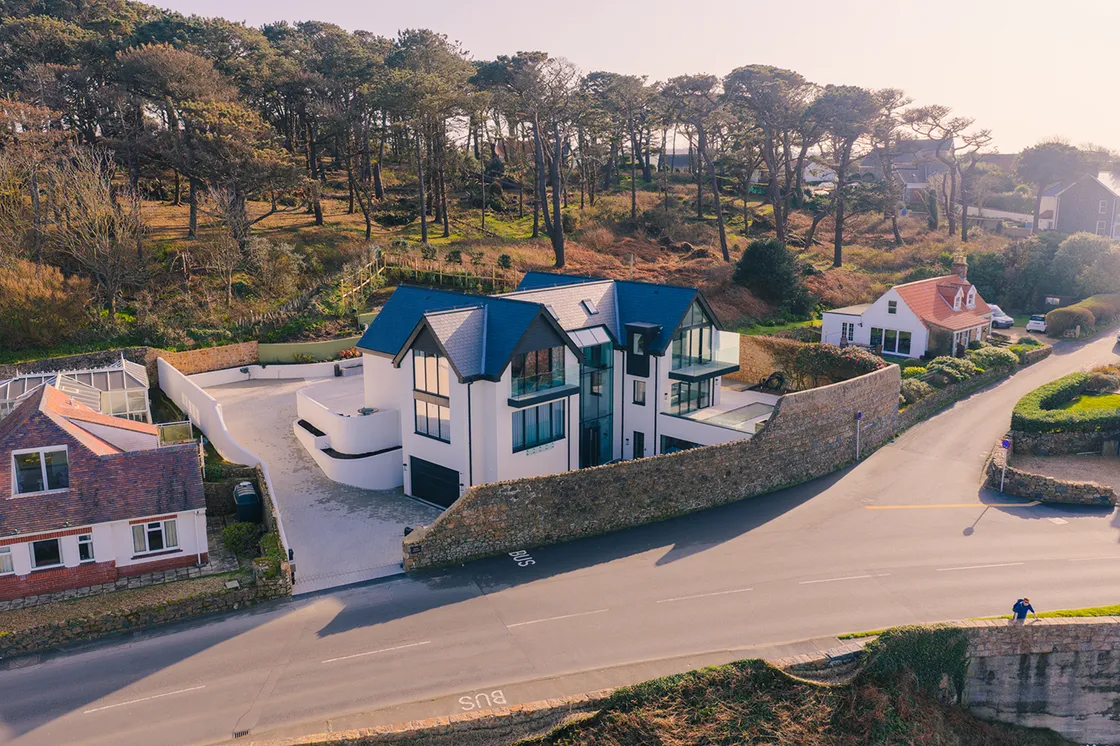
Client: Mr and Mrs C Helyar-Wilkinson
Architects: PF+A
Contractors: S Batiste Building Contractors
Sous Les Arbres
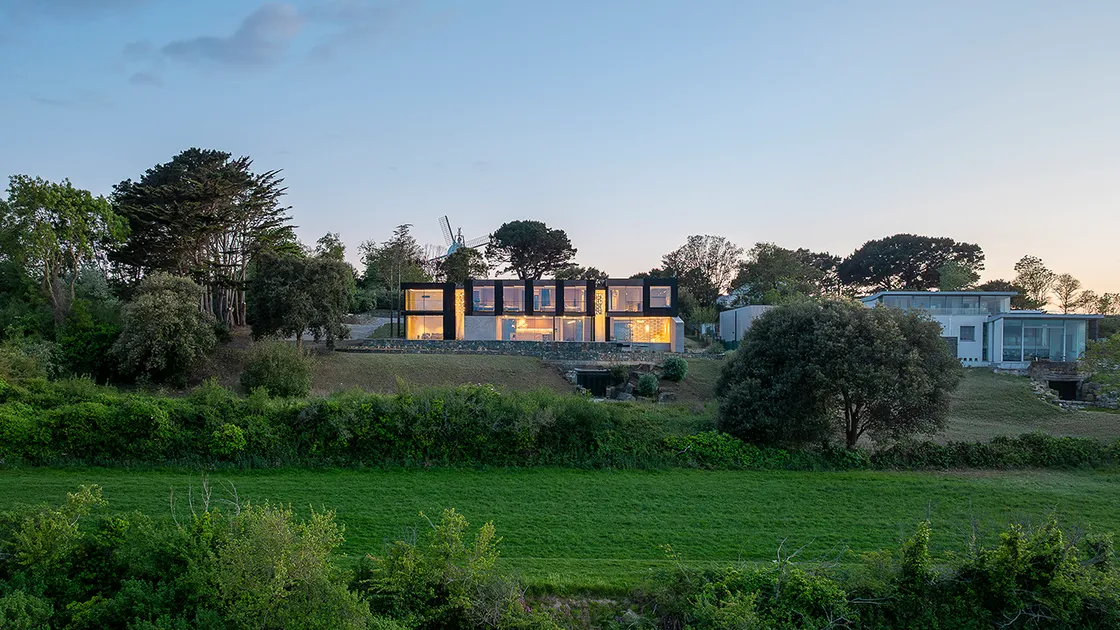
Client: Jasmine and Marc Cohen
Architects: DLM Architects
Contractors: Infinity Construction Ltd
Heritage
Le Cellier
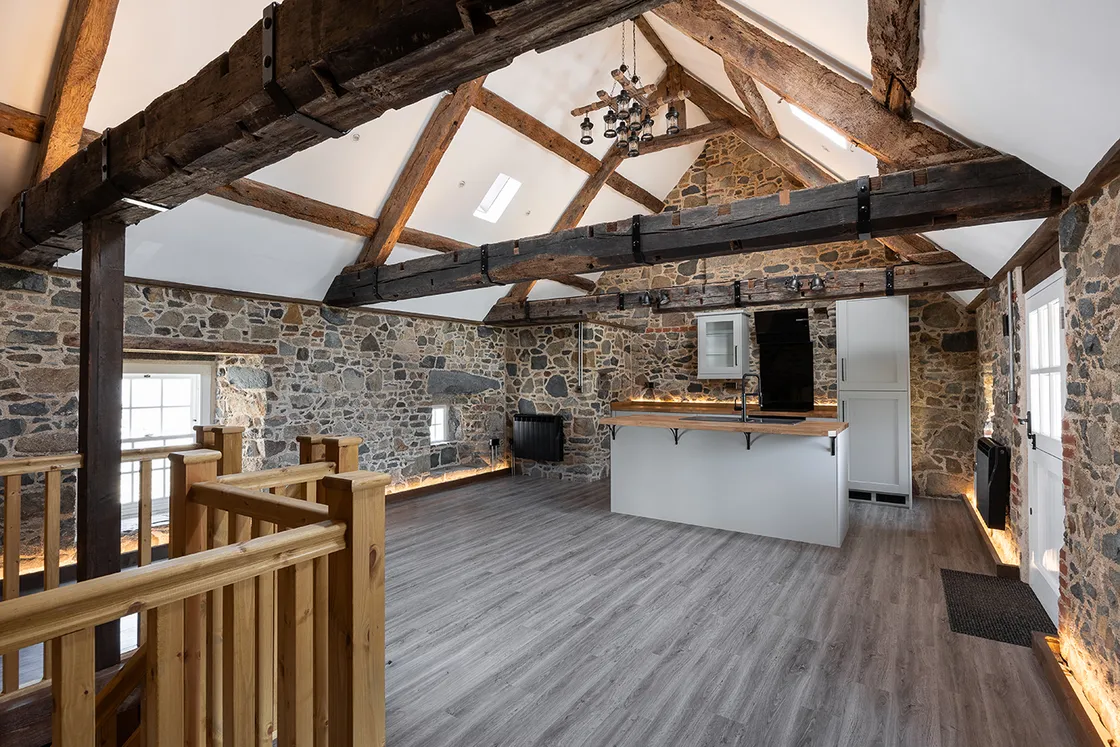
Client: Mr J Mitchell
Architects: A7 Architecture
Contractors: Mr J Mitchell
Shell House
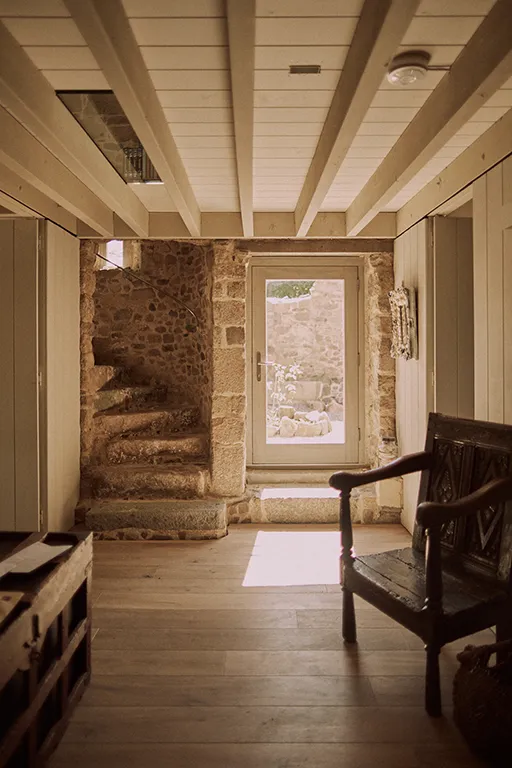
Client: Mr M Morgan
Architects: Jamie Falla for Studio Otto
Contractors: LG Construction
The Manor House
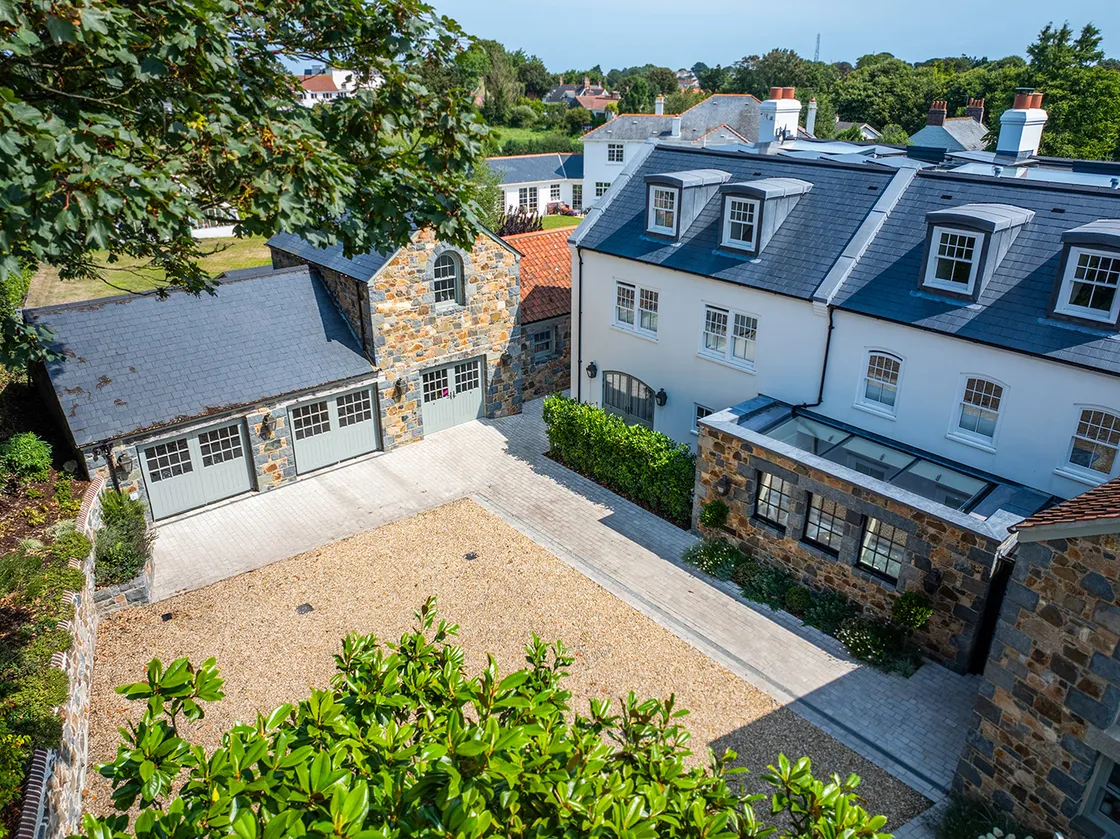
Client: Private
Architects: StudiO
Contractors: Breton
Single residential renovation/extension
Etoile Du Nord
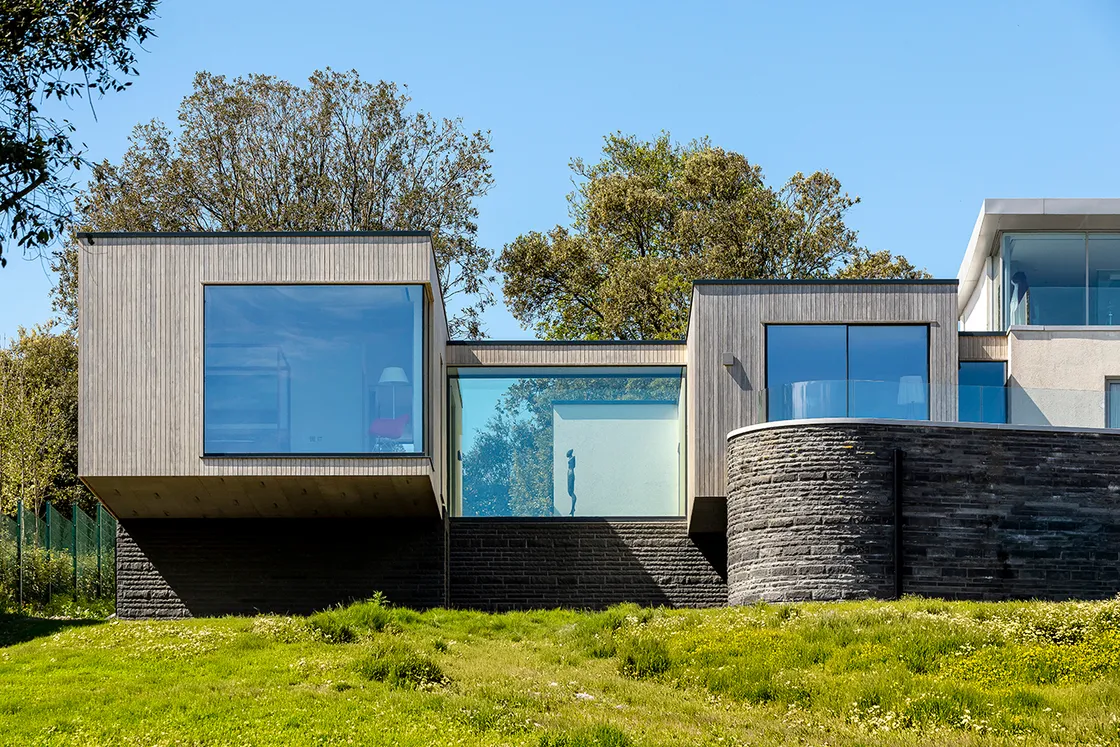
Client: Tom Gaudion and Sophie Brehaut
Architects: DLM Architects
Contractors: Black Swan
Lasmae
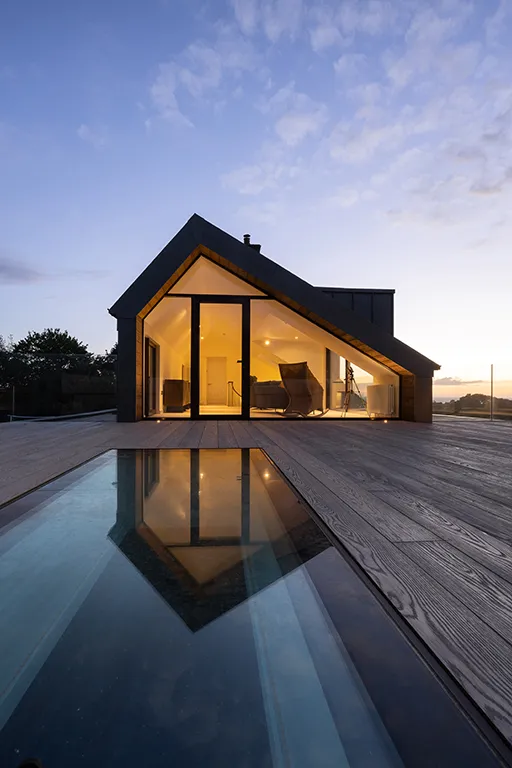
Client: Mr and Mrs M J Leonard
Architects: A7 Architecture
Contractors: Verdellis Construction Ltd
The West Coast Farmhouse
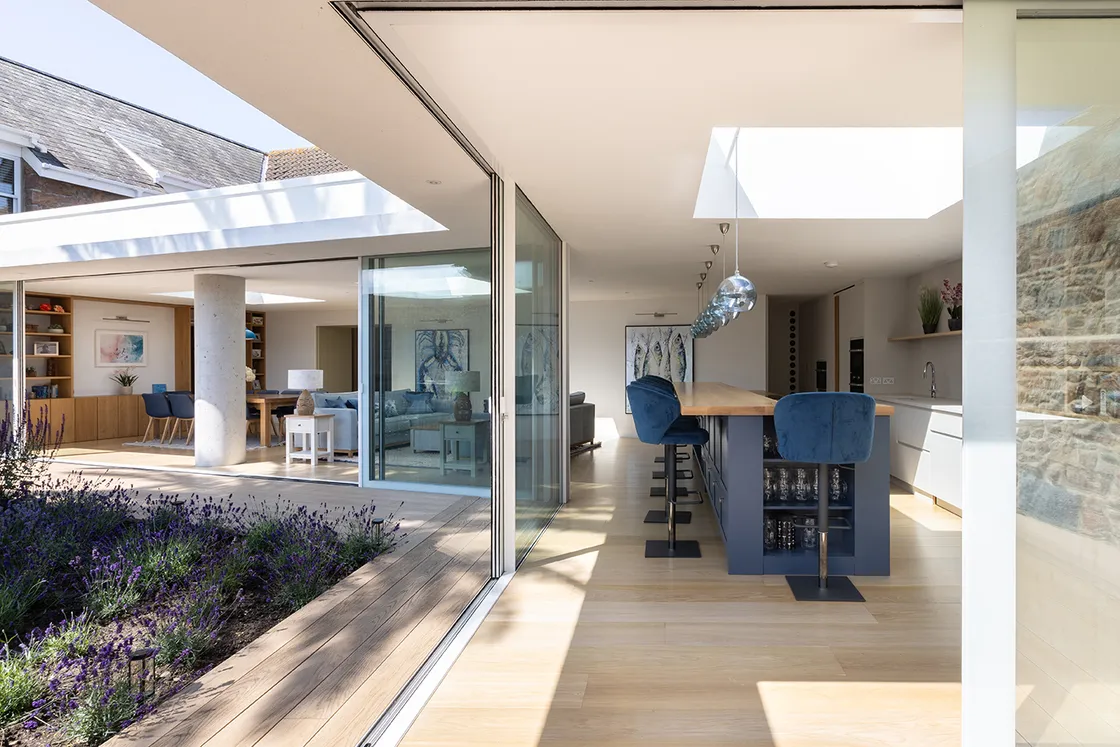
Client: Chris and Louise Gambrell
Architects: StudiO
Contractors: Breton
Multiple residential development
Allanson Court
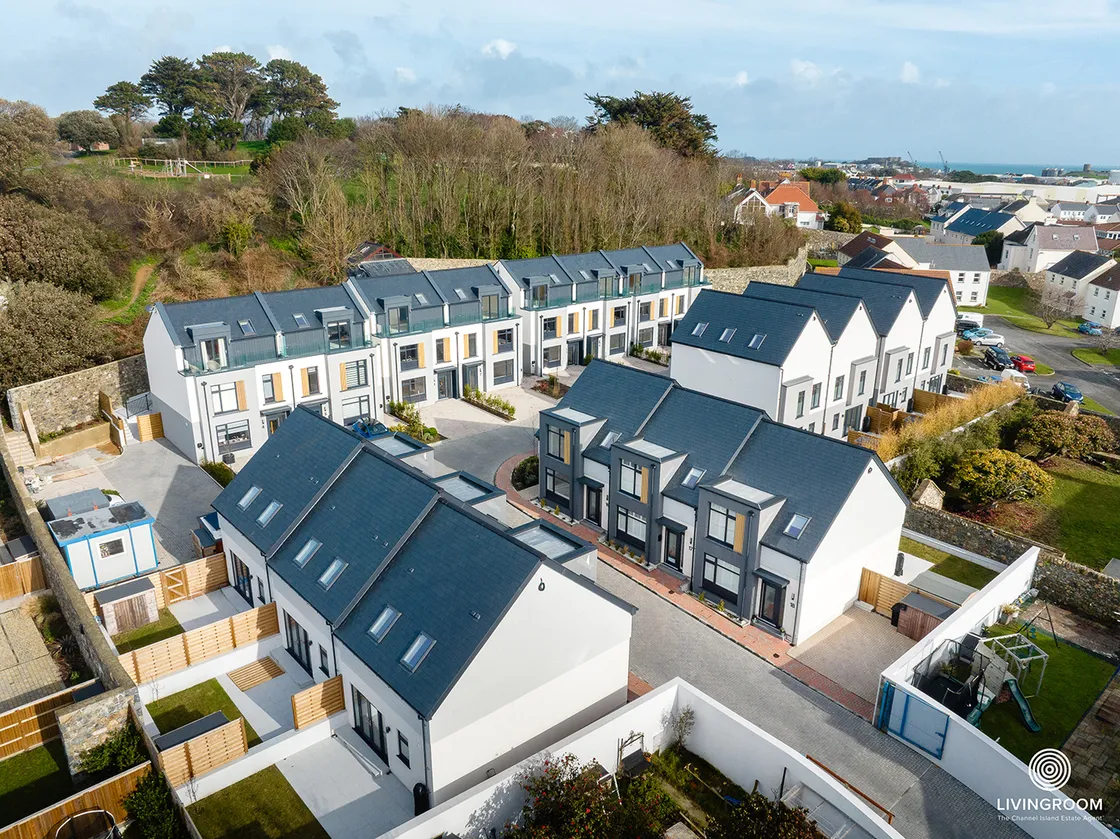
Client: Swallow Construction Ltd
Architects: Tyrell Dowinton Architects
Contractors: Swallow Construction Ltd
Grange Mews Development
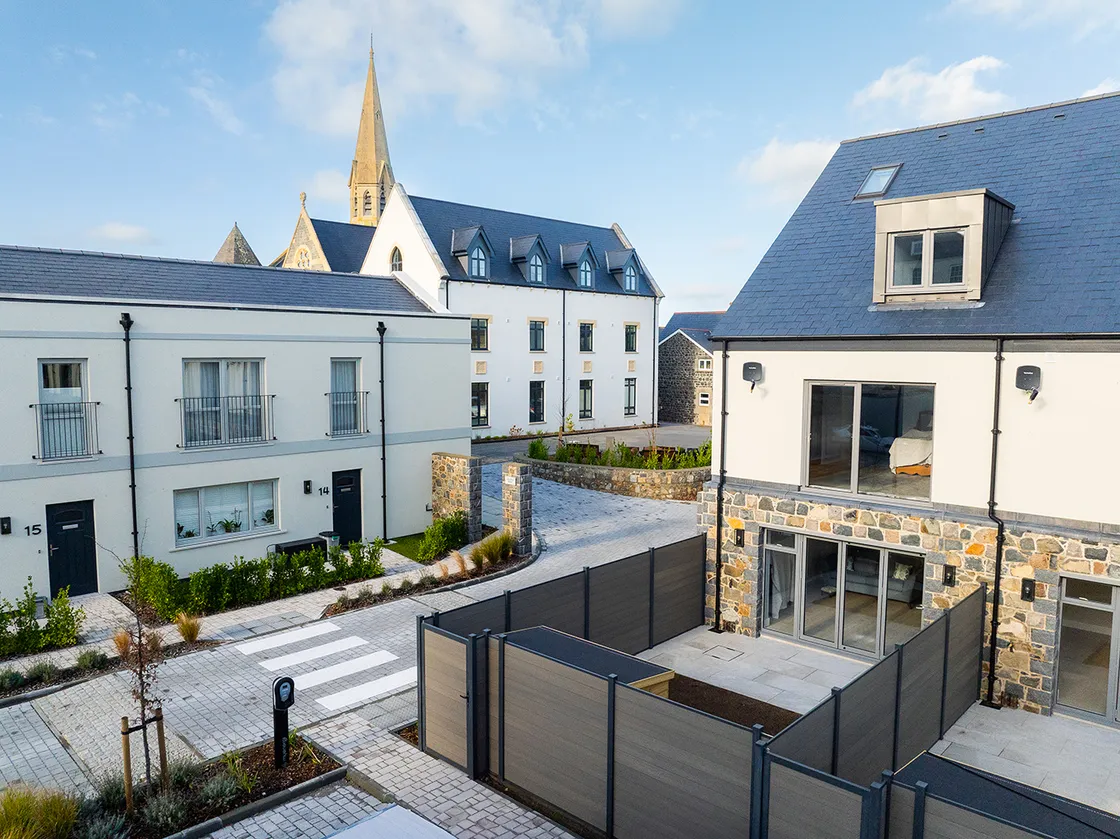
Client: Fuller Group & Inifinity Construction Ltd
Architects: Lovell Ozanne
Contractors: Inifinity Construction Ltd





You need to be logged in to comment.