

The island experienced its third temperature record-breaking month in a row, with all but two days in July recording temperatures above 20C.
An average temperature of 19.5C was recorded for last month – narrowly beating the previous record of 19.4C, set in 1983. Only three days of the month noted any recordable rain – 5.4mm equated to just 12.5% of the month’s average – making it the fifth-driest July on record but only the driest since 2022.
According to Guernsey Met Office’s monthly weather report, July was also the fourth sunniest since records began in 1894, and the second sunniest at the airport after 2018. The month peaked at 30.2C on Monday 6 July – the ninth time this year temperatures have exceeded 30C – as high pressure dominated for much of the month.
While the prolonged sunshine has been welcomed by many islanders, those working outdoors said the lack of rainfall has come at a cost.
Bernie Goncalves, of Bernie’s Gardening Services, said he has never experienced such prolonged, dry conditions.
‘I’ve been a gardener here for 30 years and I’ve never seen anything like it,’ he said.
‘OK, we have hot weather for a week or so, but after that we normally get a couple of days of wetter weather. The consequences of this time are already starting to show, but soon it’s going to be even worse. It’s going to be a nightmare. A lot of the grass is not going to recover. We have some clients with boreholes in their gardens, which are completely dry now.’
Although his business remains busy, the conditions have forced changes to the way some gardens are maintained.
‘Some of the gardens we look after we have had to reduce the maintenance because there isn’t really enough to do,’ said Mr Goncalves.
‘We still have hedges to cut, but we’ve had to cut the hours on some jobs.’
He said gardens and green spaces were in desperate need of sustained rainfall, rather than heavy downpours later in the year.
‘I’m pretty sure we’ll go from very dry to very wet and cold very quickly in October,’ he said.
‘And that’s what worries me, because then it’s a bigger problem. What we need is a few days of good rain before then.’
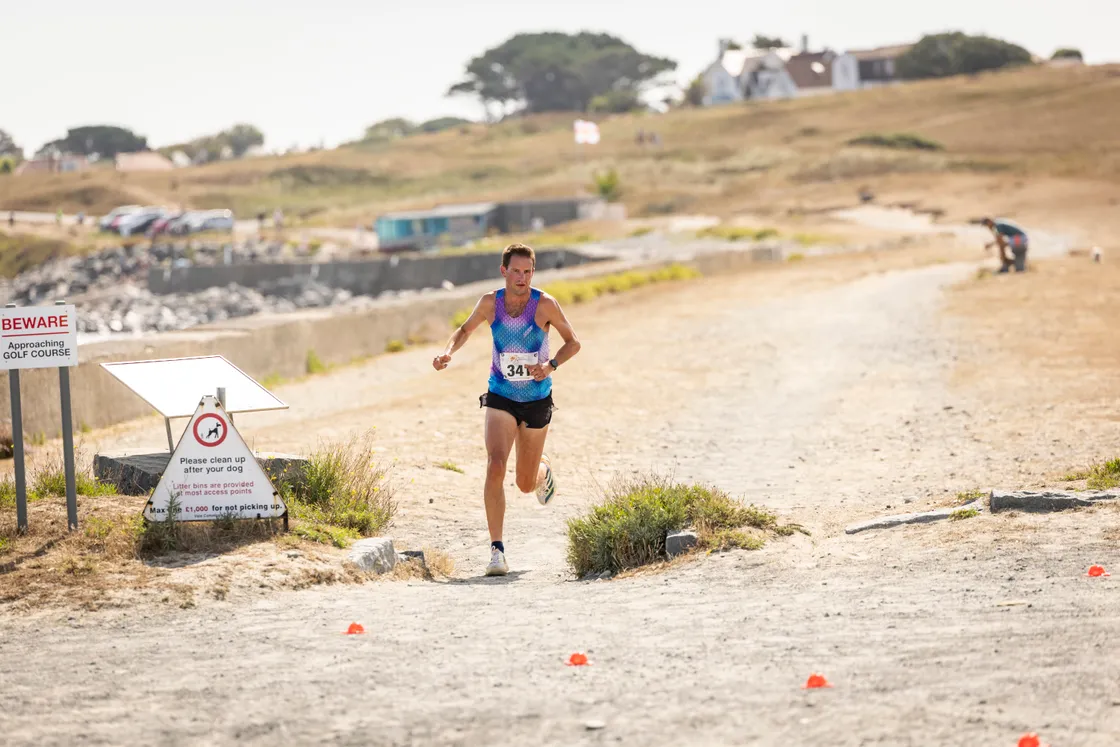
States Works has had to alter its working practices during this spell of weather.
Land management manager Richard Langmead said the sunshine had made a ‘noticeable impact’.
‘While the reduced grass growth has meant less mowing is required, we have been spending significantly more time watering plants, shrubs and trees, including many well-established shrubs and trees that would not normally need it,’ he said.
‘Our water tanker has been operating extended hours to keep bedding borders and hanging baskets sufficiently watered, and to protect floral displays across the island.
‘We have also delayed some planned planting until later in the year, in the hope that rainfall will improve ground conditions and allow the water table to recover. However, given the prolonged dry spell, it is going to take a considerable amount of rainfall before the soil conditions recover fully.’
The wettest day of the month came on 16 July, when three hours of steady showers totalled 4.7mm of rainfall – the most significant amount of rainfall recorded in six weeks. A further 0.3mm fell later in the month, but overall rainfall remained exceptionally low.
At the end of the month, the UK’s Environment Agency announced that half of England, including the south-west, was officially in drought. But local meteorologists said that the island was not.
‘There is no single definition of drought, but in meteorological terms we are not officially in [absolute] drought conditions, which can be considered as 15 consecutive days with daily rainfall not exceeding 0.2mm,’ said Guernsey’s senior meteorological officer, Adam Heaume.
He said there were three days in July – 13, 16 and 25 – where at least that amount of rainfall had been recorded at the airport.
‘That said, we are experiencing an exceptionally long spell of dry weather, stretching back to March, and this is undoubtedly a concern for agriculture. Each of the previous four months [March to June] all recorded lower monthly totals when compared to the long term averages and it is only the extremely wet start to the year that means we are currently almost exactly in line with the long-term average for the year to date.’
Despite a slightly cooler second half of the month, July still ended as the warmest on record by just 0.1C. There were two days with 15 hours straight of sunshine, and another 16 where more than half the day was kissed by sunshine. In all there were 339.2 hours of sun compared to an average of 253.3.
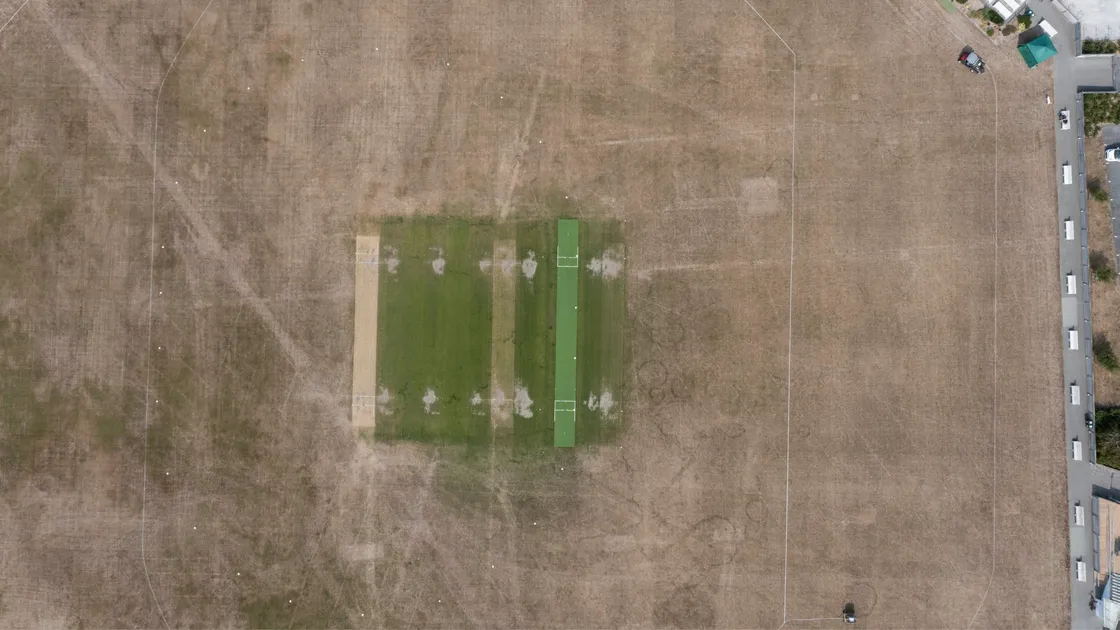
KGV’s head groundsman and former Island cricket captain, Stuart Le Prevost said the weather had been ideal for cricket – but detrimental to his no-longer green playing fields.
His outlook remains positive.
‘We’ve got a borehole in the cricket square, so thankfully we can keep that irrigated,’ he said.
‘But the rest of the outfield we’ve had to sort of let go. The grass has slowed down growing – we don’t have to cut as often, so we’re spending a lot more time watering.
‘It’s unfortunate that weeds don’t seem to mind the dry weather. But overall, it is what it is – grass is pretty resilient, I’m hoping it will come back ok. And it’s good that we’ve got no weather restrictions for games.’
The MetOffice report for July noted an unusual, ‘brassy’-looking sky on 21 July, which it said was due to smoke from Canadian wildfires brought over on the jetstream and dropping down over the UK into Central Europe.
‘As a result we probably lost an hour or so of recorded sunshine that day such was the density of those smoke particles,’ it said.


You need to be logged in to comment.