

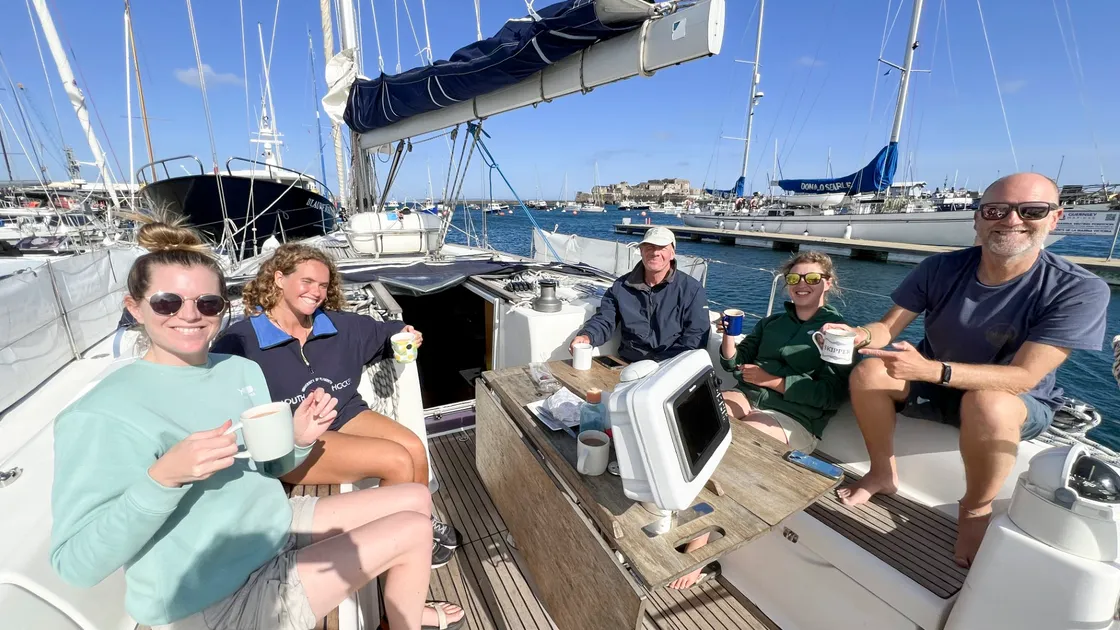
Bottlenose dolphins were sighted every day during a 10-day marine survey around the Channel Islands. Among a crew of seven scientists and conservationists on board, PhD researcher Becky Dudley said the local waters are one of the species’ strongest habitats in the region.
‘We’ve had some phenomenal sightings,’ she said.
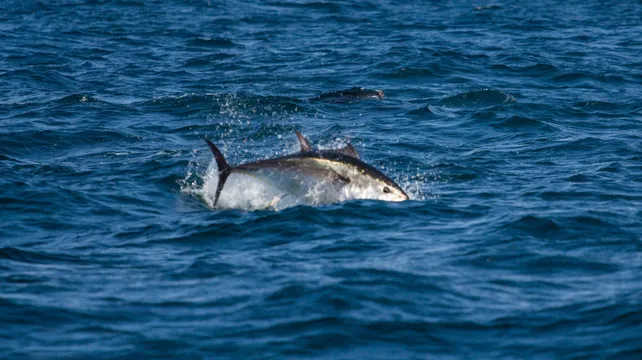
‘We’ve also seen common dolphins, harbour porpoises, sunfish and breaching tuna, and there have been calves among some of the bottlenose dolphin groups, which is a really positive sign for the population. No whale sightings yet, but we did see a minke whale north of Guernsey last year. They’re only about eight to 10 metres, they’re quite rare in the channel, but we do get them.’
The scientists come from the University of Plymouth and returned to local waters, having joined forces with La Societe Guernesiaise, Guernsey Ports and the Nature Commission last year. It was their second survey around local waters.
Over their 10-day visit they circumnavigated every Bailiwick island, recording marine mammals and gathering data to build a clearer picture of the surrounding populations that can be compared to those in UK waters.
The survey is part of La Societe’s DolFin project which was set up in 2019, and benefitted from grants from the Strategy for Nature Fund in 2024.
‘Guernsey’s waters support rich and varied biodiversity, but much of our understanding relies very heavily on citizen science and volunteering initiatives,’ said Nicky Harris, marine biology section secretary at La Societe.
‘There’s so much potential with this collaboration to connect all of the islands to a unified cause, getting individual islands’ research to go further. It’s hopefully going to have so many knock-on benefits for our islands, for marine management and for the long-term health of species in our waters.’
Ms Dudley estimated there are hundreds of the species of dolphin within the Gulf of St Malo, compared to a much smaller population of about 50 animals ranging along the south coast of England. Using photos of the dolphins’ distinctive dorsal fins – each as unique as a fingerprint – the team will compare this year’s sightings with those recorded last year, to see if the same animals are returning to the islands.
The crew also used a towed hydrophone to record underwater sounds, detecting any missed sightings, and noting human-generated noise.
‘It goes about 100 metres back from the boat recording all the natural whistles and clicks from the ocean,’ said Ms Dudley.
‘Snapping shrimp are really loud. But it also allows gives a good indicator of boat traffic, and how much human noise there is in the marine environment.’
While gathering their data, the survey team will consider how local vessels could help with future marine mammal monitoring around the island.

You need to be logged in to comment.