
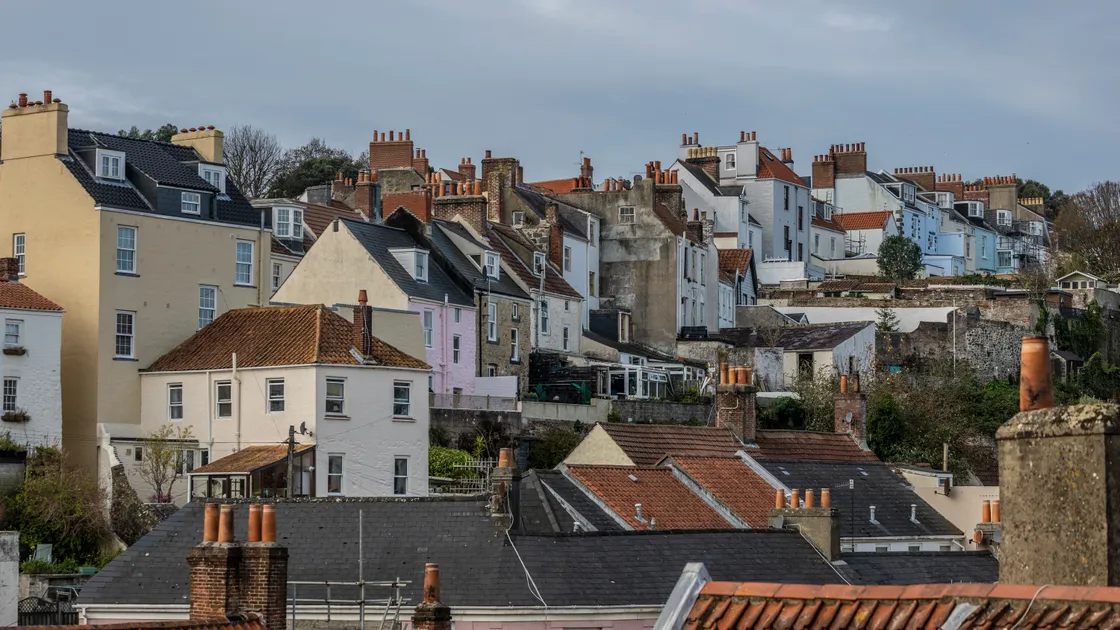
The mix-adjusted average purchase price reached £613,694 between July and September, according to the latest States residential property prices bulletin, published today.
That was 0.8% up on the previous three months and 3.6% higher than a year earlier. It is the highest quarterly average since the third quarter of 2023, though the annual rise was still below the rate of inflation as measured by the Retail Prices Index.
There were 199 local market sales in the quarter, 62 fewer than in the previous three months and 10 fewer than a year earlier. Five years ago, 285 sales were recorded in the third quarter.
The four-quarter rolling average time between a home being advertised and its sale was 268 days, compared with 265 days a year ago and 168 days in 2021.
‘Activity in the local market has been a little more measured, but still stable,’ said Savills Guernsey head of residential sales James Starkey.
‘The fall in the number of sales in the three months to September is not unexpected as it coincides with the quieter summer holidays, and year on year the figures are broadly similar.’
The busiest price band was £500,000 to £699,999, with 62 sales, while 34 homes sold for £900,000 or more. The median loan was 76% of the purchase price, and 3.5% of homes sold had been built in the previous 12 months.
Rents dipped for a second successive quarter. The mix-adjusted average was £2,134 a month, 0.2% lower than the previous quarter.
That was 1.1% higher than a year earlier, the smallest annual rise in the five years of figures in the bulletin and below inflation, though rents remain 33.5% higher than five years ago.
‘Well-presented homes remain highly sought after and are attracting significant interest from prospective tenants – particularly among relocating professionals and families,’ said Emily Rowe, of the Savills lettings and property management team.
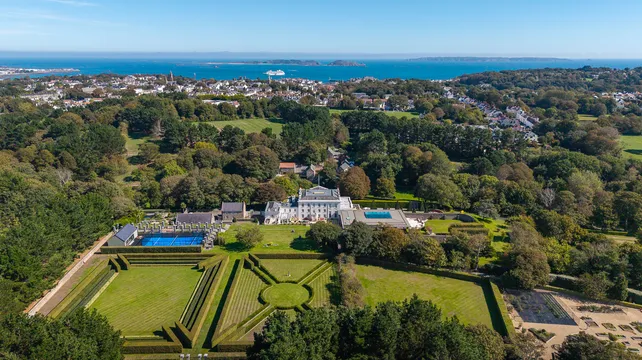
On the open market, there were 28 sales, six more than in the same quarter last year. The median price fell to £1,455,188, from £1,852,500 a year earlier, and the four-quarter average dropped by 7.6%.
The bulletin warns that open market prices fluctuate more than local market prices because of the wide range of property types and the small number of sales.
Mr Starkey said open market demand had been driven largely by buyers influenced by the UK’s autumn budget, and that more sales had now been completed this year than in the whole of 2025.
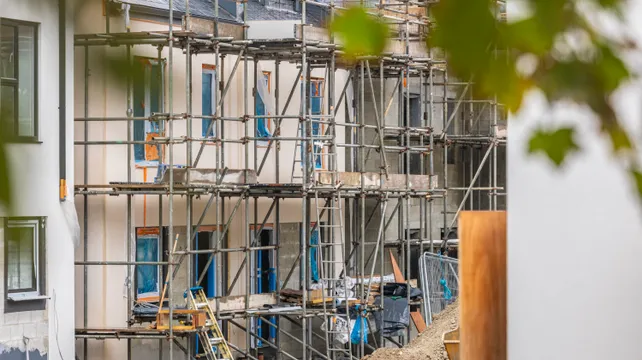
Meanwhile, 24 domestic property units were created during the quarter and 10 removed, a net gain of 14. In the year to September, the island’s housing stock grew by a net 106 units.



You need to be logged in to comment.