
All it took was a hop, step and a jump and I was on my way.
It’s 2001 and I’m in the Isle of Man performing the triple jump on a puddle-pocked patch of tarmac behind a small temporary stand. Seated on said stand are members of Guernsey’s Island Games athletics team – including my older sister – cheering on their teammates as they each take their turn to execute performances months – even years – in the making.
I had been up in the stands keenly watching proceedings moments before but being a restless 11-year-old, I had decided that I wasn’t content with simply watching the action. I was going to start my journey to a future Games appearance right there and then.
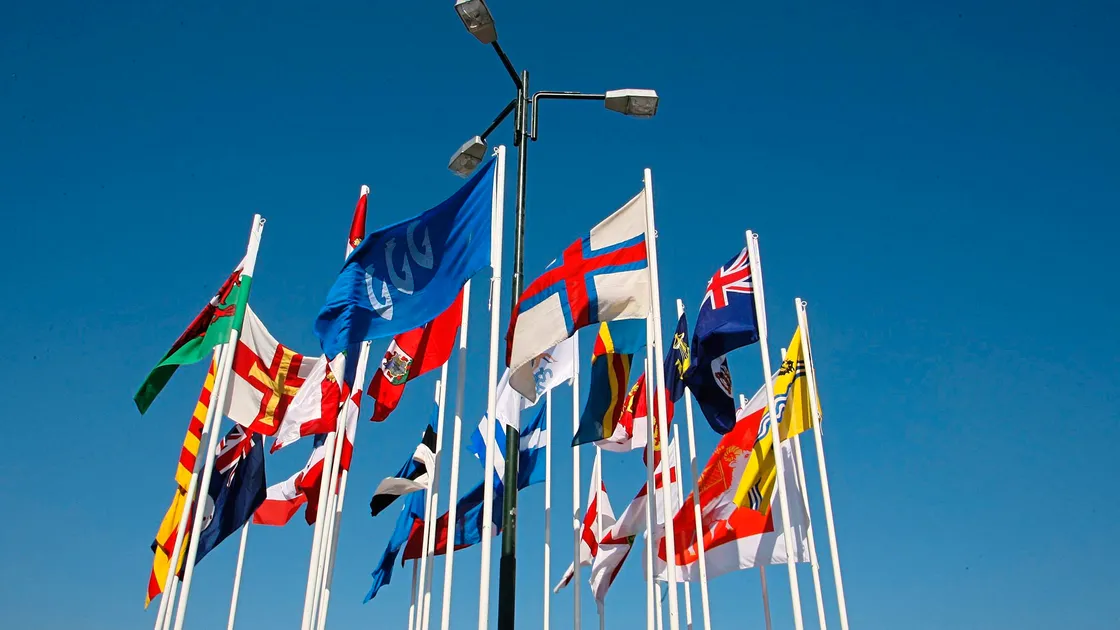
I may have cut a curious sight as I practised and, in my mind, ultimately mastered my three-phase jumps (a la Jonathan Edwards) that day, but upon reflection I now realise that that was the moment I became truly endeared with the inter-island sporting jamboree; a biennial competition that brings islanders from currently 24 member islands – from Scandinavia, Mediterranean, Caribbean, even little old Sark – together in a week-long celebration of sporting competition and goodwill.
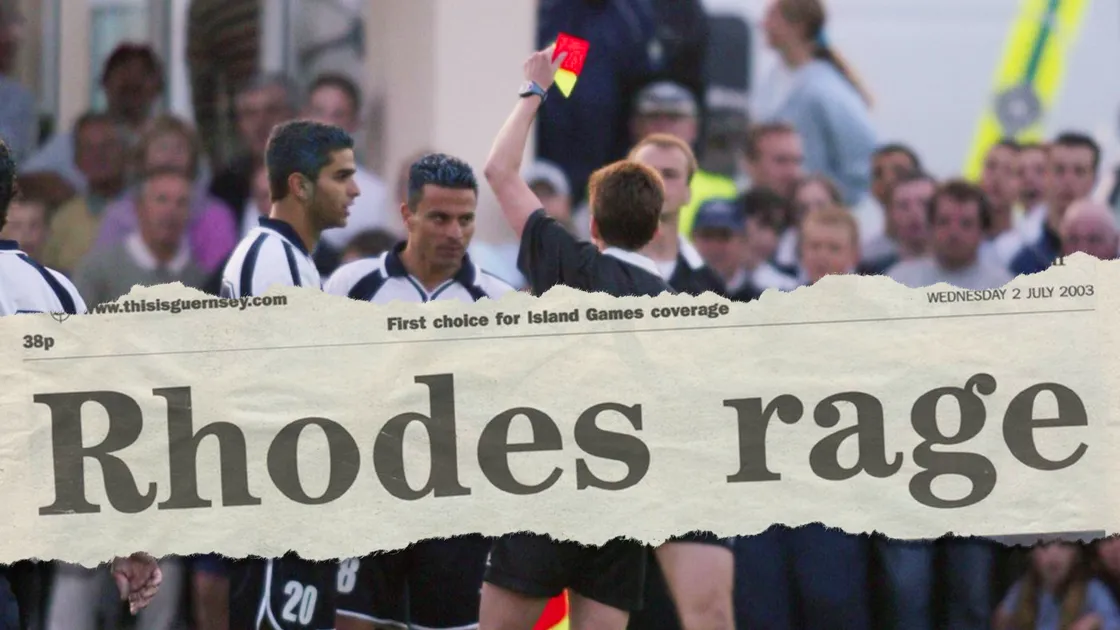
People don’t call it the Friendly Games for nothing – perhaps aside from the infamous ‘Rhodes rage’ incident of 2003 when the Greek islanders’ game against hosts Guernsey was abandoned due to their appalling conduct at the Corbet Field. But what was an embarrassing aberration for the Games community made for a memorable front-page headline for this newspaper.
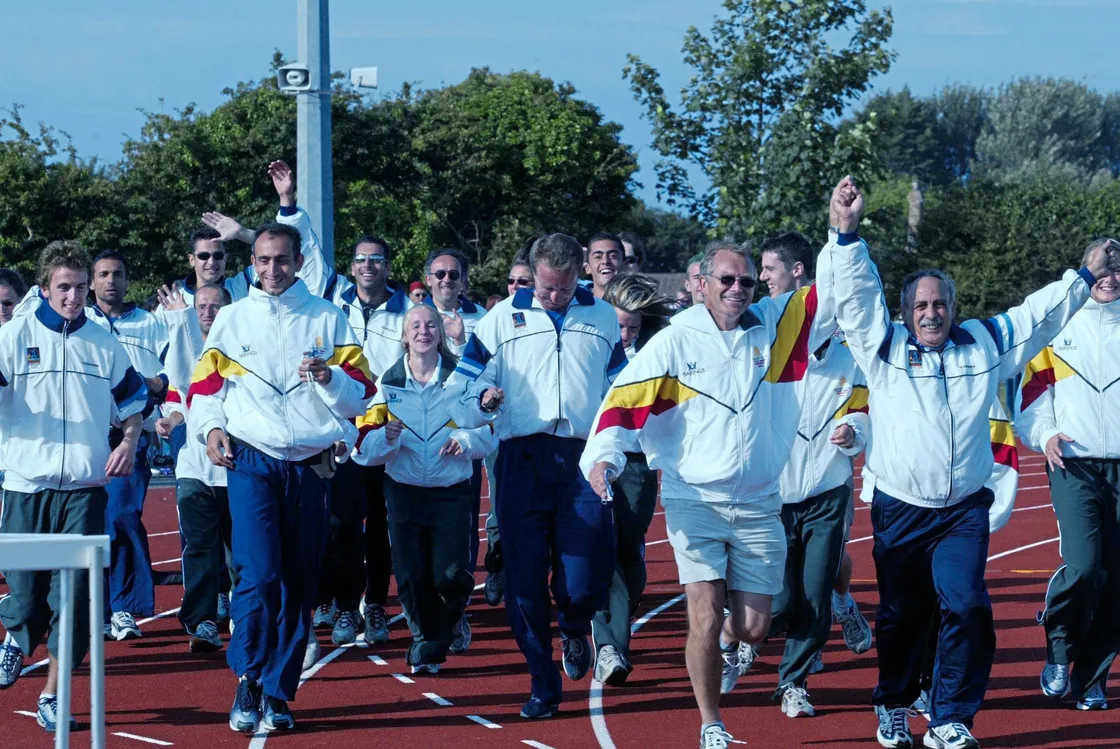
The following day the small Rhodes athletics squad, perhaps somewhat embarrassed by their unruly fellow islanders, extended a figurative olive branch and took to the Footes Lane track to jog down the home straight together with Sarnian athletes, some hand in hand, in a sign of sporting unity. The feeling of goodwill in the Games community had been restored, on the athletics track at least.
As I hit my teens, participating in a Games became something to truly aspire to and, crucially, a realistic possibility if I applied myself and put in the required training. I wanted to be part of a team but also realise individual ambitions, experience the camaraderie between teammates and share in the highs and lows of representing your island and pitting oneself against good competition.
By the time Guernsey 2003 came round I was inching my way closer to the action. A few of my athletics clubmates and I were wrangled like recalcitrant cattle into helping with the medal ceremonies, alternating between striding onto the Footes Lane infield with medals that three lucky athletes would be christened with by dignitaries, and fastening and raising the flags of their respective islands while an anthem droned on the stand’s PA system.
It all went by largely without a hitch – we quickly learned the optimum speeds in which to have each island’s flag reach the top of the pole as the anthem neared its conclusion – but were admonished by a Gotland official who witnessed one of us commit the ultimate sin of letting the island’s flag touch the ground before it was raised. It brings bad luck, apparently.
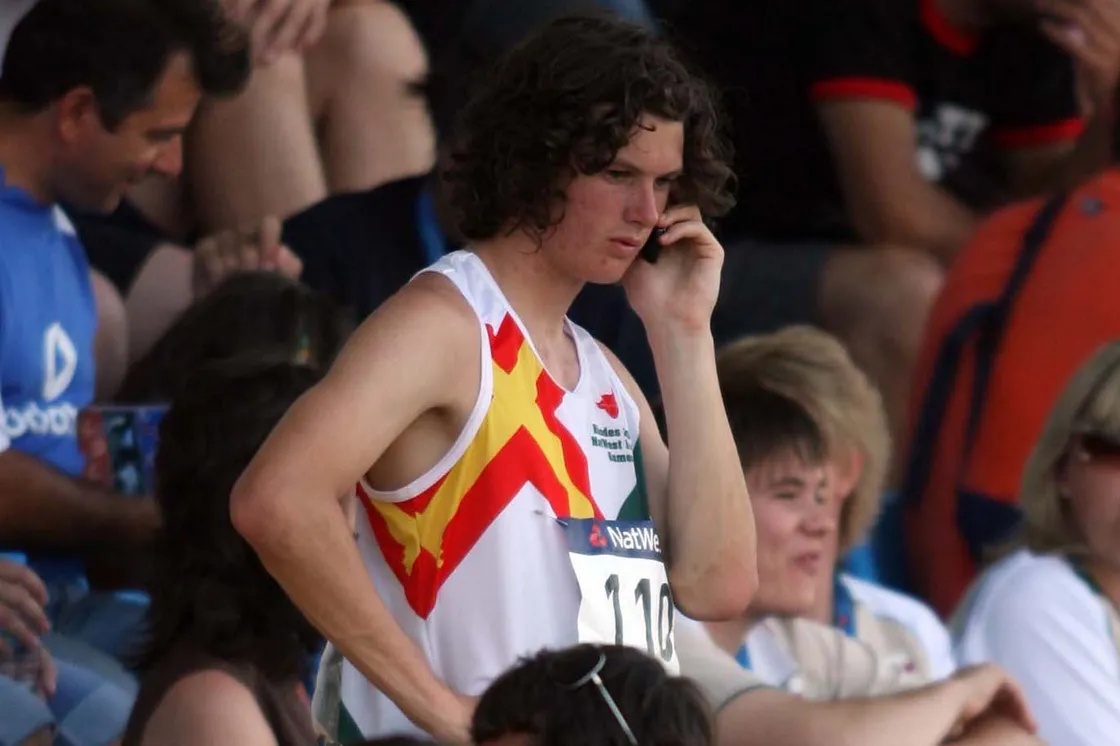
It wasn’t until four years later that I finally made my Games debut in earnest in the scorching heat of Rhodes in July. By then that fresh-faced but shy boy had turned into a not-so-fresh-faced-but-still-shy teenager, sporting long, curly hair and acne. I had qualified for Guernsey’s squad in the 400m hurdles, almost by dint of the fact that nobody else liked competing in the notoriously difficult ‘man killer’ event.
It was time to kick off my Games career proper. But there was the little matter of getting to the place and as anyone who has travelled as part of Team Guernsey in the past will tell you, it’s not always the most direct route that is taken to the host island. The logistics of getting teams of athletes to and from islands, with varying connectivity issues and travel distances, is surely a head-scratching chore at times for team officials and organisers.
The itinerary for Rhodes involved a ferry trip to France before a long coach journey and finally catching a flight to the Greek island, arriving at around midnight. However, teams from other, much more remote islands go to great lengths to have the privilege to represent their island. St Helena is about as remote a place as it gets – there is a reason that troublesome Napoleon was banished there to see out his days – and the willingness of its sportsmen and women and officials to undertake this logistical nightmare every two years should be commended.
This month a small but determined St Helena team, made up of four athletes competing across athletics, squash and swimming, plus officials, have made the roughly 5,000-mile journey to Orkney. With varying routes and travel times, some journeys would have taken up to four days or more. In total, most team members will be away from the island for three to four weeks. Falkland competitors and officials are in the same boat when it comes to travel – perennially drawing the short straw in the travel stakes.
Back to 2007 and after an underwhelming performance in the qualifying heats (who knew that spending hours sunning yourself beside the hotel swimming pool and forgoing liquids doesn’t lead to optimal sporting performance?), I managed to recover sufficiently to run a personal best time and place fourth in the final. That position would become synonymous with my Games career. I managed to notch up four fourth places in four different events – 400m hurdles, 800m, 1,500m and 4x400m relay – across three Games (I competed in a fourth Games in Jersey 2015 but that ended in injury, ruining the chance to continue my perfect run of fourth spots).
However, to experience a Games – as the first timers in Orkney this week will find out – is much more than pure competition and medals, it’s also about the camaraderie and traditions unique to the event. The swapping of badges with athletes from other islands has almost become an event itself. Many competitors, especially the youngsters, have taken up the challenge to try and collect every island’s badge before the end of the week-long event. I failed miserably at this pursuit and still have bags full of Team Guernsey badges at the bottom of a drawer to this day, along with particularly unfashionable team kit that will never be worn again post-Games.
Over the course of participating in four Games, I’ve witnessed athletes be overjoyed having won unexpected medals and the distress and frustration of others failing to secure silverware that had been seemingly preordained but snatched away at the last moment. Sport is delightfully unpredictable; upsets occur, muscles are torn, and relay batons are dropped.
Even though an Island Games is very much the arena for the amateur, the excitement and drama of some events can almost match the professional ranks at times, especially if the Games are well supported by bumper crowds such as in Guernsey 2023.
The scale of the competition has evolved since its early years. The inaugural edition in the Isle of Man in 1985 wasn’t even called the Island Games, but the Inter-Island Games as part of the island’s International Year of Sport. That summer sportsmen and sportswomen from 14 islands – Aland, Anglesey, the Faroes, Froya, Gotland, Guernsey, Hitra, Iceland, Jersey, Malta, the Orkney Islands, the Shetland Islands, St Helena and the Isle of Wight – participated in seven sports: badminton, athletics, cycling, shooting, swimming, soccer and volleyball.
The ‘festival’ was such a success that at its conclusion the Island Games Association was instituted and the decision was taken to hold an Island Games every two years in different member islands.
Forty years on from its creation and by the end of this week 20 editions under its belt, what does the future hold for the Island Games? Its biggest hurdle to overcome, and one that is shared by its much larger multi-sport cousin the Commonwealth Games, is that the competition has grown greatly over the years and has become a victim of its own success in that only a few member islands are capable of hosting a full-scale, bells-and-whistles edition.
We’re spoiled for sports facilities in Guernsey and two years ago the Games reached its zenith; excellent facilities, good-sized crowds, government backing etc – it was undoubtedly a great success.
However, a Games of that magnitude every two years is clearly unsustainable. Guernsey’s squad for the scaled-down Orkney edition is half the size of the one that topped the medals table at home two years ago. The ‘big hitters’ like Guernsey, Jersey and Aland cannot carry all the weight.
Guernsey Island Games Association chairman Jon Marley told the Press last year that he sees the next few Games as a step back towards ‘grassroots’ type events.
‘For the Island Games to continue, these types of Games are going to have to become more prevalent,’ he said. ‘You can’t have Guernsey, Jersey and Gotland and Aland expected to step up every eight years, effectively. There has to be other islands stepping into that, and thankfully we know certainly Faroes will be coming up in ‘27 and Isle of Man in ‘29.’
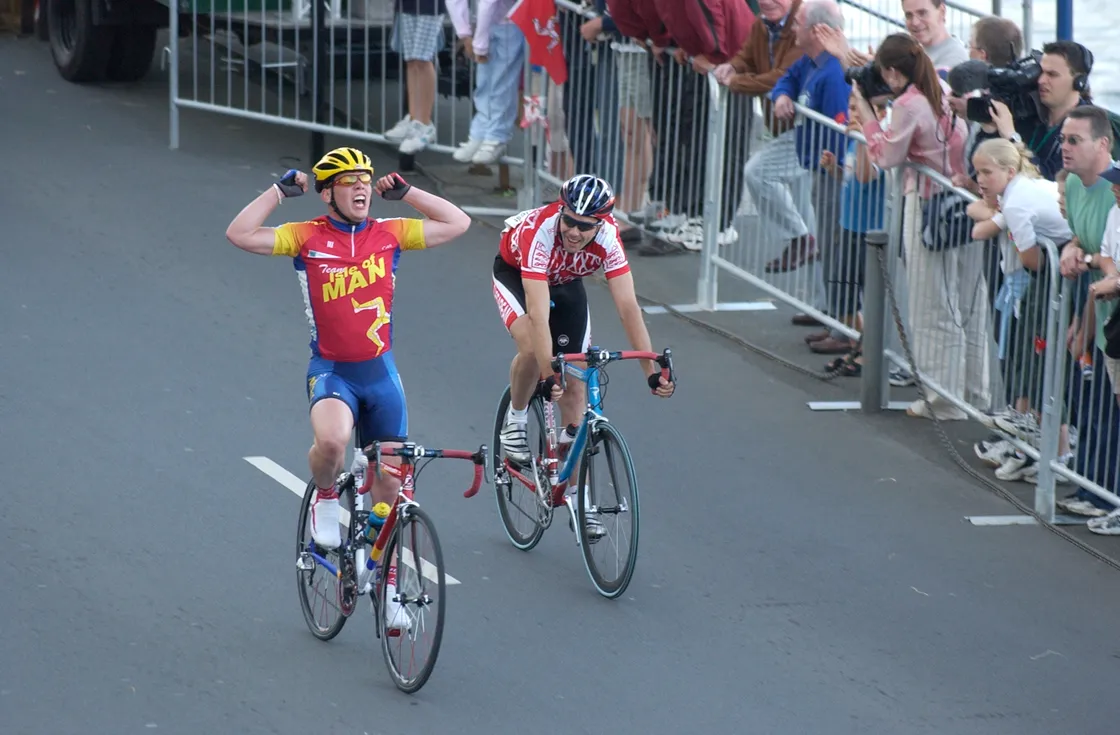
Although the standard of competition varies greatly from sport to sport and edition to edition, the Island Games has and will continue to be a launching pad for world-class athletes. Before he conquered professional cycling and the Tour de France, Mark Cavendish won a gold medal at Guernsey 2003 as a teenager. Olympic heptathlon bronze medallist Kelly Sotherton cut her teeth on the track in Jersey 1997 and Gotland 1999. Guernsey has seen the likes of Lee Merrien, Dale Garland and, more recently, Alastair Chalmers graduate from the Island Games to the Olympic Games and other major championships.
You never know, there might even be some future Olympians starting their journey during this week in Orkney.
Go Team Guernsey!




You need to be logged in to comment.